
Major U.S. airlines are cautioning that a potential federal government shutdown could cause significant disruptions to air travel, including flight delays and slower service. The primary concern is that essential aviation personnel, such as air traffic controllers and Transportation Security Administration (TSA) officers, would be required to work without pay, potentially straining the national aviation system.
Key Takeaways
- A government shutdown would force air traffic controllers and approximately 50,000 TSA officers to work without receiving their paychecks.
- Airlines for America warns this could lead to operational slowdowns, reduced efficiency, and flight delays for travelers.
- The shutdown would halt the hiring and training of new air traffic controllers, worsening an existing staff shortage of nearly 3,800 positions.
- Critical functions like aircraft safety inspections, pilot certifications, and system modernization projects would also be suspended.
Essential Aviation Staff to Work Unpaid
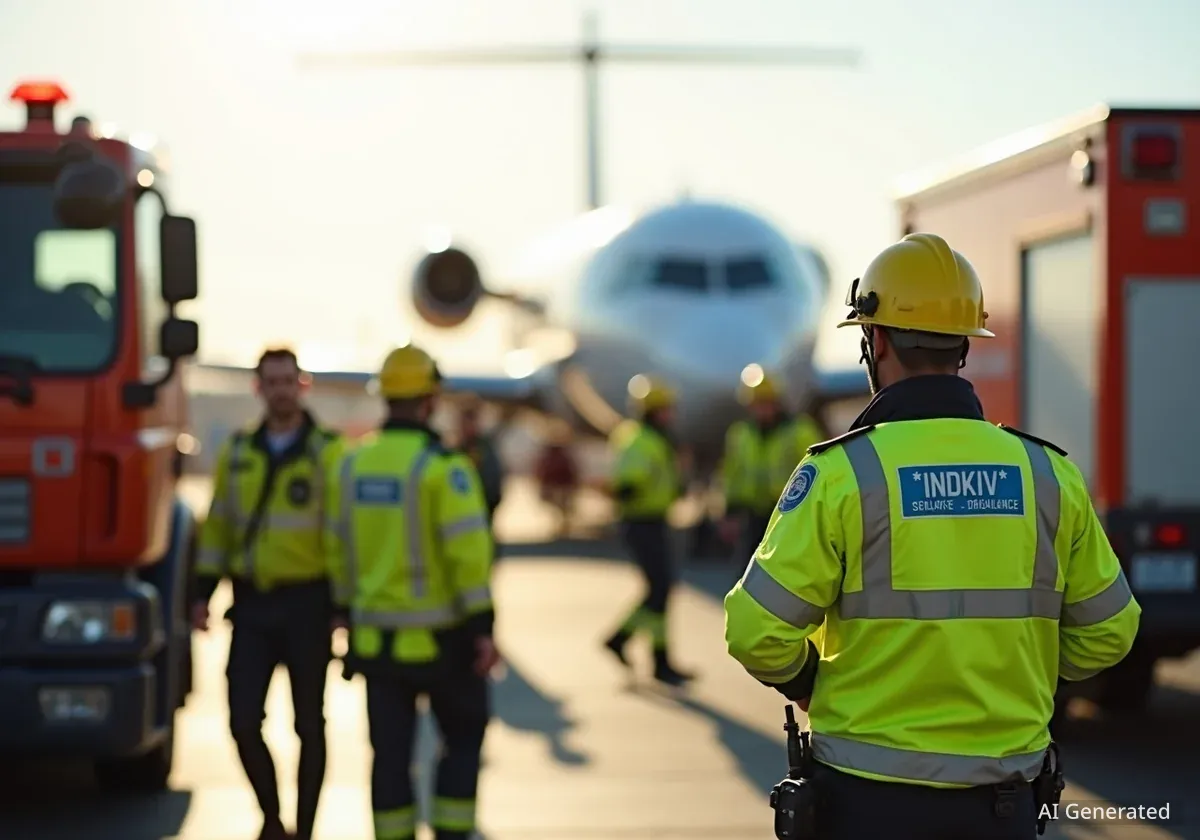
A looming government shutdown threatens to disrupt the nation's air travel network by forcing thousands of federal employees to work without compensation. According to industry groups, this includes air traffic controllers who manage flights and the 50,000 TSA employees who operate airport security checkpoints.
Airlines for America (A4A), a trade group representing major carriers like American Airlines, Delta Air Lines, United Airlines, and Southwest Airlines, issued a statement highlighting the potential consequences. The group warned that if government funding lapses, the aviation system's efficiency could be significantly reduced.
"When federal employees who manage air traffic, inspect aircraft and secure our nation’s aviation system are furloughed or working without pay, the entire industry and millions of Americans feel the strain," A4A stated.
Lessons from the 2019 Shutdown
This situation is not without precedent. During the 35-day government shutdown in 2019, the aviation sector experienced notable disruptions. As federal workers missed paychecks, absences among TSA officers and air traffic controllers increased.
This rise in unscheduled absences led to longer security lines at some airports. The Federal Aviation Administration (FAA) was eventually forced to slow air traffic in the busy New York corridor to manage staffing levels, an action that created cascading delays across the country and increased pressure on lawmakers to resolve the funding impasse.
Aviation by the Numbers
- 50,000: Approximate number of TSA employees who would work without pay.
- 3,800: Current shortage of air traffic controllers below targeted staffing levels.
- 35 days: Length of the 2019 government shutdown that caused similar air travel issues.
Hiring Freeze to Worsen Controller Shortage
Beyond the immediate operational challenges, a shutdown would halt crucial long-term initiatives. The National Air Traffic Controllers Association (NATCA) warned that a shutdown would freeze all hiring and training for new controllers, exacerbating a critical staffing crisis.
The FAA is currently operating with approximately 3,800 fewer controllers than its target staffing levels. This shortage has already forced many controllers to work mandatory overtime and six-day workweeks to maintain service. A shutdown would suspend training for hundreds of new candidates at the FAA Academy in Oklahoma City.
"A government shutdown of any length could cause significant setbacks," NATCA said, explaining that furloughing trainees would create major delays in the training pipeline and worsen the ongoing staffing crisis.
Background: The Air Traffic Controller Staffing Issue
The FAA has faced challenges in recruiting and training enough air traffic controllers to replace a retiring workforce and meet growing air traffic demands. The rigorous training process can take years, and any interruption in the pipeline has long-term effects on the national airspace system's capacity and resilience.
Safety and Modernization Programs at Risk
The impact of a funding lapse extends deep into the FAA's regulatory and development functions. In a joint letter, a coalition of airline groups, aviation unions, and manufacturers outlined a wide range of activities that would be suspended.
These include:
- Safety Initiatives: Implementation of new safety programs would be delayed.
- Aircraft Certification: Airworthy inspections for new aircraft and key certifications, such as for the Boeing 737 MAX 7, could be postponed.
- Maintenance: Repair and maintenance work on critical air traffic control equipment would be deferred.
- Modernization: Work on the $12.5 billion overhaul of the nation's air traffic control system would be suspended.
Transportation Secretary Sean Duffy recently expressed concern that a shutdown could jeopardize both air traffic controller training and the vital modernization effort. The FAA's own contingency plan, released in March, confirms that it would be unable to conduct controller hiring or field training during a shutdown.
The collective warnings from across the aviation industry underscore the significant and multi-faceted impact a government shutdown could have on travelers, federal employees, and the safety and efficiency of the U.S. air transportation system.