Hawaii welcomes nearly 10 million visitors each year, drawing billions of dollars into its economy. Despite this massive influx of tourism revenue, a new report from the University of Hawaii Economic Research Organization (UHERO) indicates that the state's economy has largely stagnated for decades. This challenges long-held assumptions about tourism's overall benefit to the islands.
The report highlights a troubling disconnect: high visitor numbers and prices do not translate into improved infrastructure, better public services, or rising incomes for residents. Instead, many public facilities show significant wear, and essential services often appear understaffed.
Key Takeaways
- Hawaii's tourism spending, adjusted for inflation, peaked decades ago despite rising visitor numbers.
- The state's economic growth per capita has been less than half the national rate since the early 1990s.
- Hawaii's adjusted economic output resembles regions like Appalachia and the Rust Belt, not other high-cost coastal states.
- Dominance of tourism has prevented diversification, leaving the economy vulnerable to travel downturns.
- Residents earn 20% to 30% less than mainland counterparts, often working multiple jobs to compensate.
Visitor Boom Not Boosting Local Economy
Hawaii's visitor economy generates significant income. Tourists pay some of the highest hotel rates and taxes in the United States. Rental car prices have soared, and meal costs have doubled. Billions flow through the islands every year, directly linked to tourism.
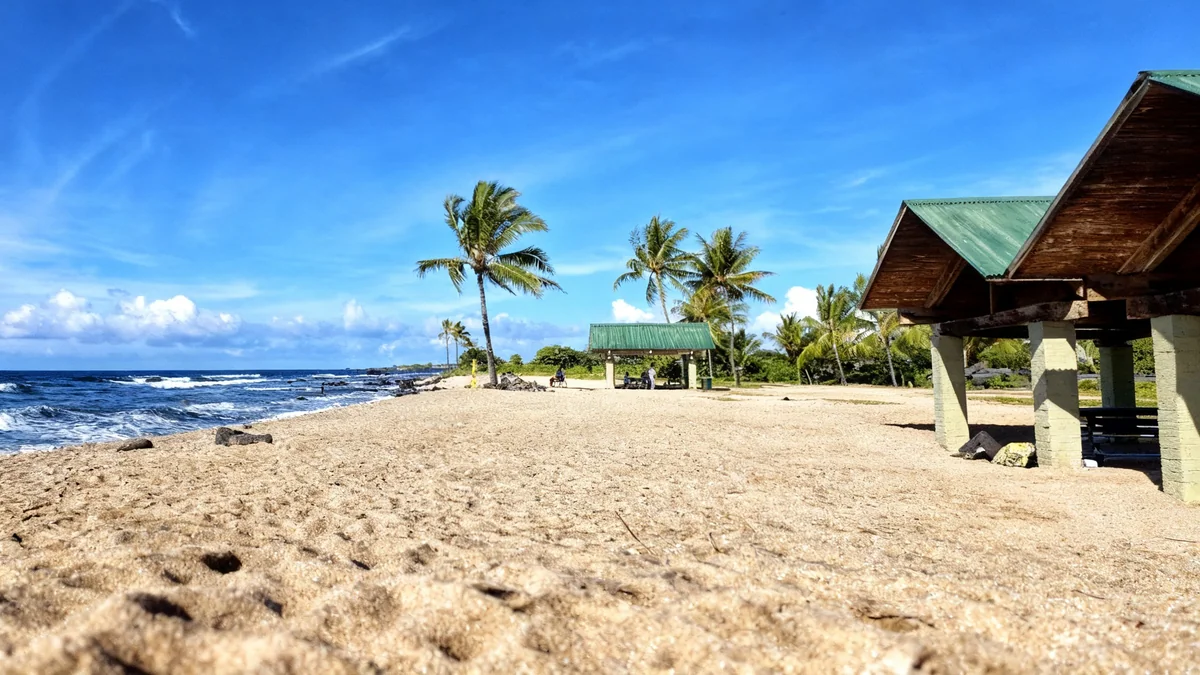
However, the visible reality for both visitors and residents tells a different story. Roads are often filled with potholes. Beach park restrooms are in poor condition. Public facilities across the state show signs of neglect. Service quality appears to decline, even at high-end properties.
Did You Know?
Hawaii receives nearly 10 million visitors annually, generating billions in revenue. Yet, adjusted for inflation, real tourism spending peaked decades ago.
This situation presents a clear mismatch. The high prices visitors pay suggest a thriving economy. However, the physical infrastructure and human resources supporting the experience indicate a system struggling to keep up. This imbalance is noticeable enough that both visitors and residents frequently comment on it.
The Data Behind the Stagnation
The feeling of imbalance is not anecdotal. UHERO's new report, titled "Beyond the Price of Paradise: Is Hawaii Being Left Behind?", provides concrete data. It reveals that real tourism spending, after adjusting for inflation, peaked decades ago and has not recovered meaningfully since.
Visitor numbers continued to rise after this peak, but the actual economic output tied to these visits remained stagnant. More people arrived, but the economy essentially stayed in the same place. This report challenges previous assumptions about the effectiveness of Hawaii's visitor economy.
Steven Bond-Smith, lead author of the UHERO report, stated that Hawaii residents "feel the same sorts of economic stress" as people in former coal-mining regions and rural Southern communities.
Hawaii has successfully attracted tourists, performing better than most places globally. However, it has failed to translate this high visitor volume into sustained economic growth.
Hawaii Compared to the "Rust Belt"
When Hawaii's income, productivity, and GDP are adjusted for its exceptionally high cost of living, the comparisons become stark. The state does not resemble high-cost coastal states like California or Washington, which have managed to pair high prices with rising incomes.
Instead, UHERO's analysis places Hawaii alongside regions like parts of Appalachia, the rural South, and the Rust Belt. This is unexpected for a destination welcoming 10 million visitors each year.
Understanding Dutch Disease
Dutch disease occurs when a single industry dominates an economy so completely that it crowds out other sectors. This can lead to a lack of diversification and make the economy vulnerable to fluctuations in the dominant industry.
Co-author Carl Bonham warned that if current trends continue, the economic gap between Hawaii and the rest of the country could "get dramatically worse" over the next 30 years.
Workers Face Economic Pressure
A key factor behind these comparisons is the disparity in worker earnings. Workers in Hawaii earn approximately 20% to 30% less than those in comparable jobs on the mainland. To cope, many residents take on second or third jobs or work longer hours.
Since the early 1990s, Hawaii's per capita economic growth has averaged less than half the national rate. When purchasing power is adjusted for local prices, Honolulu's economic standing aligns with places like Morgantown, West Virginia. Maui's adjusted economic output is barely higher than Binghamton, New York.
Carl Bonham explained, "It's not that our costs are going up faster, it's that our income isn't going up as fast."
This highlights a significant challenge for the local workforce, who are the backbone of the tourism industry.
Tourism's Dominance and Lack of Diversification
UHERO points to a phenomenon known as Dutch disease. In Hawaii, tourism has dominated the economy for decades, absorbing labor, capital, and political attention. This has made it difficult for other industries to develop and thrive alongside it.
Efforts to diversify the economy have often stalled, faced resistance, or failed to reach a viable scale. As a result, Hawaii has become reliant on a single significant economic engine without meaningful backup.
While this engine remained busy—flights filled, hotels expanded, and visitor counts climbed—its real economic output stopped growing in the early 1990s. Activity continued, but the returns did not.
Vulnerability During Economic Downturns
This overreliance on tourism exposes Hawaii's economic vulnerability during downturns. During the Great Recession, Hawaii's economy experienced a harder fall and a slower recovery compared to most other U.S. regions.
The impact of travel restrictions during the COVID-19 pandemic was even more severe. Each crisis revealed the same weakness. While visitor numbers eventually rebounded, the underlying economic structure remained unchanged.
This cycle reinforces itself. When times are good, the system appears functional enough to avoid major reforms. When times are bad, the lack of economic alternatives becomes painfully clear.
Visible Signs of Underinvestment
The concept of "nothing to show for it" is not just an abstract idea. Across the state, the signs of underinvestment are evident in everyday infrastructure.
- Beach Park Restrooms: Frequently closed or partially functional at heavily visited sites.
- Roads: Degrading faster than they are repaired due to constant rental car and tour van traffic.
- Services: Operate short-staffed with limited hours, unable to match visitor volume.
- Hotels: Post record rates but struggle to staff essential services like housekeeping, leading to visible service gaps.
- Workers: Commute longer distances, juggle multiple jobs, or accept challenging housing situations.
This reality does not reflect an economy benefiting from 10 million annual visitors. It suggests a system running at full capacity but still falling behind.
The Path Forward
UHERO researchers confirm that Hawaii has always been an expensive place to live. However, the current issue is that wages, productivity, and overall economic growth have failed to keep pace with the cost of living for decades. The state relied on increasing visitor numbers to compensate for a lack of real growth, a strategy that eventually stopped working.
The economic gap is clear and continues to widen. The report calls for further work on long-term economic development and diversification. Whether this leads to meaningful change remains to be seen. The data clearly indicates that Hawaii's economic challenges are not new, but have been building for over three decades despite its popularity as a tourist destination.