
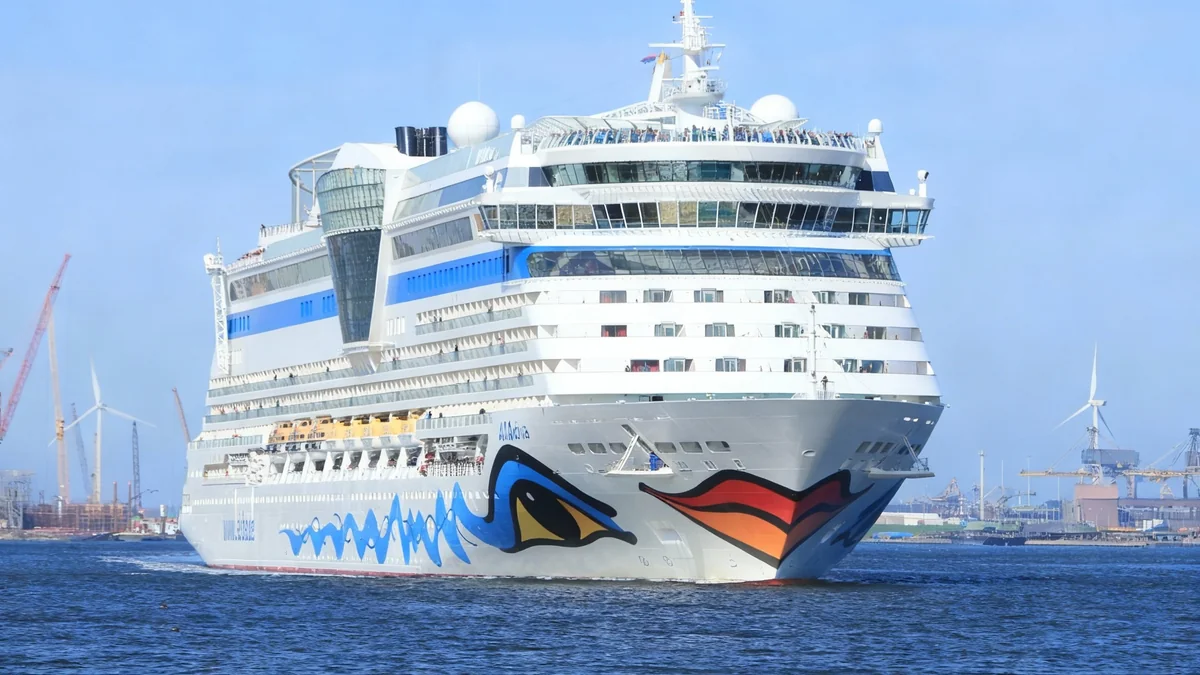
A gastrointestinal illness has affected more than 100 people aboard the AIDAdiva cruise ship during its 133-day world voyage. Health officials have identified Norovirus as the cause of the outbreak, which was first reported on November 30 after the vessel made several stops along the U.S. East Coast.
The ship's crew has implemented enhanced sanitation protocols and isolated affected individuals to manage the spread of the highly contagious virus. The vessel, operated by Aida Cruises, is continuing its journey to Central America and beyond as scheduled.
Key Takeaways
- At least 95 passengers and 6 crew members on the AIDAdiva have fallen ill.
- The cause has been confirmed as Norovirus, a common and highly contagious virus.
- The outbreak was reported after the ship visited Boston, New York, Miami, and Charleston.
- The ship's operator has increased cleaning and disinfection measures in response.
- The 133-day world cruise began in Hamburg, Germany, on November 10.
Outbreak Details Emerge at Sea
A global cruise that promised adventure has been marked by a significant health challenge in its early weeks. Over one hundred individuals, including 95 passengers and six crew members, have reported symptoms consistent with Norovirus. The AIDAdiva, part of the Aida Cruises fleet, was navigating international waters when the first cases were officially logged on November 30.
The illness, characterized by vomiting and diarrhea, began to surface after the ship completed a series of port calls in the United States. Having departed from Hamburg, Germany, on November 10, the vessel visited major cities such as Boston, New York, Miami, and Charleston before the outbreak was confirmed.
While the number of those affected is significant, it represents less than 6% of the total population on board the ship. The rapid identification of the virus allowed the crew to initiate a targeted response to contain the situation.
Norovirus by the Numbers
Norovirus is a leading cause of acute gastroenteritis worldwide. It is known for its ability to spread quickly in enclosed spaces like cruise ships, hospitals, and schools. Symptoms typically appear 12 to 48 hours after exposure and can last for one to three days.
Ship's Crew Implements Response Plan
In response to the outbreak, the crew of the AIDAdiva immediately activated their established health and safety protocols. According to statements from health monitoring bodies, the ship's staff has been working diligently to mitigate the spread of the virus.
Key actions taken include:
- Enhanced Sanitation: Cleaning and disinfection procedures have been significantly increased throughout the vessel, focusing on high-traffic areas and surfaces.
- Isolation Procedures: Ill passengers and crew members have been asked to isolate in their cabins to prevent further transmission.
- Medical Consultation: The ship's medical team has been consulting with the Vessel Sanitation Program (VSP) to ensure all response measures align with public health standards.
- Specimen Collection: Stool specimens were collected from affected individuals to confirm the pathogen, which was quickly identified as Norovirus.
Officials have been remotely monitoring the ship's response, reviewing its sanitation procedures and case reporting to ensure compliance with international health guidelines. The proactive measures are designed to protect the health of all remaining passengers and crew as the voyage continues.
Understanding Cruise Ship Health Protocols
Cruise lines are required to maintain comprehensive Outbreak Prevention and Response Plans. These plans are regularly reviewed by authorities like the Vessel Sanitation Program. When a certain percentage of passengers or crew report gastrointestinal illness, these plans are triggered, mandating immediate action to prevent a wider outbreak. This includes everything from deep cleaning to isolating sick individuals and providing public health notifications.
The Nature of Norovirus
Norovirus is a very common virus that is easily transmitted from person to person, through contaminated food or water, or by touching contaminated surfaces. Its resilience makes it a persistent challenge in environments with many people in close quarters.
How Norovirus Spreads
Understanding transmission is key to prevention. The virus spreads primarily through:
- Direct contact with an infected person.
- Consuming food or liquids contaminated with the virus.
- Touching surfaces or objects with the virus on them and then putting your unwashed hands in your mouth.
An individual can remain contagious and spread the virus for up to two weeks after their symptoms have subsided, which highlights the importance of sustained hygiene practices.
"Effective and immediate response is critical in managing Norovirus onboard. The key is to break the chain of transmission through rigorous sanitation and isolation," explained a public health expert familiar with maritime protocols.
Voyage Continues Amidst Health Measures
Despite the outbreak, the AIDAdiva is continuing its ambitious 133-day journey. The ship's itinerary includes destinations in Central America, Mexico, and eventually Europe and Japan. The current leg of the cruise, for passengers not completing the full world tour, is scheduled to conclude on December 16.
The incident serves as a reminder of the persistent challenges posed by communicable diseases in travel settings. While cruise lines have robust systems in place, the highly infectious nature of viruses like Norovirus requires constant vigilance from both crew and passengers.
Health officials advise all travelers, especially on cruises, to practice frequent and thorough handwashing with soap and water. It remains the single most effective way to prevent the spread of Norovirus and other similar illnesses.