China's high-speed rail network has officially surpassed 50,000 kilometers in operational length. This milestone was reached with the recent launch of the new Xi'an-Yan'an high-speed railway in Shaanxi Province, northwest China. The expansion solidifies China's position as the nation with the largest high-speed rail infrastructure globally.
Key Takeaways
- China's high-speed rail network now extends beyond 50,000 kilometers.
- The new Xi'an-Yan'an high-speed railway contributed to this milestone.
- China maintains the world's largest high-speed rail network.
- The Fuxing bullet train operates on the new route.
New Xi'an-Yan'an Line Boosts Network Length
The new Xi'an-Yan'an high-speed railway began operations on December 26, 2025. This new line connects the provincial capital Xi'an with the city of Yan'an. The route is crucial for regional development and connectivity within Shaanxi Province.
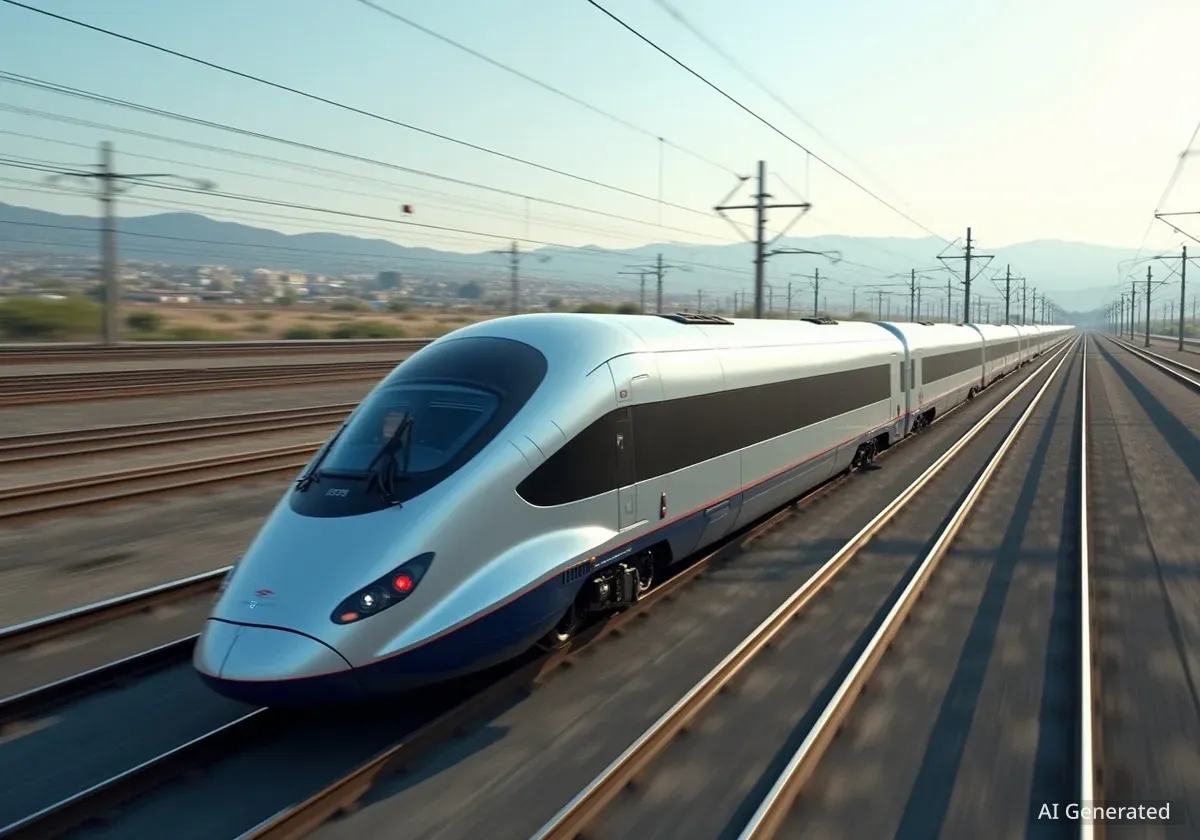
Staff members were seen checking the first Fuxing bullet train at Yan'an Station on the launch day. These checks ensure the safety and efficiency of the new service. The Fuxing series trains are known for their advanced technology and speed.
Network Fact
China's high-speed rail network has grown by over 50,000 kilometers since its inception. This extensive network facilitates travel across vast distances, connecting major cities and remote regions.
Global Leader in High-Speed Rail
China's achievement of exceeding 50,000 kilometers reinforces its dominance in high-speed rail. The country has consistently invested in expanding its railway infrastructure. This strategy aims to improve transportation efficiency and support economic growth across its diverse regions.
The network's rapid expansion has transformed travel for millions of people. It offers a fast, reliable, and comfortable alternative to other modes of transport. The government's long-term vision includes further expansion and technological advancements in rail transport.
"The continuous development of our high-speed rail network is a testament to our commitment to modern infrastructure and national connectivity," a railway official stated during the launch event. "Each new line brings communities closer and fuels regional progress."
Impact on Regional Development
The Xi'an-Yan'an line is expected to have a significant impact on local economies. It will reduce travel times between the two cities, making business and tourism more accessible. Yan'an, a city with historical significance, will likely see an increase in visitors.
Improved connectivity often leads to increased trade and investment in the connected areas. Businesses can transport goods and personnel more efficiently. Residents also benefit from easier access to employment opportunities and services in larger urban centers.
Historical Context
China launched its first high-speed rail line in 2008. Since then, the network has grown at an unprecedented pace. The country aims to have 70,000 kilometers of high-speed rail by 2035, demonstrating a continued commitment to this infrastructure.
The Fuxing Bullet Train Experience
The Fuxing bullet trains operating on the new Xi'an-Yan'an line represent the latest in Chinese rail technology. These trains are designed for high speeds and passenger comfort. They feature amenities such as spacious seating, onboard Wi-Fi, and catering services.
The Fuxing series holds several records for speed and efficiency. Their deployment on new lines ensures a modern travel experience for passengers. This focus on advanced rolling stock is a key part of China's high-speed rail strategy.
- Advanced Technology: Fuxing trains incorporate cutting-edge engineering for speed and safety.
- Passenger Comfort: Interiors are designed for a pleasant journey, even on long routes.
- Operational Efficiency: These trains contribute to the overall reliability of the network.
Future Outlook for China's Rail Network
The expansion beyond 50,000 kilometers is not the end of China's high-speed rail ambitions. Plans are already in motion for further additions to the network. These future projects aim to connect more remote areas and enhance existing corridors.
The strategic importance of high-speed rail extends beyond domestic travel. It plays a role in international connectivity initiatives, such as the Belt and Road Initiative. This includes potential links to neighboring countries, further integrating regional economies.
According to railway development plans, the network will continue to grow, supporting both economic development and national cohesion. The focus remains on safety, speed, and sustainability in all new projects.