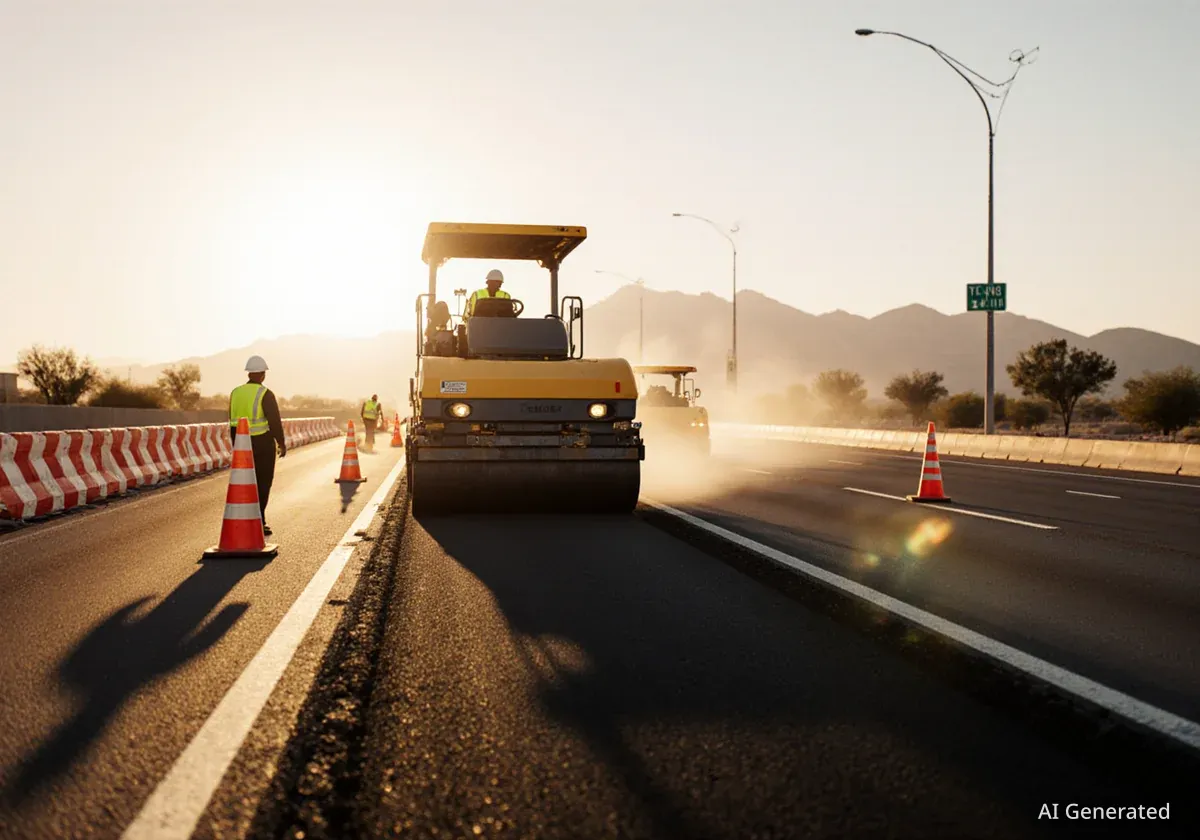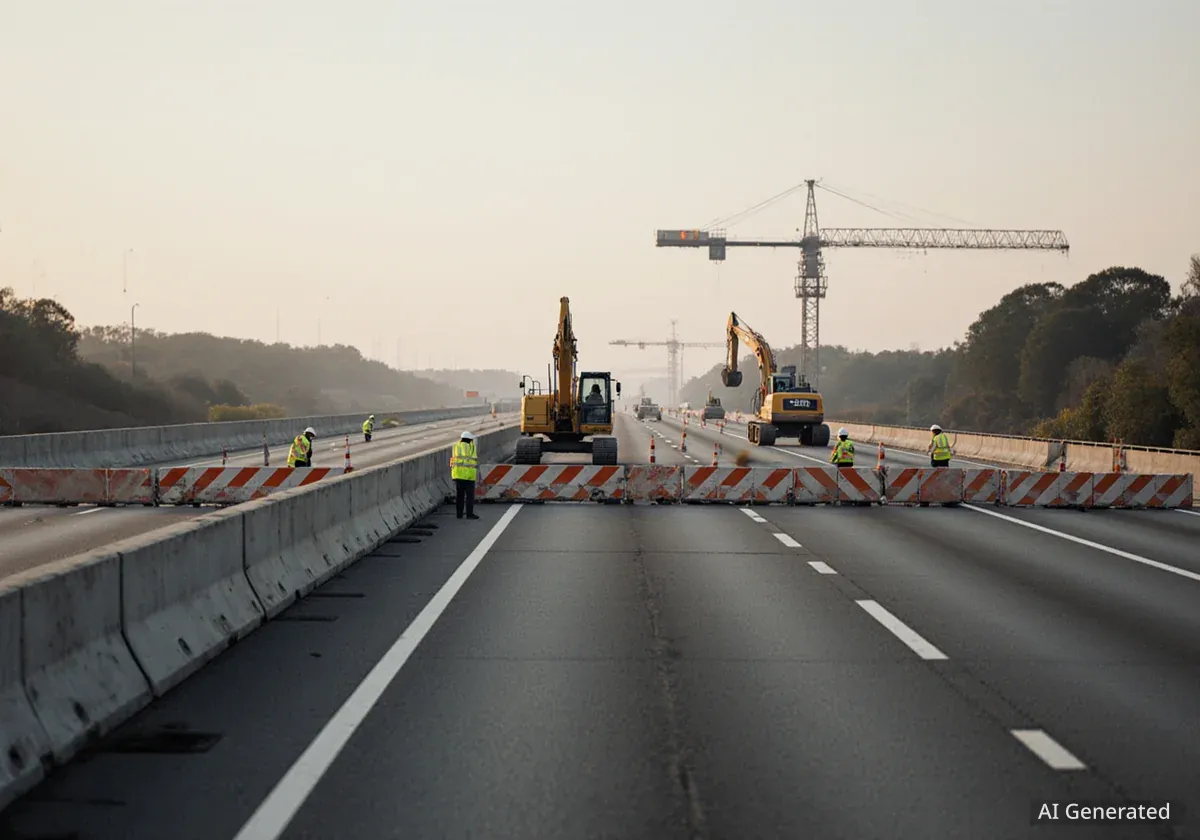
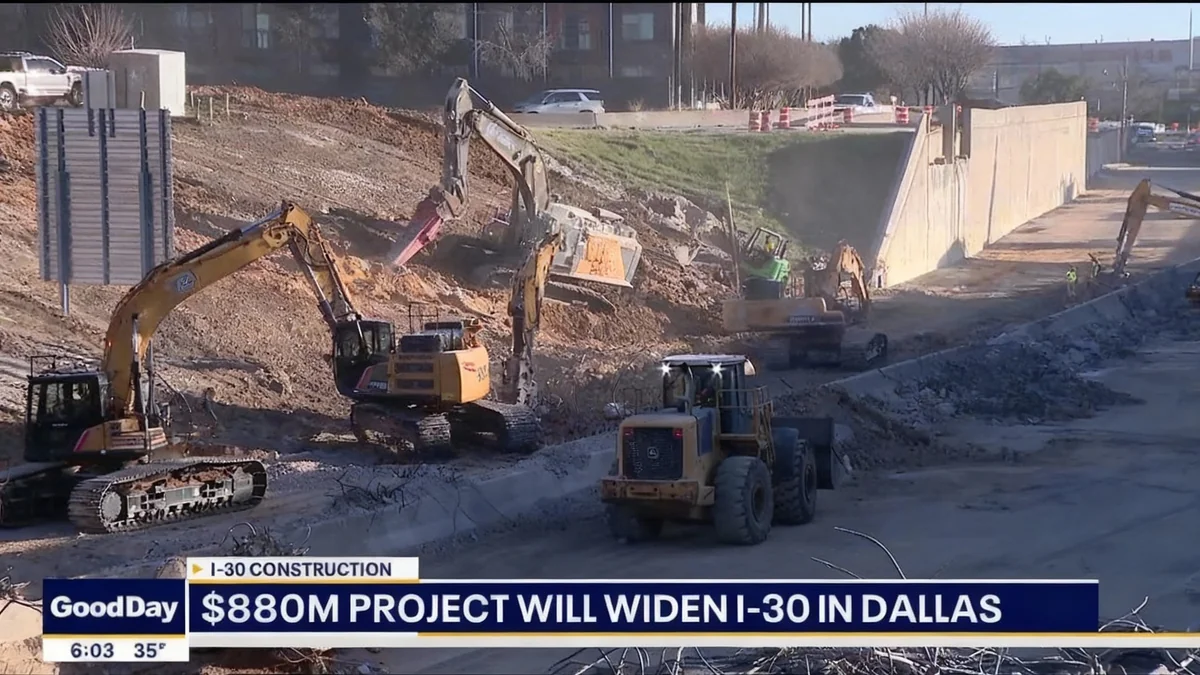
Interstate 30 through Downtown Dallas has officially reopened on schedule this Monday morning. This follows a significant weekend closure that was part of the ongoing $888 million Canyon Corridor Improvement Project. Despite some public skepticism on social media, all main lanes were back in service by 5 a.m., meeting the deadline set by the Texas Department of Transportation (TxDOT).
The closure, which began Friday night, caused considerable traffic delays and required drivers to use alternate routes. This weekend's work represents a crucial step in the larger initiative to widen the highway and alleviate congestion in the Dallas area.
Key Takeaways
- I-30 main lanes in Downtown Dallas reopened by 5 a.m. Monday, January 19, 2026.
- The closure was part of the $888 million I-30 Canyon Corridor Improvement Project.
- The project aims to widen the highway and reduce congestion by 2030.
- Several surface streets will remain closed or detoured through 2028.
- More weekend shutdowns are expected in the coming years.
Massive Project Targets 2030 Completion
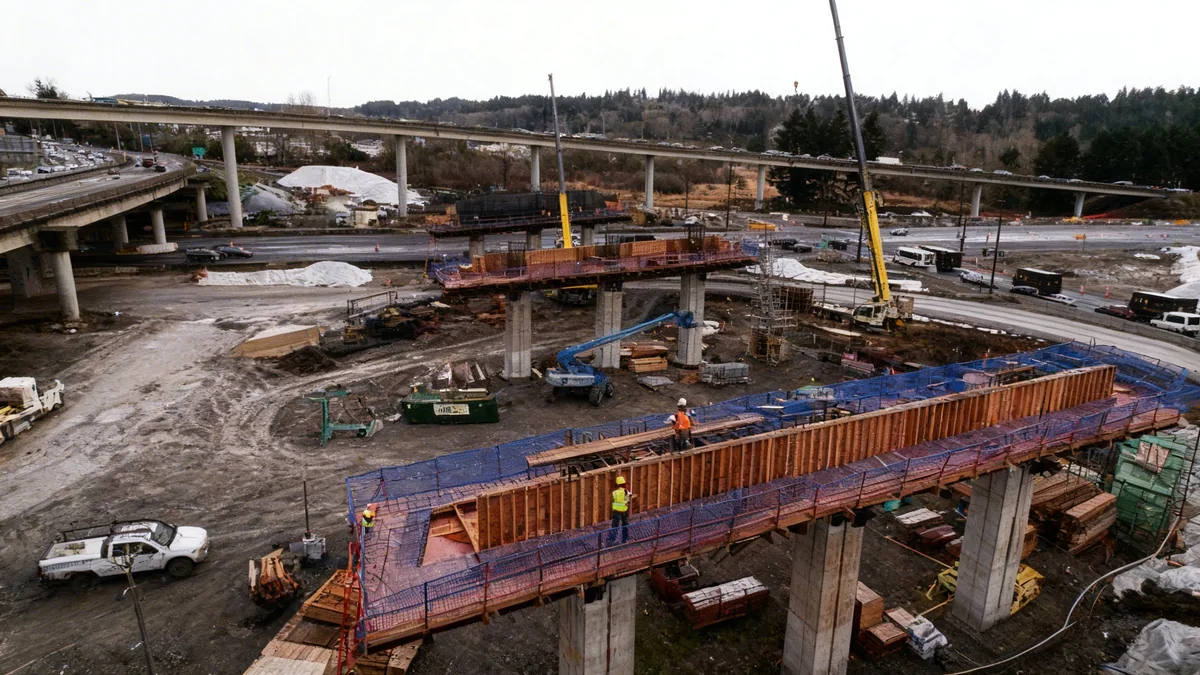
The I-30 Canyon Corridor Improvement Project is a long-term undertaking designed to modernize a vital stretch of highway. This multi-year effort focuses on expanding capacity and improving traffic flow through one of Dallas's busiest corridors. The ultimate goal is to significantly reduce congestion for commuters and travelers alike.
TxDOT anticipates the entire project will reach completion in 2030. This timeline suggests that Dallas residents and visitors can expect more construction activity and periodic closures over the next several years. The scale of the project underscores its importance to the regional transportation network.
Project at a Glance
- Total Cost: $888 million
- Completion Target: 2030
- Primary Goal: Widen I-30 and reduce traffic congestion
Surface Street Impacts Continue for Years
While the main lanes of I-30 are now open, the impact on local surface streets is far from over. Several key roadways beneath and around the highway will experience ongoing closures and detours. These disruptions are scheduled to last through late 2028, requiring drivers to continue planning for alternative routes.
Drivers should pay close attention to signage and plan extra travel time, especially when navigating areas around the I-30 corridor. TxDOT officials consistently urge the public to avoid work zones for safety reasons, emphasizing that pedestrian access is strictly prohibited.
Key Surface Street Closures and Detours
- Cesar Chavez Boulevard: All lanes closed and detoured at I-30.
- Akard Street: All lanes closed and detoured at I-30 through summer 2028.
- Good Latimer Expressway: Restricted to one lane in each direction at I-30.
- Cadiz Street: All lanes closed at I-30; this street will undergo rebuilding on a new alignment later in the project.
Future Closures Expected
This past weekend's shutdown was just one of many planned for the I-30 Canyon Corridor Improvement Project. TxDOT has confirmed that more weekend closures will be necessary in the future to facilitate ongoing construction. However, specific dates for these upcoming full closures have not yet been released.
Residents and commuters are encouraged to stay informed through official TxDOT channels for the latest updates on construction schedules and traffic advisories. Planning ahead remains crucial for minimizing disruption during this extensive infrastructure upgrade.
Understanding the Need for Expansion
Dallas has experienced significant population growth over the past decades, leading to increased demand on its transportation infrastructure. The I-30 corridor is a critical artery, and its expansion is deemed essential to support future economic development and accommodate the growing number of vehicles traveling through the city daily. Without these improvements, traffic congestion would likely worsen, impacting quality of life and business efficiency.
Public Reaction and Awareness
The recent I-30 closure sparked mixed reactions among Dallas residents. While some were aware of the planned work and prepared for detours, others expressed surprise and frustration. Social media platforms saw widespread skepticism regarding whether TxDOT would meet its reopening deadline.
The successful reopening on schedule has likely eased some of these concerns. However, the long-term nature of the project means public awareness campaigns will remain important. Ensuring drivers understand the scope and duration of the work can help manage expectations and encourage compliance with detours for safer and smoother traffic flow.
"We understand these closures cause inconvenience, but they are vital for the long-term improvement of our transportation network," a TxDOT representative stated previously regarding the project. "We appreciate the public's patience as we work to deliver a safer and more efficient I-30."
The Dallas community will continue to navigate these changes as the I-30 Canyon Corridor Improvement Project progresses towards its 2030 completion. Staying informed and planning routes carefully will be key for drivers in the coming years.