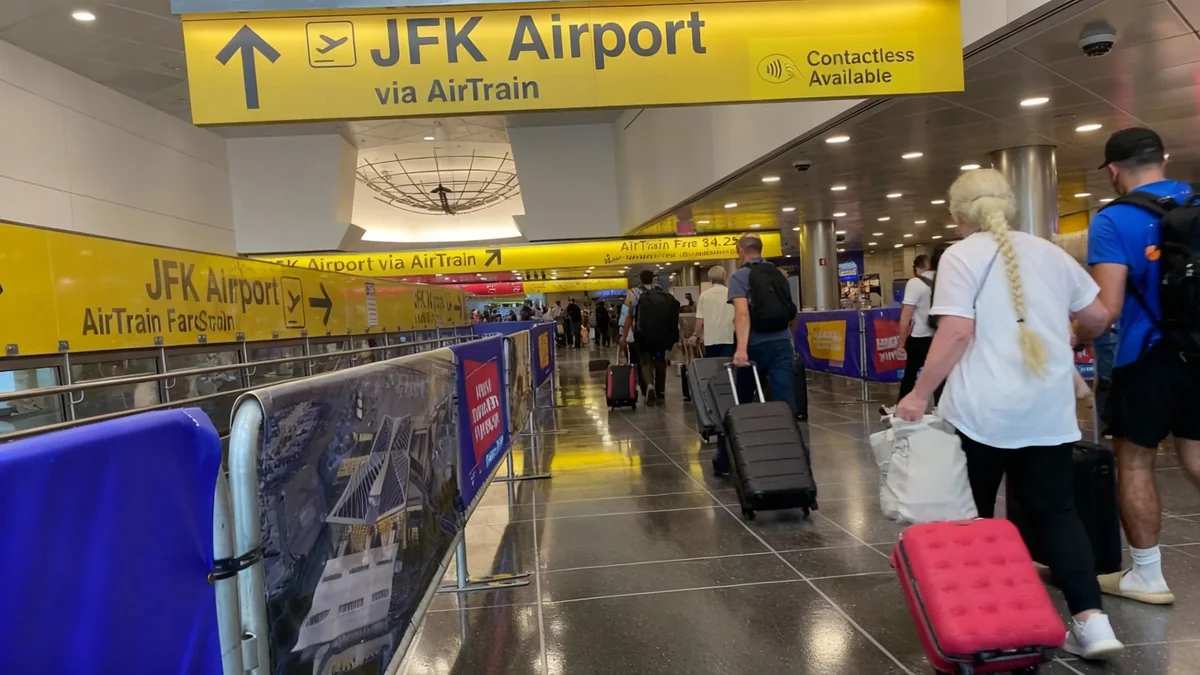
New York Governor Kathy Hochul has announced significant plans to overhaul two critical parts of the city's public transit system. The initiatives include a major modernization of Jamaica Station in Queens, a key hub for airport and commuter travel, and the advancement of a multi-billion dollar subway extension across 125th Street in Harlem.
These projects aim to reduce crowding, improve commuter flow, and expand subway access to new parts of Manhattan, potentially benefiting hundreds of thousands of daily riders.
Key Takeaways
- Governor Kathy Hochul is directing $50 million for a design proposal to modernize Jamaica Station in Queens.
- The plan aims to improve passenger flow and connections at the fourth-busiest transit hub in North America.
- A $7.6 billion Second Avenue Subway extension is moving forward, set to run west across 125th Street in Harlem.
- The subway extension is projected to serve 240,000 daily riders and significantly cut travel times.
Jamaica Station Set for a Modern Overhaul
Jamaica Station stands as one of the most vital, and often congested, transit centers in North America. As a central point connecting the Long Island Rail Road, three subway lines, and the AirTrain to JFK Airport, it handles a massive volume of traffic daily.
Governor Hochul has allocated an initial $50 million to develop a comprehensive design proposal for the station's future. The primary goals are to ease crowding, streamline the connections between different transit services, and create a more efficient experience for both daily commuters and international travelers.
A Hub of Activity
Jamaica Station is the fourth-busiest rail hub in North America. Every weekday, it serves approximately 200,000 passengers and accommodates the movement of more than 1,000 trains.
The governor highlighted the station's importance and the need for renewed investment.
“Jamaica Station is a critical gateway for commuters on Long Island and travelers from around the world, but it has lacked investment for decades — not anymore,” Governor Hochul stated. “Our plan will create a state-of-the-art transit hub in southeast Queens that riders will use for generations to come.”
This new funding is part of a broader effort to improve the facility. The Metropolitan Transportation Authority (MTA) has already included $110 million in its 2025-2029 capital plan for more immediate upgrades, such as improving elevators and stairs to help manage passenger movement more effectively.
Expanding the Subway Network into Harlem
In a separate but equally ambitious move, the state is advancing a long-discussed plan to extend the Second Avenue Subway. The project, with an estimated cost of $7.6 billion, will push the Q train westward across Harlem's bustling 125th Street commercial corridor.
Currently, construction is underway to extend the line north from 96th Street to 125th Street on the Upper East Side. The new phase will continue that tunnel west toward Broadway, creating crucial new connection points with several other subway lines that cross 125th Street.
Building on the Second Avenue Subway
The Second Avenue Subway has been one of the city's largest infrastructure projects for decades. The first phase opened in 2017, extending the Q train to 96th Street. This next phase represents a significant expansion into new neighborhoods, aiming to relieve congestion on the heavily used Lexington Avenue line (4, 5, 6 trains).
Projected Impact on Commutes
The Harlem extension is expected to have a transformative effect on travel for residents of Upper Manhattan and the Bronx. According to the governor's office, the new line would serve an estimated 240,000 daily riders.
For the average rider, this could result in significant time savings. Projections indicate that the improved connectivity could reduce weekly travel times by as much as 30 minutes. This efficiency is a key selling point for a project of this scale and cost.
By beginning the preliminary engineering and design work now, officials hope to streamline the construction process. The strategy involves continuing the use of the tunnel boring machine from the current phase, a move intended to save time and money.
“Our efforts to extend the Second Avenue subway will save hundreds of millions of dollars in future costs and reduce time — big wins for the 240,000 daily riders projected to benefit,” Governor Hochul explained.
Support and Strategic Vision
Transit advocacy groups have responded positively to the announcement, viewing the projects as strategic investments in the city's future. The 125th Street extension, in particular, is seen as a logical and efficient use of public resources.
Danny Pearlstein, spokesperson for the public transit advocacy group Riders Alliance, noted the project's potential impact. “The 125th Street subway would be as big a deal for millions of riders in Manhattan and the Bronx as the Interborough Express will be in Brooklyn and Queens,” he said in a statement. “Continuing the tunnel bore from 2nd Avenue is an efficient and strategic deployment of public infrastructure.”
The dual focus on a major Queens hub and a new Manhattan subway line reflects a broad strategy to address some of the MTA system's most pressing needs. For Jamaica, the issue is managing immense existing passenger volume. For Harlem, it's about expanding service to underserved areas and creating new connections that will benefit the entire network.
As these plans move from announcements to the design and engineering phases, New Yorkers will be watching closely. The projects represent a significant financial commitment and hold the promise of a more connected and efficient transit system for generations to come.