Manhattan's congestion pricing program, now one year old, has led to a significant decrease in traffic within the central business district. State and city officials are highlighting the program's success in reducing vehicle volume and improving public transit efficiency.
Key Takeaways
- Traffic in Manhattan's central business district decreased by 11% daily.
- 27 million fewer vehicles entered the zone in the first year.
- Bus speeds within the toll zone increased by 2.3%.
- The program aims to improve air quality and fund public transit.
Traffic Reduction and Environmental Impact
New York Governor Kathy Hochul announced the program's positive outcomes during a recent press conference. She emphasized the decrease in vehicles entering the designated toll zone, which covers Manhattan below 60th Street.
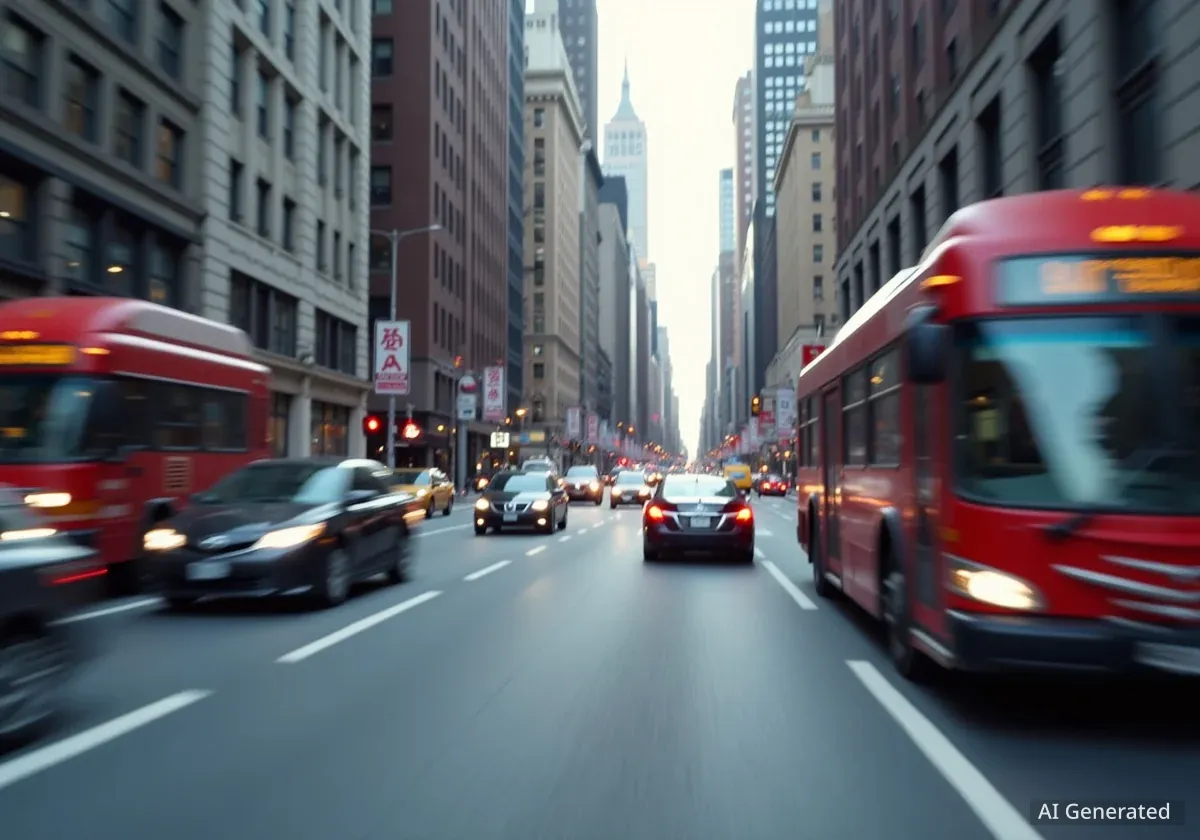
A report from the Metropolitan Transportation Authority (MTA) indicates a substantial reduction in traffic. Over the first year, 27 million fewer vehicles entered the central business district. This translates to an average daily reduction of 11% compared to the year before tolls were implemented.
"We’re winning this battle one year into it," Governor Hochul stated, celebrating the program's achievements.
Congestion Pricing At A Glance
- Zone: Manhattan below 60th Street
- Base Fare: $9 (for passenger vehicles)
- Traffic Reduction: 11% daily average
- Total Vehicles Reduced: 27 million in first year
Improvements for Public Transit
Beyond traffic reduction, officials are also noting improvements in public transportation. Bus speeds within the congestion pricing zone have seen a modest but important increase.
The MTA report confirms that bus speeds improved by 2.3%. This data point aligns with one of Mayor Zohran Mamdani's campaign pledges focusing on faster bus service.
Mayor Mamdani, along with MTA Chair Janno Lieber, joined Governor Hochul in praising the program. They highlighted its dual benefits: enhancing air quality and generating revenue specifically for public transit upgrades.
"We also celebrate what this has meant for New Yorkers, whether they are driving, whether they are biking, whether they are walking, taking a bus, taking the train, whether they are just breathing the air in the city they call home," Mayor Mamdani commented. "Because this is a program that has been successful no matter how you measure it."
Funding for Infrastructure
The revenue generated from congestion pricing is crucial for the MTA's ongoing efforts to modernize and expand New York City's public transit system. These funds are earmarked for critical infrastructure projects, including subway signal upgrades, new bus purchases, and accessibility improvements.
The program aims to create a more sustainable urban environment by encouraging the use of public transportation and reducing reliance on private vehicles. This shift is expected to have long-term positive effects on urban mobility and environmental health.
Why Congestion Pricing?
Congestion pricing is a strategy used in several major cities worldwide to manage traffic, reduce pollution, and fund public transportation. By charging drivers for entering high-traffic areas, it incentivizes alternative modes of transport and helps alleviate chronic gridlock.
Muted Criticism and Legal Challenges
Since its launch, criticism of the congestion pricing program has become less vocal. While there were initial concerns from various groups, the program's reported successes appear to have shifted public discourse.
However, the program still faces some legal challenges. The MTA is currently involved in a lawsuit against the federal transportation department. This legal action addresses efforts by the previous administration to halt the implementation of the tolls.
A hearing for this lawsuit is scheduled for later this month. The outcome could have further implications for the program's future, though officials remain confident in its legal standing and benefits.
The continued support from state and city leaders, including a notable appearance by Mayor Mamdani, underscores the unified stance on the program's importance for New York City's future.