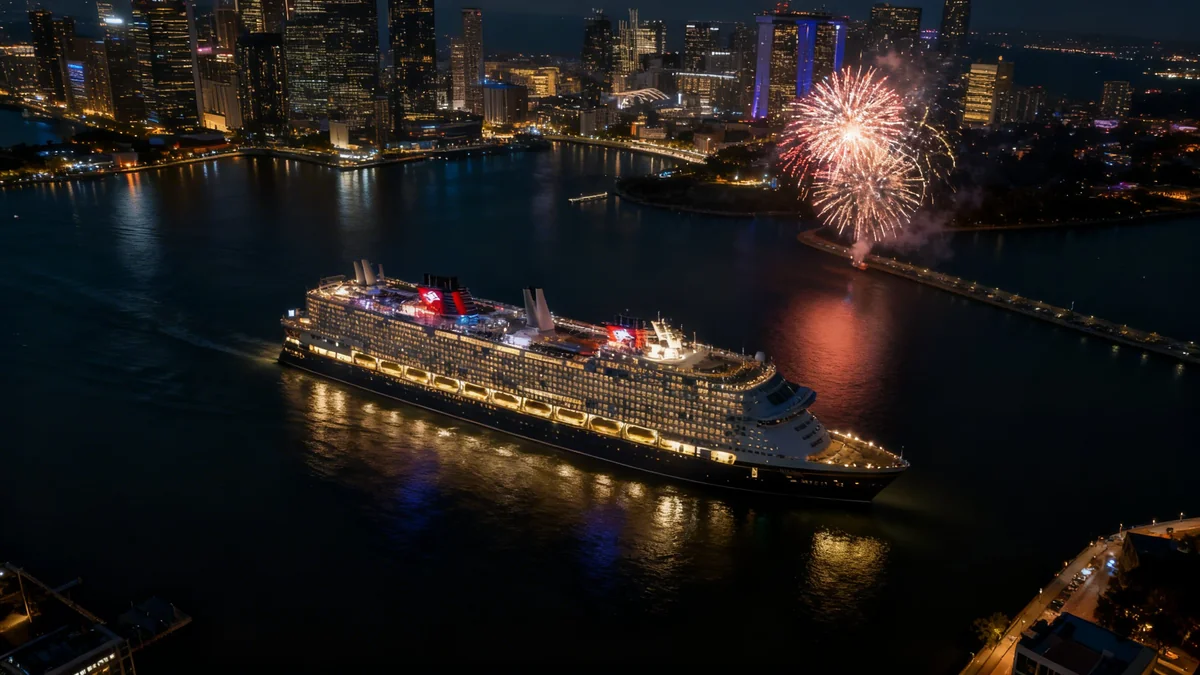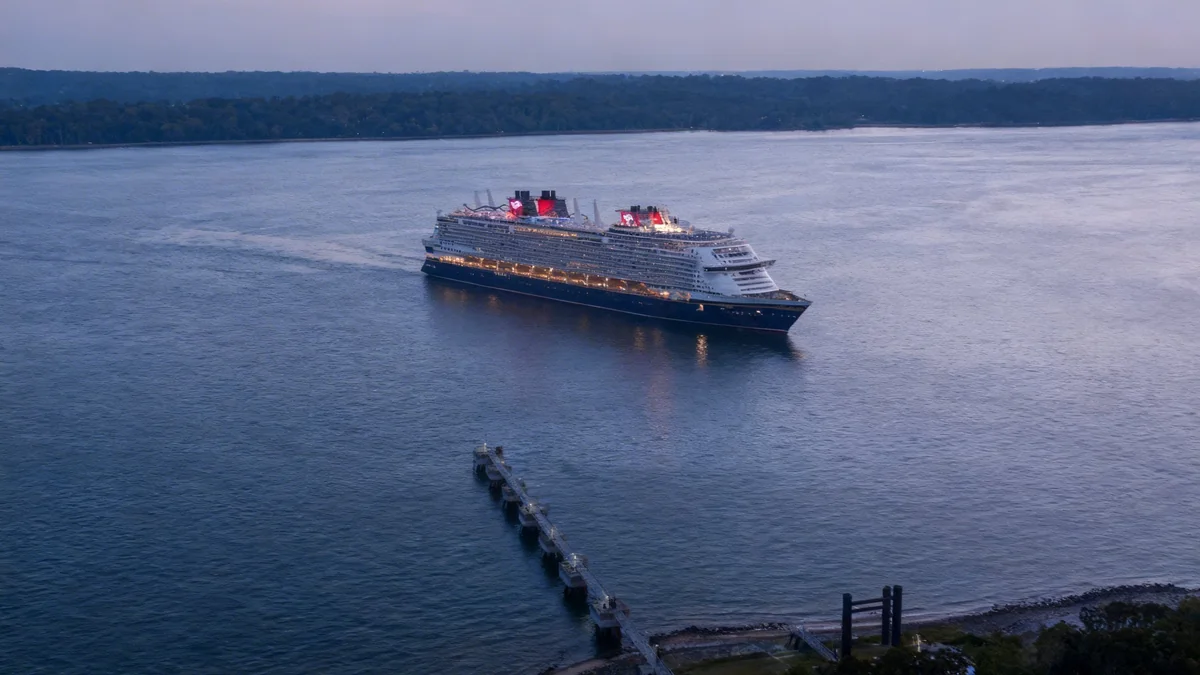
A recent homeport closure has led to significant operational changes for Carnival Cruise Line, impacting thousands of passengers. The Carnival Sunrise, scheduled to depart from its homeport, experienced a delay, while another Carnival vessel remains on alert due to the same situation.
Key Takeaways
- Carnival Sunrise departure delayed due to homeport closure.
- Thousands of passengers affected by unforeseen operational changes.
- Another Carnival ship is on alert for potential impacts.
- Cruise lines must adapt quickly to unexpected port disruptions.
Unforeseen Homeport Closure Creates Disruption
The homeport closure, which occurred unexpectedly, directly affected the departure schedule of the Carnival Sunrise. This vessel was set to begin a new itinerary, but the port's unavailability forced a change in plans.
Passengers who had already arrived at the port were informed of the delay. Many had traveled from various locations, anticipating their vacation to begin as scheduled.
Fact: Cruise Industry Flexibility
Cruise lines often have contingency plans for weather events or technical issues, but unexpected port closures can still pose significant logistical challenges.
Impact on Carnival Sunrise Passengers
The delay meant passengers faced extended waiting times. Carnival Cruise Line worked to provide updates and support to those affected. Communication from the cruise line became critical during this period.
Travelers expressed their frustration but largely understood the unforeseen nature of the situation. Many had packed for specific embarkation times.
"We were really looking forward to getting on board, but these things happen," one passenger stated. "The crew did their best to keep us informed, which helped a lot."
Logistical Challenges for Cruise Lines
Homeport closures present complex logistical challenges for cruise operators. These include managing passenger flow, adjusting itineraries, and coordinating with port authorities.
When a homeport becomes inaccessible, it affects not only the current departure but also subsequent arrivals and departures for other ships that use the same facility.
Understanding Homeports
A homeport is the primary port where a cruise ship begins and ends its voyages. It is where passengers typically embark and disembark, and where the ship undergoes provisioning and maintenance between sailings. Disruptions here have a ripple effect on the entire cruise schedule.
Another Carnival Ship on Alert
In addition to the Carnival Sunrise, another Carnival vessel has been placed on alert. This indicates the widespread potential impact of the homeport closure. Cruise lines must assess how such closures will affect their entire fleet's operations.
The cruise line continuously monitors the situation. Decisions regarding other ships will depend on how quickly the homeport can resume normal operations.
The Role of Communication During Disruptions
Effective communication is paramount during operational disruptions. Cruise lines use various channels to reach passengers, including email, text messages, and updates on their mobile apps and websites.
Providing timely and accurate information helps manage passenger expectations and reduces anxiety. Clear instructions on revised schedules or alternative arrangements are essential.
- Email notifications: Sent to all booked passengers.
- Mobile app alerts: Real-time updates pushed to smartphones.
- Website announcements: Official statements posted for public access.
- On-site staff: Providing direct assistance at the port.
Industry Response and Future Preparedness
The cruise industry consistently evaluates its emergency protocols. Incidents like this homeport closure highlight the need for robust contingency plans that cover a wide range of potential disruptions.
Port authorities and cruise lines collaborate to minimize the impact of such events. This includes developing alternative docking solutions or rerouting ships to nearby ports if feasible.
The goal is always to ensure passenger safety and minimize itinerary changes. However, some disruptions are simply unavoidable.
Passenger Advice for Unexpected Delays
Travelers planning a cruise should always be prepared for unexpected changes. Purchasing travel insurance is often recommended. This can provide coverage for delays, cancellations, and other unforeseen events.
Keeping an eye on communication from the cruise line before and during the trip is also crucial. Passengers should ensure their contact information is up to date with the cruise company.
Statistic: Travel Insurance Trends
A recent survey indicated that approximately 40% of cruise passengers purchase travel insurance, a figure that often rises after major travel disruptions.
This incident serves as a reminder of the dynamic nature of travel, especially in the maritime sector. Flexibility from both operators and passengers helps navigate these challenges effectively.