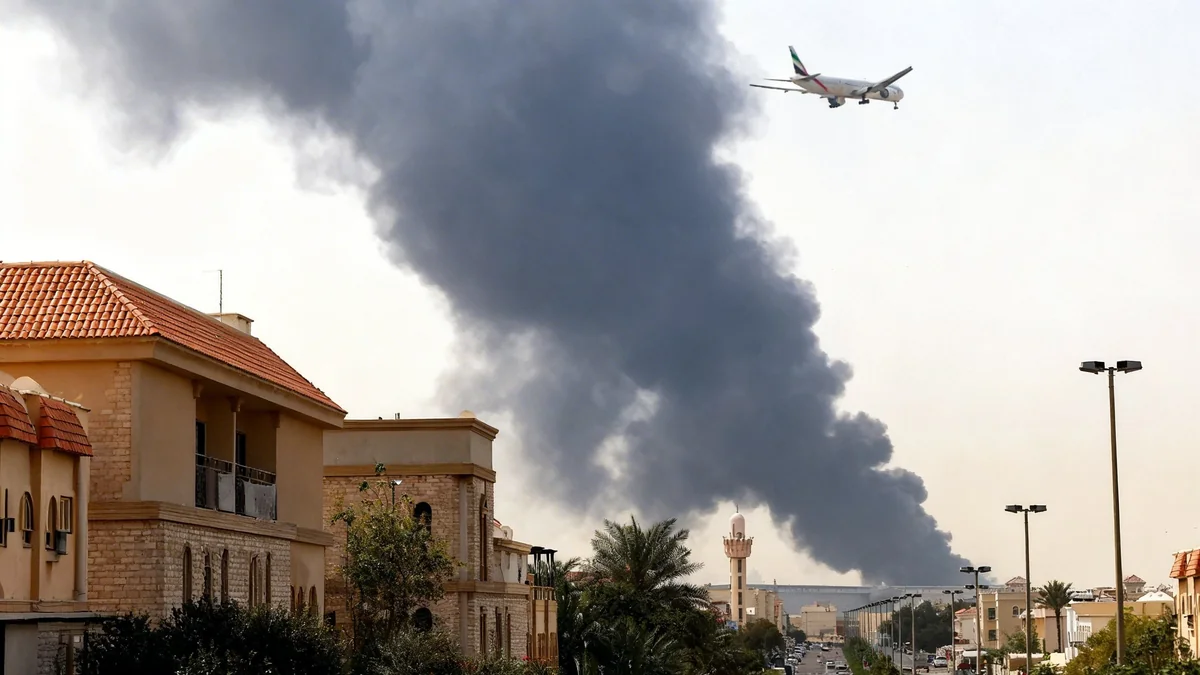
European aerospace manufacturer Airbus has mandated an immediate software update for a significant number of its A320 family aircraft. This directive follows a recent incident where intense solar radiation may have corrupted critical flight control data. The required changes could lead to operational disruptions for airlines and passengers, particularly during busy travel periods.
Key Takeaways
- Airbus orders immediate software update for A320 family jets.
- Solar radiation potentially corrupted flight control data in a recent incident.
- Updates may cause travel delays for airlines like Lufthansa and easyJet.
- Around 6,000 jets are part of the A320 family worldwide.
- Some aircraft may require hardware changes, extending disruption.
Solar Radiation Incident Prompts Urgent Action
The decision by Airbus stems from an incident that occurred on October 30. A JetBlue flight traveling from Cancun, Mexico, to Newark, New Jersey, experienced a flight control problem. This issue led to a sudden, uncommanded drop in altitude, forcing the aircraft to make an emergency landing in Tampa, Florida. Several individuals on board required hospital attention.
Investigators determined that intense solar radiation might have been responsible for corrupting data essential to the aircraft's flight control systems. This finding triggered an urgent review across the A320 fleet.
Fact Check
The Airbus A320 family includes the A318, A319, A320, and A321 models. These jets are widely used by major global carriers, including Lufthansa, easyJet, and Delta Air Lines. Approximately 6,000 A320 family jets are currently in service worldwide.
Potential for Widespread Travel Delays
Airbus acknowledged that these mandatory software recommendations will likely cause operational disruptions for both customers and passengers. The company stated, "Airbus has consequently identified a significant number of A320 Family aircraft currently in-service which may be impacted."
Industry sources suggest that the scale of this operation could affect the entire global A320 fleet. With thousands of aircraft needing updates, the logistical challenge is substantial. Airlines are now working to implement the necessary changes while minimizing impact on their schedules.
"Airbus acknowledges these recommendations will lead to operational disruptions to passengers and customers," the company stated in its official communication regarding the software changes.
Impact on Major Airlines
Major operators of the A320 family, such as Lufthansa, easyJet, and Delta Air Lines, will need to schedule their aircraft for these updates. This process involves taking jets out of service, which can reduce available capacity. This reduction could lead to flight delays or cancellations, especially during peak travel periods.
The timing of these disruptions is particularly sensitive. Millions of travelers often use airlines for holiday periods, making any operational changes challenging for carriers and passengers alike.
Understanding Solar Radiation
Solar radiation consists of energy emitted by the sun. While Earth's atmosphere typically protects us, intense solar events, like solar flares or coronal mass ejections, can increase radiation levels. These events can affect satellites, communication systems, and potentially sensitive electronic equipment on aircraft, though such incidents affecting flight controls are rare.
Beyond Software: Possible Hardware Changes
The immediate concern focuses on software updates. However, some industry experts indicate that a portion of the A320 fleet may require hardware modifications. These hardware changes would be more complex and time-consuming than software updates.
If hardware changes become necessary for a large number of aircraft, the disruption could extend for weeks. This would place additional strain on airline operations and maintenance schedules. Airlines are preparing for various scenarios as Airbus provides more detailed instructions.
What Passengers Should Know
Passengers flying on A320 family jets in the coming weeks should monitor their flight status closely. Airlines will likely communicate any specific delays or cancellations related to these updates. While the updates are for safety, their implementation requires careful planning to ensure minimal passenger inconvenience.
The aviation industry prioritizes safety above all else. These immediate actions by Airbus underscore that commitment. The goal is to ensure all aircraft operate with the most secure and reliable flight control systems available.