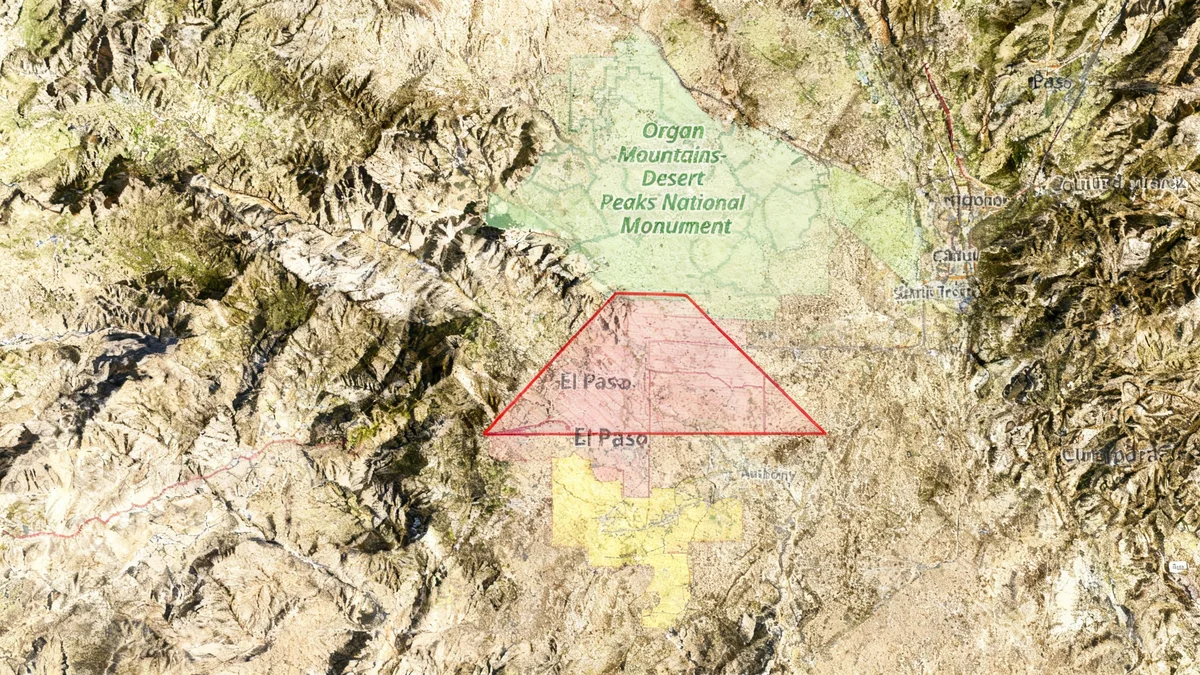
All flights to and from El Paso International Airport have been grounded. This restriction also affects airspace over Santa Teresa, New Mexico. The Federal Aviation Administration (FAA) issued the flight restriction, which appears to be security-related, effective February 10 at 11:30 p.m. MST. It is set to remain in place until February 20 at 11:30 p.m. MST. The FAA has not provided specific details regarding the nature of the security concerns.
Key Takeaways
- All flights at El Paso International Airport are grounded.
- Airspace in Santa Teresa, New Mexico, is also affected.
- The flight restriction is in effect from February 10 to February 20.
- The FAA cites national defense as the reason for the closure.
- Commercial, cargo, and general aviation flights are included.
Widespread Impact on Air Travel
The grounding impacts all types of flights. This includes commercial passenger planes, cargo aircraft, and general aviation. Travelers planning to fly into or out of El Paso should contact their airlines directly. Airlines will have the most current information regarding flight status and rebooking options.
The closure spans a significant period, lasting for 10 days. This duration suggests a substantial security concern or operational requirement. Such extensive airspace closures are uncommon and typically reserved for high-level events or national defense exercises.
Fast Facts
- Start Date: February 10, 2026, 11:30 p.m. MST
- End Date: February 20, 2026, 11:30 p.m. MST
- Duration: 10 days
- Affected Areas: El Paso International Airport (ELP) and Santa Teresa, New Mexico airspace
- Flight Types: Commercial, cargo, and general aviation
FAA Cites National Defense
The FAA's official statement refers to the restriction as security-related and linked to national defense. However, no further explanation has been made public. This lack of specific information has led to speculation among the public and within the aviation community.
Air traffic controllers are managing reroutes for flights that would typically pass through this airspace. The immediate priority is ensuring the safety of all aircraft and passengers outside the restricted zone. Airlines are working to adjust schedules and inform affected customers.
"Travelers are asked to contact their airlines for up-to-date flight status information," an airport advisory stated.
Disruption for Passengers and Cargo
This 10-day grounding presents significant challenges for both passengers and businesses. Commercial airlines must cancel or reroute numerous flights, leading to delays and missed connections for thousands of travelers. Cargo operations are also disrupted, potentially affecting supply chains and delivery schedules for goods passing through the region.
The El Paso International Airport serves as a key hub for travel in the Borderland region. Its closure affects not only local residents but also those traveling to and from nearby areas in Texas and New Mexico.
Understanding Airspace Restrictions
Airspace restrictions, often called Temporary Flight Restrictions (TFRs), are issued by the FAA for various reasons. These can include VIP movement, major public events, natural disasters, or national security. When a TFR is issued for security or national defense, details are often limited to prevent compromising ongoing operations or intelligence.
Economic Impact on the Region
The grounding of all flights for over a week will likely have an economic impact on the El Paso region. Local businesses that rely on air travel, such as hotels, car rental agencies, and airport vendors, may experience a downturn. The disruption to cargo flights could also affect trade and logistics operations in the border area.
Government officials have not yet commented on the broader economic implications. However, the extended nature of the restriction suggests a significant event that warrants such measures.
What Travelers Should Do
For those with travel plans involving El Paso International Airport or the affected New Mexico airspace, the primary advice remains to contact your airline. Websites and social media channels of the airlines and the airport may also provide updates.
Consider alternative travel arrangements if possible, especially for time-sensitive journeys. Road travel might be the only option for many individuals needing to reach or depart from the area during this period.
Past Airspace Incidents
While specific national defense-related closures are rare, the FAA routinely issues TFRs. These can be for events like presidential visits or large sporting events. The current closure is notable for its duration and the broad scope of affected flights and airspace.
Ongoing Monitoring and Updates
Authorities will continue to monitor the situation. Any changes to the flight restriction will be communicated through official channels, including the FAA and airport advisories. The public is urged to rely on these official sources for accurate information.
The situation highlights the FAA's authority to implement immediate and sweeping measures when national security is a concern. The decision to ground all flights underscores the seriousness of the underlying reasons, even if those reasons remain undisclosed to the public.