
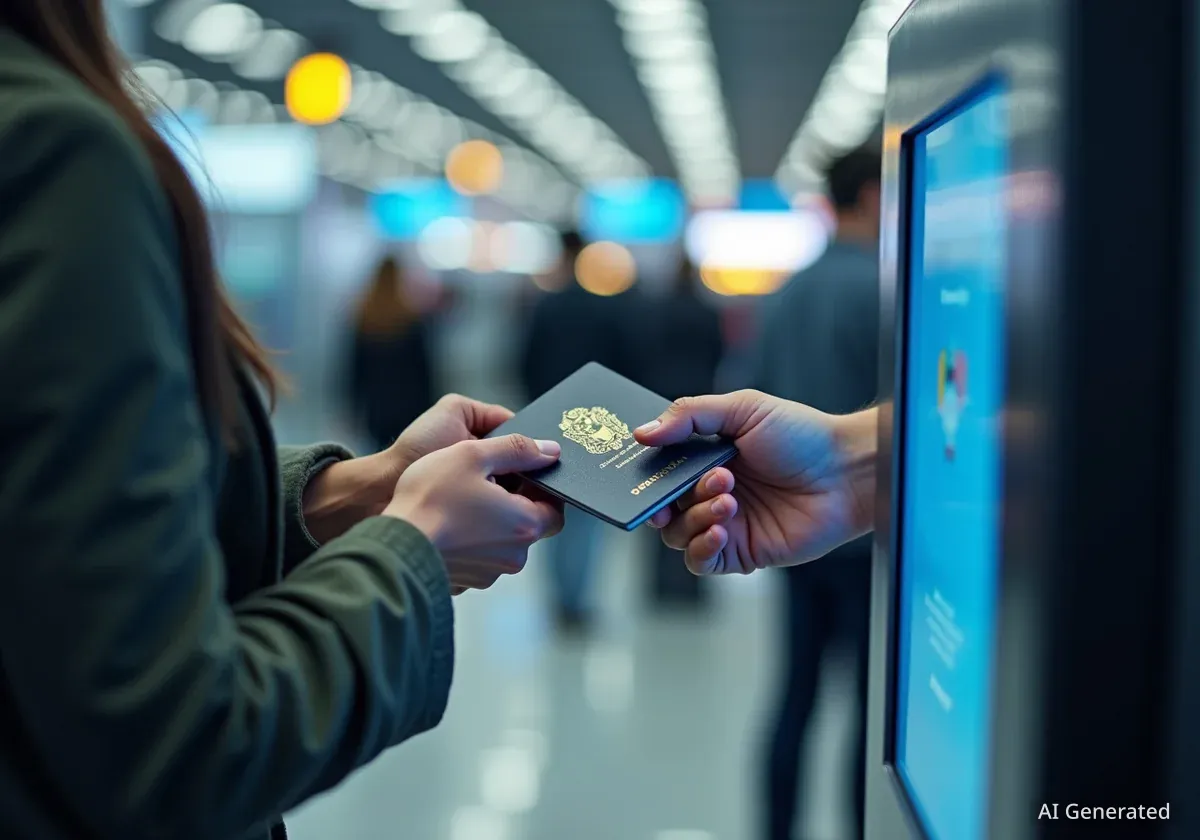
Travelers passing through airport security without valid identification may soon face an additional charge. The Transportation Security Administration (TSA) plans to implement an $18 fee for passengers unable to present a Real ID or passport at checkpoints. This new measure aims to cover the costs of a modernized identity verification system that relies on biometric data rather than traditional documents or interviews.
This initiative marks a significant change in airport security protocols. It directly impacts individuals who might forget their identification or do not possess the required documents for air travel.
Key Takeaways
- Travelers without valid ID will pay an $18 fee at airport security.
- The fee supports a new biometric identity verification program.
- This program aims to modernize security checks and reduce reliance on physical documents.
Understanding the New TSA Policy
The proposed $18 fee is not a penalty. Instead, the TSA states it will cover the expense of an “alternative identity verification program.” This program will use biometrics to confirm a traveler's identity when they lack standard documents.
Currently, passengers without ID undergo a more extensive screening process. This includes interviews with security officers and additional physical checks. The new biometric system seeks to streamline this process while maintaining security standards.
Why the Change Now?
The move towards biometric verification aligns with global trends in travel security. Many airports worldwide are exploring or already using facial recognition and fingerprint scanning. These technologies promise faster processing times and enhanced accuracy.
The TSA's goal is to reduce delays associated with manual identity verification. This could potentially improve the overall passenger experience, especially for those who misplace or forget their ID.
Fact Check
The fee is specifically for those without a Real ID or passport, not for all travelers. Real ID compliance has been a major focus for the TSA in recent years.
Impact on Travelers
This new fee will primarily affect a specific group of travelers. These are individuals who arrive at the airport without a Real ID-compliant driver's license, a state-issued enhanced driver's license, or a valid passport.
For most passengers who consistently carry proper identification, there will be no change. However, it serves as a reminder for all travelers to double-check their documents before heading to the airport.
"The agency believes this modernized approach will enhance security while also offering a more efficient process for travelers who find themselves without traditional identification," a TSA spokesperson explained.
Biometrics and Privacy Concerns
The introduction of biometric identity verification often raises privacy questions. Travelers may wonder how their biometric data will be stored, used, and protected. The TSA has indicated that the program aims for high security and privacy standards.
Further details on data handling and traveler consent are expected as the program develops. Transparency in these areas will be crucial for public acceptance.
Context
The Real ID Act, passed in 2005, set new standards for state-issued driver's licenses and identification cards to be accepted for federal purposes, including boarding domestic flights. Enforcement has seen several delays, with the latest deadline set for May 7, 2025.
Preparing for Future Travel
Travelers should ensure their identification meets current TSA requirements. Obtaining a Real ID or keeping a passport readily accessible are the best ways to avoid the new fee.
The TSA website provides comprehensive information on acceptable forms of identification. Passengers can review these guidelines to confirm their documents are in order.
- Check ID Expiration Dates: Ensure your passport or driver's license is not expired.
- Verify Real ID Compliance: Look for the star symbol on your state-issued driver's license or ID card.
- Consider a Passport Card: This smaller, less expensive alternative to a passport book is valid for domestic air travel.
Long-Term Vision for Airport Security
This $18 fee and the underlying biometric program are part of a larger strategy. The TSA is continuously evaluating new technologies to enhance security and improve efficiency. Biometrics offer a path toward a future where security checks are less reliant on physical documents and more on advanced, verifiable identity markers.
The agency expects these changes to contribute to a more seamless and secure travel experience for everyone.