FORT WORTH, Texas — American Airlines is implementing significant operational changes at Dallas Fort Worth International Airport (DFW), its largest hub. These adjustments are designed to enhance efficiency, improve customer experience, and increase resilience against disruptions. The new strategy, which includes a revamped flight schedule and substantial investments in infrastructure, is expected to benefit the nearly 700,000 customers the airline serves daily across its global network.
DFW plays a critical role in American's operations, handling over 30% of all daily connecting customers and checked bags. When DFW runs smoothly, American's entire network benefits. The airline is investing millions of dollars to fortify its DFW hub, ensuring a more reliable travel experience.
Key Takeaways
- American Airlines is shifting from a 9-bank to a 13-bank flight structure at DFW.
- The new schedule aims to improve on-time performance and reduce delays.
- Millions are being invested in increased block time and remote deplaning capabilities.
- Customers will see more early-morning departure options and better connection times.
- The changes are designed to boost resilience against weather disruptions.
New Flight Bank Structure at DFW
For more than a decade, American's schedule at DFW has operated on a 9-bank structure. This system groups large clusters of flights, coordinating arrivals and departures to facilitate quick connections. Starting in April, with schedules visible from December 27, American will transition to a 13-bank structure.
This change provides greater certainty for the average 100,000 peak daily customers traveling on more than 930 daily departing flights from DFW. The expanded bank structure spreads flights more evenly throughout the day, easing congestion at gates, security checkpoints, and baggage claim areas.
"As the operating environment and our customers’ expectations have evolved in the last 10 years, our approach at our largest and most impactful hub must also evolve," said Jim Moses, Senior Vice President of DFW Operations. "We’re making this significant shift while maintaining the same breadth, depth and schedule quality our customers expect and depend on."
Improved Customer Experience
The new schedule offers several benefits for passengers. Customers will experience more improved early-morning departure times compared to 2025. This means a greater number of departure options during highly desired time windows.
Additionally, fewer early morning arrivals into DFW are planned, which is particularly good news for customers making morning connections through the hub. This adjustment aims to reduce stress and improve the overall flow of passengers through the airport.
DFW Impact
More than 30% of all daily connecting customers and daily connecting checked bags travel through DFW, American's hometown airport.
Investment in Block Time and Resilience
Beyond the schedule restructuring, American Airlines is making a significant investment in block time for flights to and from DFW and across its network. Block time refers to the total scheduled duration from pushback at the departure gate to arrival at the destination gate. Increasing this time allows for more realistic flight durations.
This investment is designed to ensure more on-time departures, leading to a higher percentage of on-time arrivals and fewer delays. The goal is to create a smoother and more predictable travel experience for passengers, bolstering American's ability to get customers and their luggage to their destinations on time.
Spreading Customer Volume
By spreading out the DFW flight schedule, American is also distributing customer volume throughout the day. This includes local customers arriving at parking garages, checking in at lobbies, and clearing security. For connecting customers, it means less crowding as they navigate terminals to their next flights.
These changes complement other ongoing investments aimed at enhancing the customer experience at American’s flagship hub. They also enable future growth, which could mean more flight and destination options for travelers.
Operational Challenges
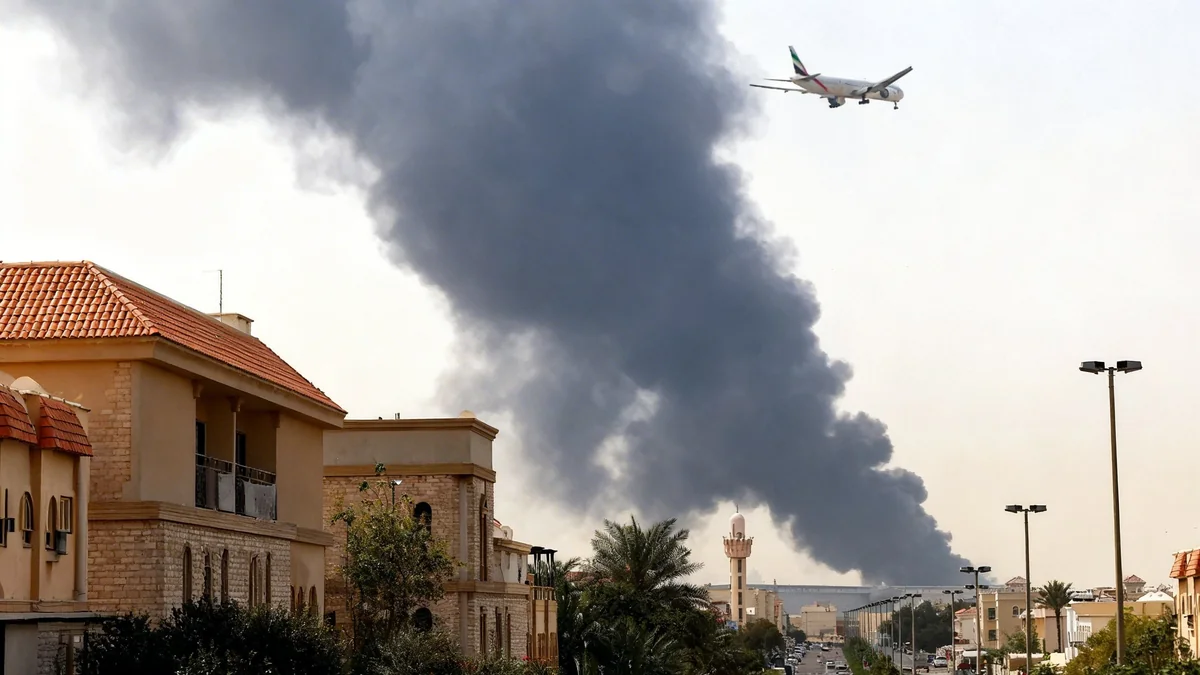
DFW has recently faced a disproportionate amount of severe weather, particularly thunderstorms, which can halt airport operations. The new schedule is designed to provide greater resilience in these situations, allowing American to recover quicker once conditions clear.
Enhancing Weather Recovery and Diversion Management
American Airlines states it recovers better from bad weather and irregular operations than any other airline. The airline's central location at DFW offers significant benefits for connections, but the airport's susceptibility to severe weather poses challenges.
The new 13-bank schedule structure will provide far greater resilience during weather events. This means less adverse impact on operations and a quicker recovery, allowing the airline to resume normal service as soon as conditions improve.
"Our investment in operational resilience extends beyond our DFW schedule," Moses added. "We know the negative impact flight diversions have on our customers. They’re also incredibly disruptive to the broader airline, especially as they create congestion at airports which often limits our ability to get aircraft to a gate and importantly, deplane customers."
To address flight diversions, American is investing millions of dollars in additional remote deplaning capabilities at DFW. This includes new equipment, bussing services, and increased staffing. The aim is to reduce the number of flights that need to be diverted away from DFW, minimizing inconvenience for passengers and operational disruptions for the airline.
Future Growth
The current changes are also laying the groundwork for future expansion, potentially leading to more flight and destination options for American Airlines customers.
Long-Term Benefits for Travelers
These operational shifts at DFW represent a comprehensive effort by American Airlines to modernize its hub strategy. The focus on improved scheduling, increased block time, and enhanced resilience against weather aims to create a more consistent and reliable travel experience.
For passengers, this translates to a higher likelihood of on-time departures and arrivals, smoother connections, and a less stressful journey through one of the busiest airports in the United States. The airline's proactive investments underscore its commitment to operational excellence and customer satisfaction.