Cuba has issued a warning to airlines regarding potential difficulties in refueling at its airports. The alert comes amid increasing pressure and sanctions, which are impacting the island nation's ability to secure aviation fuel. This development could significantly affect international flight operations to and from Cuba.
Key Takeaways
- Cuba warns airlines of potential refueling issues at its airports.
- The warning is linked to ongoing sanctions and economic pressures.
- International flight operations to Cuba could face disruptions.
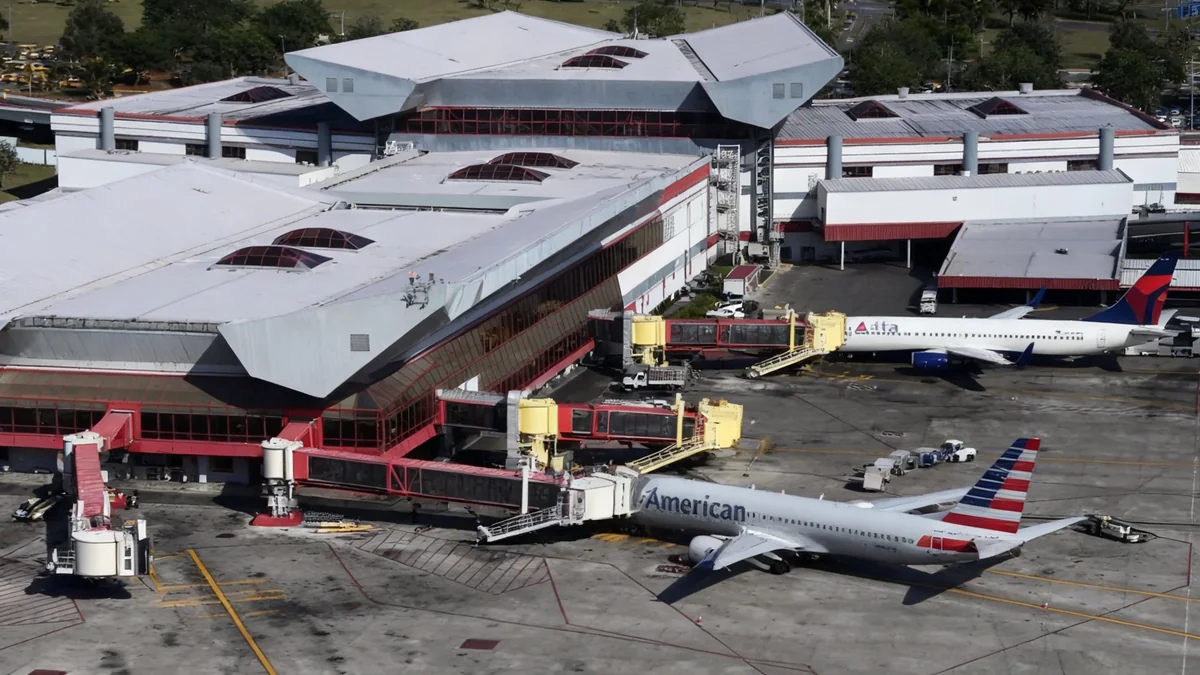
- Jose Marti International Airport in Havana is among those affected.
Impact on Aviation Operations
The Cuban government has communicated directly with airlines, advising them of possible fuel shortages. This situation suggests a tightening of resources, making it harder for carriers to plan their routes to the country. Airlines rely on consistent fuel availability for their operations.
Without reliable fuel, airlines may need to carry extra fuel for round trips or plan for refueling stops in other countries. Both options increase operational costs and flight times. Such changes can lead to higher ticket prices for passengers or reduced flight frequencies.
Fact Check
- Jose Marti International Airport in Havana is Cuba's largest and busiest airport. It serves as a primary gateway for international travelers.
- Aviation fuel, or jet fuel, is a specialized type of petroleum-based fuel used to power turbine aircraft.
Economic Sanctions and Fuel Access
The challenges in fuel supply are directly connected to international sanctions. These measures restrict Cuba's access to global financial markets and certain goods, including refined petroleum products. The country largely depends on imports for its fuel needs.
The sanctions aim to pressure the Cuban government. However, they also create ripple effects across various sectors, including the travel industry. Airlines operating to Cuba often face unique logistical hurdles due to these restrictions.
"The ongoing sanctions create a complex environment for any business operating in Cuba, and aviation is no exception. Fuel is a critical component for airlines, and any uncertainty impacts their ability to serve the destination."
Potential for Flight Disruptions
Airlines are now evaluating how these warnings will affect their schedules. Some carriers might choose to reduce their flight offerings to Cuba. Others might suspend service entirely if the fuel situation becomes too unpredictable or costly.
Travelers planning trips to Cuba should monitor airline announcements closely. There is a possibility of flight delays, cancellations, or changes in routing. This uncertainty adds another layer of complexity for international tourism, a vital part of Cuba's economy.
Historical Context of Restrictions
Background Information
Cuba has faced various forms of economic restrictions for decades. These measures have historically impacted its access to essential goods, technology, and financial services. The current situation highlights how these long-standing pressures continue to affect everyday operations and international engagement.
The aviation sector, being highly dependent on global supply chains and international agreements, is particularly vulnerable to such economic pressures. Fuel is a commodity traded globally, and restrictions can disrupt its flow to specific regions.
The recent warnings are not an isolated event. They reflect a broader pattern of economic challenges faced by Cuba. The government has consistently highlighted the difficulties created by these external pressures.
Airlines must now adapt to this evolving situation. They will need to implement contingency plans to minimize disruptions for passengers. This could involve securing fuel from alternative sources, if possible, or adjusting their operational models.
Looking Ahead
The long-term impact on Cuba's tourism sector remains to be seen. If fuel access becomes a persistent problem, it could deter airlines from serving the destination regularly. This would further isolate the island and reduce its international connectivity.
For travelers, the situation underscores the importance of flexible travel plans and purchasing travel insurance. The coming weeks will likely reveal the full extent of how airlines will respond to Cuba's fuel supply warnings.
The situation at Jose Marti International Airport and other Cuban airports will be closely watched by the international aviation community. The ability to refuel aircraft is fundamental to maintaining air links, and any disruption can have wide-ranging effects.