India's largest airline, IndiGo, has canceled more than 1,000 flights, leaving thousands of travelers stranded across the country. The widespread disruption stems from the carrier's failure to adequately prepare for new, stricter pilot fatigue regulations that came into effect on November 1.
The crisis, now in its fourth day, has prompted government intervention and a public apology from the airline's CEO, with a full return to normal operations not expected until mid-December.
Key Takeaways
- IndiGo has canceled over 1,000 flights, severely impacting major hubs like Delhi, Mumbai, and Bengaluru.
- The cancellations are a direct result of new government regulations designed to reduce pilot fatigue and improve air safety.
- IndiGo CEO Pieter Elbers has publicly apologized, acknowledging the airline failed to plan for the new rules.
- India's aviation authority has granted IndiGo temporary exemptions to some rules to help manage the crisis.
- The airline does not anticipate a full return to normal service until between December 10 and December 15.
Widespread Disruption Grips Indian Airports
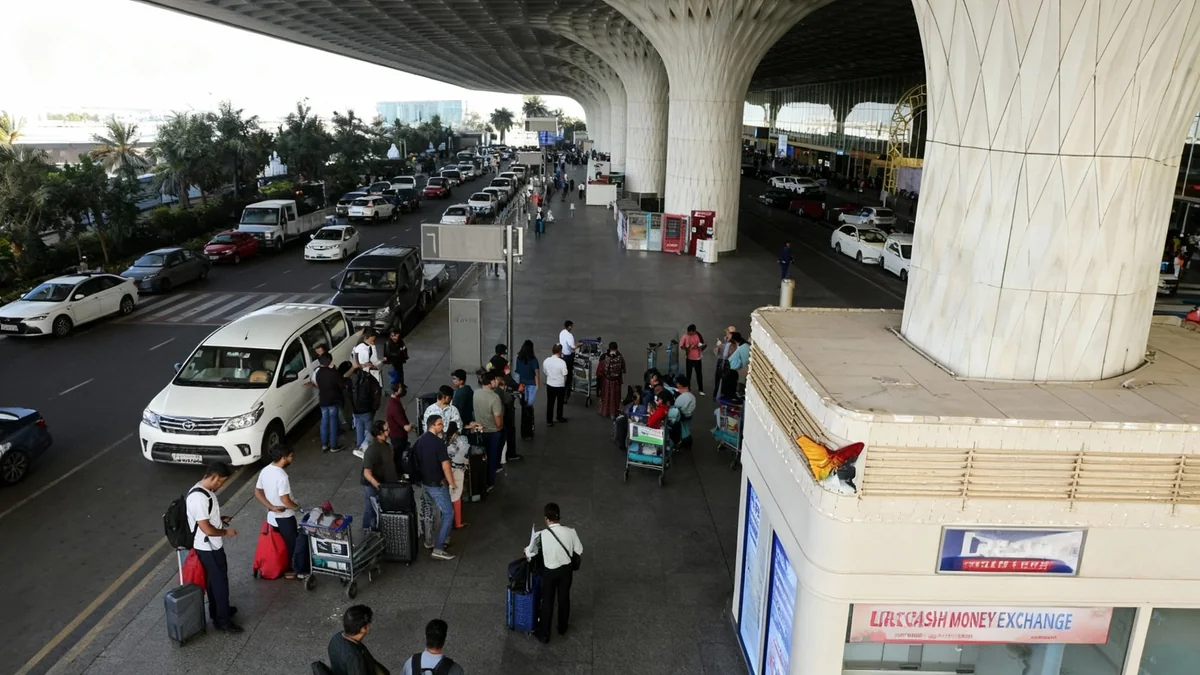
Travel plans for tens of thousands of passengers were thrown into disarray this week as IndiGo's flight schedule collapsed. Major airports across India have become scenes of frustration and confusion, with long lines forming at ticketing counters and gates.
In New Delhi, authorities confirmed that all 235 of IndiGo's scheduled departures were canceled on Friday. Other major cities faced similar turmoil, with 165 flights grounded in Mumbai, 102 in Bengaluru, and 92 in Hyderabad, according to airport sources.
Social media platforms have been flooded with images and videos capturing the passenger experience. Footage from Bengaluru airport showed crowds of stranded travelers chanting in protest. Another post from Delhi's terminal depicted young children waiting since the early morning hours for a flight that would not depart.
By the Numbers: A Schedule in Disarray
- 1,000+ flights canceled by IndiGo on Friday alone.
- 235 departures grounded in New Delhi.
- 165 flights canceled in Mumbai.
- 9% drop in IndiGo's share price this week, its worst performance since June 2022.
New Safety Rules at the Core of the Crisis
The operational breakdown is linked to new Flight Duty Time Limitations (FDTL) introduced by India's Directorate General of Civil Aviation (DGCA). These rules are designed to enhance air travel safety by giving pilots more rest and reducing fatigue.
Key Regulatory Changes
The updated regulations introduced several significant changes for airline operations. One of the most impactful rules reduces the number of permitted night-time landings for a pilot from six per week down to just two. This change aims to mitigate the risks associated with operating during circadian lows.
Additionally, the mandatory weekly rest period for pilots has been increased by 12 hours, moving from 36 hours to a continuous 48-hour block. This ensures pilots have a more substantial recovery period between duty cycles.
Context: Why The New Rules?
The push for stricter pilot rest regulations in India aligns with global efforts to combat pilot fatigue, a known factor in aviation incidents. By limiting night flights and extending rest periods, regulators aim to improve pilot alertness and decision-making capabilities, thereby enhancing overall flight safety for the public.
While other major Indian carriers like Air India and Akasa have reportedly adapted to the new framework without significant disruptions, IndiGo has struggled. The airline's CEO, Pieter Elbers, admitted to a failure in planning ahead of the November 1 deadline.
Airline and Government Response
Facing a full-blown operational crisis, IndiGo's leadership has publicly addressed the situation. CEO Pieter Elbers issued an apology to customers for the severe disruptions.
"I do understand that these disruptions … have shaken (customers’) belief in IndiGo’s reliability," Elbers stated in his first public remarks on the matter.
He acknowledged that restoring the airline's full schedule would take time, estimating a return to a "full, normal situation" between December 10 and December 15. Initially, the airline had indicated to officials that full restoration might not happen until February 10, but a more optimistic timeline was presented Friday, with "progressive improvement" expected to begin Saturday.
Government Grants Temporary Relief
In response to a request from the airline, India's civil aviation regulator has granted IndiGo some temporary exemptions to help it stabilize operations. The rule limiting pilots to two night-time landings per week has been put on hold for IndiGo until February 10.
The airline was also granted a temporary exemption from a rule concerning maximum flight duty periods for certain night flights. However, the government did not waive the new, stricter requirement for a 48-hour continuous weekly rest period for pilots, underscoring its commitment to this key safety measure.
The head of India's aviation regulator has appealed to pilots for their cooperation, emphasizing that the body remains committed to implementing the new duty rules in "letter and spirit" in the long term.
What Stranded Passengers Can Expect
For travelers caught in the chaos, IndiGo has announced measures to provide assistance. The airline has stated it will offer waivers on all cancellations and booking changes for travel scheduled between December 5 and December 15.
IndiGo has also arranged for ground transportation and secured thousands of hotel rooms to accommodate customers left stranded by the sudden cancellations. Passengers affected by the disruptions are advised to contact the airline directly for rebooking options and information on compensation and amenities.
The situation remains fluid, but with temporary regulatory relief and a focus on stabilizing the schedule, the airline hopes to mitigate the impact on travelers during the peak December travel season.