
Beginning February 1, air travelers without a Real ID or other accepted identification will face a new $45 fee. The Transportation Security Administration (TSA) announced this charge for its new identity verification system, TSA Confirm.ID, targeting passengers who do not possess a federally compliant ID.
Key Takeaways
- Travelers without a Real ID or other approved document will pay a $45 fee starting February 1.
- The fee covers identity verification through the TSA Confirm.ID system.
- Verification is valid for 10 days, requiring re-payment for subsequent trips outside this window.
- TSA urges all travelers to obtain a Real ID to avoid fees and potential delays.
- Over 94% of passengers already use Real IDs or other acceptable identification.
New Fee for Identity Verification
The new $45 fee applies to individuals who arrive at airport security checkpoints without a Real ID, passport, or other approved identification. These travelers will be directed to the TSA Confirm.ID process. This system is designed to verify a passenger's identity through a series of questions.
According to the TSA, this fee ensures that travelers, not taxpayers, cover the cost of the advanced verification system. Adam Stahl, a TSA official, confirmed this stance in a recent statement.
Fact Check
- Fee Amount: $45 per verification.
- Effective Date: February 1.
- Verification Window: 10 days.
Understanding TSA Confirm.ID
The TSA Confirm.ID process involves passengers answering specific questions about themselves to confirm their identity. Once successfully verified, the passenger receives a receipt. This receipt is then presented to a screening agent at the TSA checkpoint, allowing them to proceed through security.
The TSA warned that passengers opting not to pay the $45 fee could face denial of entry at checkpoints. This new policy follows the agency's May requirement for Real IDs or other approved documents for air travel.
Potential for Delays and Confusion
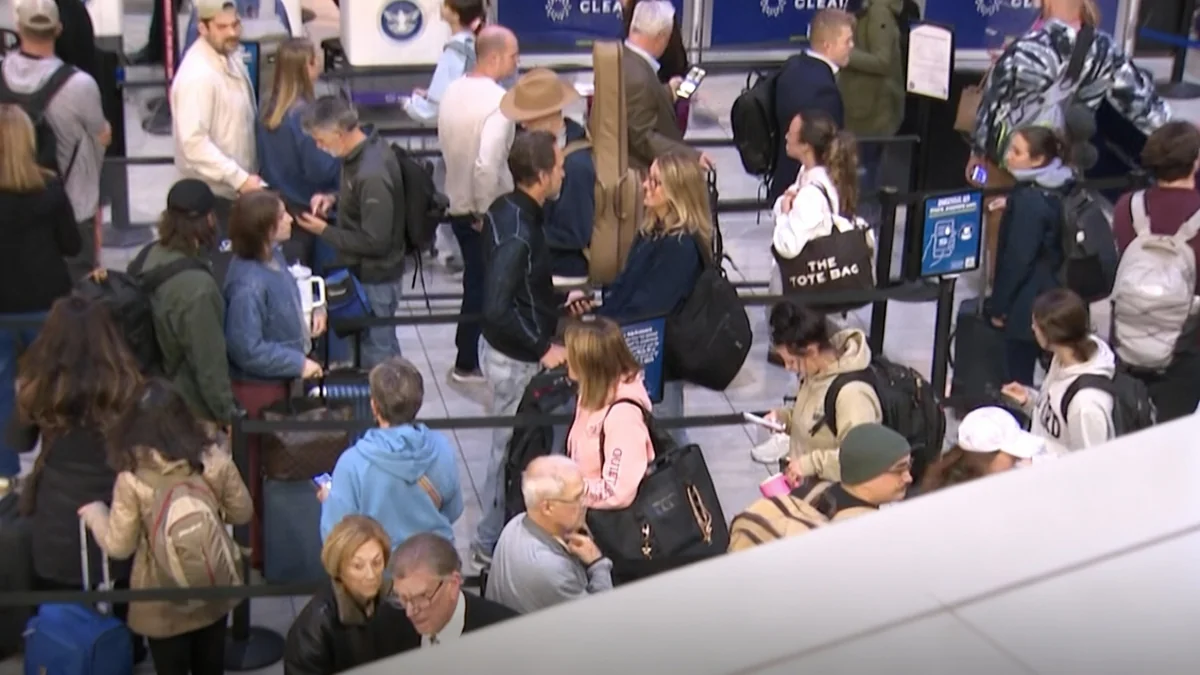
The agency acknowledges that travelers without Real IDs could experience longer wait times. The verification process may vary from airport to airport. The TSA is working with private vendors to allow pre-payment for the screening process before travelers arrive at the airport.
"This policy creates a bizarre situation where your identity expires like a carton of milk," said Julian Kheel, travel expert and founder of Points Path. "After those 10 days pass, you're back to square one, forced to pay another $45 even though nothing about your actual identity has changed."
What is a Real ID?
A Real ID is a federally compliant state driver's license, learner's permit, or non-driver ID card. It is easily identifiable by a black or gold star located in the upper right corner. These IDs meet enhanced security standards set by federal law.
Accepted Forms of Identification
Travelers who possess a Real ID or other accepted forms of identification will not incur the $45 fee. The TSA provides a comprehensive list of compliant documents. These include:
- State-issued Enhanced Driver's License (EDL) or Enhanced ID (EID)
- U.S. or foreign government-issued passport
- U.S. passport card
- DHS trusted traveler cards (Global Entry, NEXUS, SENTRI, FAST)
- U.S. Department of Defense ID
- Permanent resident card
- Border crossing card
The TSA's official website offers a complete list of all acceptable ID types.
Impact on Travelers
While the new fee is intended to cover verification costs, some travel experts express concerns. They suggest the policy could disproportionately affect lower-income Americans. The 10-day verification window has also been a point of contention, with experts highlighting the inconvenience of repeated payments for frequent travelers.
Currently, more than 94% of passengers already use Real IDs or other acceptable forms of identification. This indicates that the new fee will primarily impact a smaller segment of the traveling public.
Cost of Obtaining a Real ID
The cost to obtain a Real ID varies by state. In New York, for example, there is no additional fee beyond the standard cost of a driver's license or renewal. However, states like Pennsylvania charge a "one-time $30 Real ID fee" in addition to regular renewal costs. The TSA continues to encourage all travelers to visit their local Department of Motor Vehicles (DMV) to update their IDs.
This new system aims to enhance security while shifting the financial burden of identity verification for non-compliant travelers. Passengers are advised to plan ahead and ensure they have the necessary documentation to avoid delays and extra costs.