Delta Air Lines announced a $1.3 billion profit-sharing payout to its employees on February 13, a sum the airline states is larger than the combined profit-sharing pools of all other major North American carriers. This significant distribution highlights Delta's strategy of using variable compensation to boost employee morale, retain talent, and maintain high operational standards.
Key Takeaways
- Delta paid out $1.3 billion in profit sharing on February 13.
- This amount represents 8.9% of eligible annual earnings for employees.
- The payout is one of the top five in Delta's history.
- Since 2015, Delta has shared over $11 billion with employees through this program.
A Record-Setting Payout for Employees
The $1.3 billion payout for 2025 earnings marks a substantial bonus for Delta's workforce. Employees received an amount equal to approximately 8.9% of their eligible annual pay. For many, this translates to more than four weeks of additional income. This system rewards employees directly for the company's financial success.
Delta's profit-sharing formula is structured to incentivize performance. Employees receive 10% of the first $2.5 billion in company profits. They then receive 20% of any profits exceeding that $2.5 billion threshold. This tiered approach means that when the airline performs exceptionally well, employees see a larger share of the success.
Profit Sharing Snapshot
- Total Payout: $1.3 billion
- Employee Share: Approximately 8.9% of eligible annual pay
- Historical Total: Over $11 billion distributed since 2015
The distribution extends across Delta's network, with significant amounts reaching major hubs. Georgia, home to Delta's headquarters, saw the largest share, with $567.9 million distributed among 43,500 employees. New York followed, with $171.1 million going to 13,500 employees. Other states like Minnesota, Michigan, and California also received substantial portions of the payout.
Leadership Emphasizes Employee Value
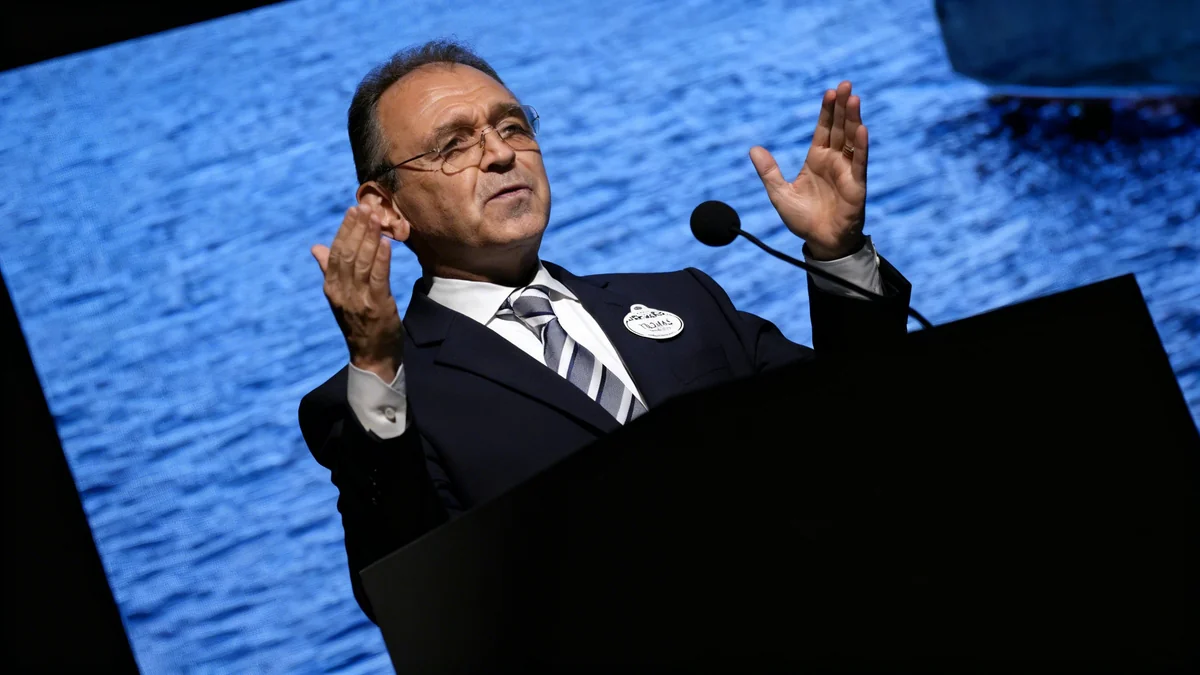
Delta's CEO, Ed Bastian, spoke about the importance of this profit-sharing initiative. He highlighted that sharing success is a core value for the airline. This practice helps to reinforce a culture where employees feel directly invested in the company's performance.
“Sharing our success is central to our values. That’s why we’ve paid more than $11 billion in profits directly to our employees worldwide since 2015. Congratulations to every member of the Delta team on this well-earned payout and thank you for your outstanding performance taking care of our customers in 2025.”
— Ed Bastian, CEO of Delta Air Lines
This statement underscores Delta's commitment to its workforce. The airline views these payouts not just as bonuses, but as a strategic tool. It helps to ensure that frontline teams remain focused on operational reliability and delivering premium customer service, which are key factors in Delta's market position.
Background on Delta's Strategy
Delta has long emphasized a 'people-first' approach. This profit-sharing model is a significant part of that strategy. It helps the airline attract and retain top talent in a competitive industry. By linking compensation directly to company performance, Delta aligns employee interests with overall business goals, such as on-time service and passenger experience.
Strategic Implications for Delta
The profit-sharing program offers several strategic advantages for Delta. It provides management with flexibility. Variable compensation allows the airline to reward employees generously during profitable years without committing to permanently higher fixed wages. This adaptability is crucial in an industry known for its economic cycles.
Furthermore, this compensation model strengthens Delta's position in labor negotiations and recruitment efforts. When competitors are often locked into lengthy contract cycles, Delta's ability to offer significant profit-sharing can be a powerful differentiator. This can translate into better operational reliability, especially when the airline faces peak demand or unexpected pressures.
Impact on Investors and Market Perception
For investors, the $1.3 billion payout reinforces Delta's confidence in its continued profitability. It also signals a clear willingness to share financial success with employees. This strategy suggests that Delta's competitive advantage lies not in lower labor costs, but in its ability to generate higher revenue per seat, a portion of which is then distributed.
Interestingly, the stock market reaction to the announcement was muted. Delta shares closed around $69 on February 13, seeing a minor slide of about 0.7%. Analysts and investors largely expected this payout. The $1.3 billion figure had been previously disclosed as part of Delta's established profit-sharing formula. Therefore, the announcement was seen more as an execution of a known plan rather than a new, unexpected cost.
Many investors view this type of move as strategically positive. It supports employee morale and operational reliability without increasing fixed wage costs. The sheer size of Delta's profit pool also highlights the airline's financial performance gap compared to its industry peers. This consistent performance continues to influence labor relations across the airline sector.