Norwegian Cruise Line Holdings (NCLH) is undergoing significant internal changes to improve its operational efficiency and market performance. New CEO John Chidsey, who took the helm less than three weeks ago, has identified a siloed company culture and a lack of coordination as key areas needing immediate attention. This comes as the company faces increased scrutiny from an activist hedge fund.
Key Takeaways
- New CEO John Chidsey highlights a siloed culture and lack of coordination at NCLH.
- The company plans to optimize its organization and invest in technology and revenue management.
- A 40% increase in Caribbean capacity in Q1 was premature due to unready infrastructure.
- Luxury brands Oceania Cruises and Regent Seven Seas Cruises show strong performance.
- NCL brand faces pricing challenges in specific markets due to execution missteps.
New Leadership Identifies Internal Challenges
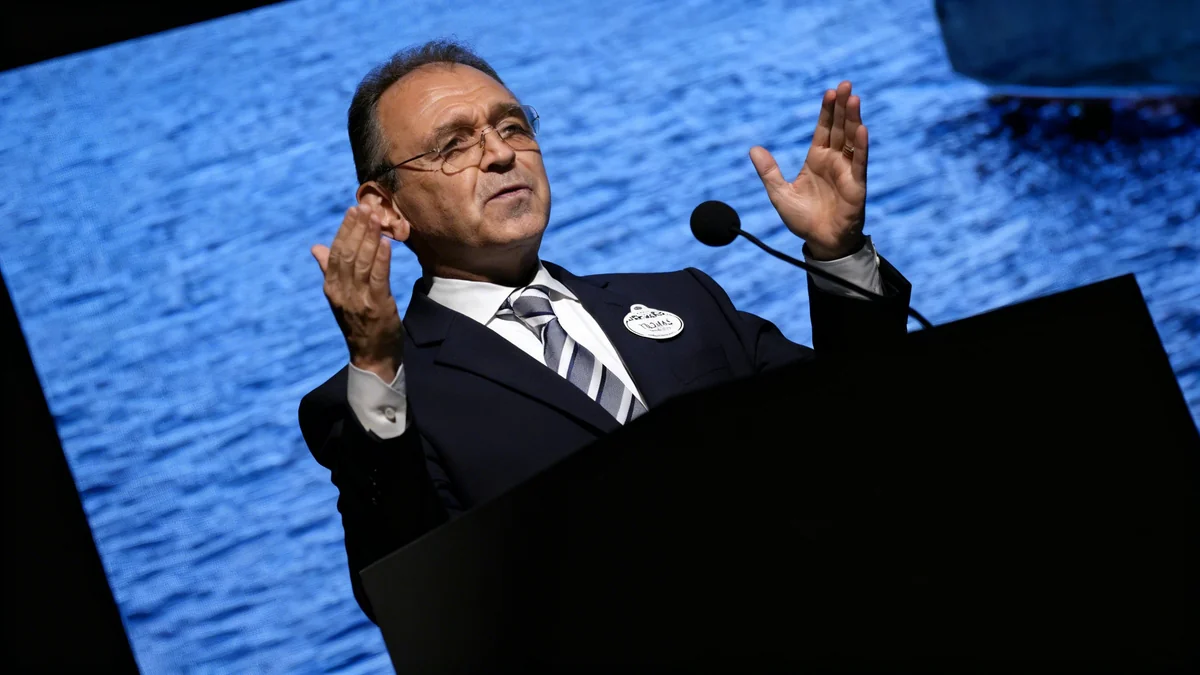
John Chidsey stepped into the CEO role on February 12, replacing Harry Sommer. His initial assessment points to a sound strategy but weak execution. Chidsey noted that the company's culture suffered from a "lack of a one-team mentality," which led to poor alignment and focus across departments.
He emphasized the urgent need to optimize the organization and eliminate bureaucratic hurdles. This internal review follows an announcement from activist hedge fund Elliott Investment Management, which seeks a strategic overhaul at NCLH, citing the company's underperformance compared to competitors.
Fast Fact
John Chidsey assumed the CEO position at Norwegian Cruise Line Holdings on February 12, beginning his tenure with an immediate focus on internal operational improvements.
Caribbean Capacity Increase Misses Coordination
CFO Mark Kempa provided a specific example of coordination issues during the Q4 earnings call. He detailed how the company increased its Caribbean capacity by 40% in the first quarter of this year. This significant increase occurred without the necessary enterprise-wide coordination.
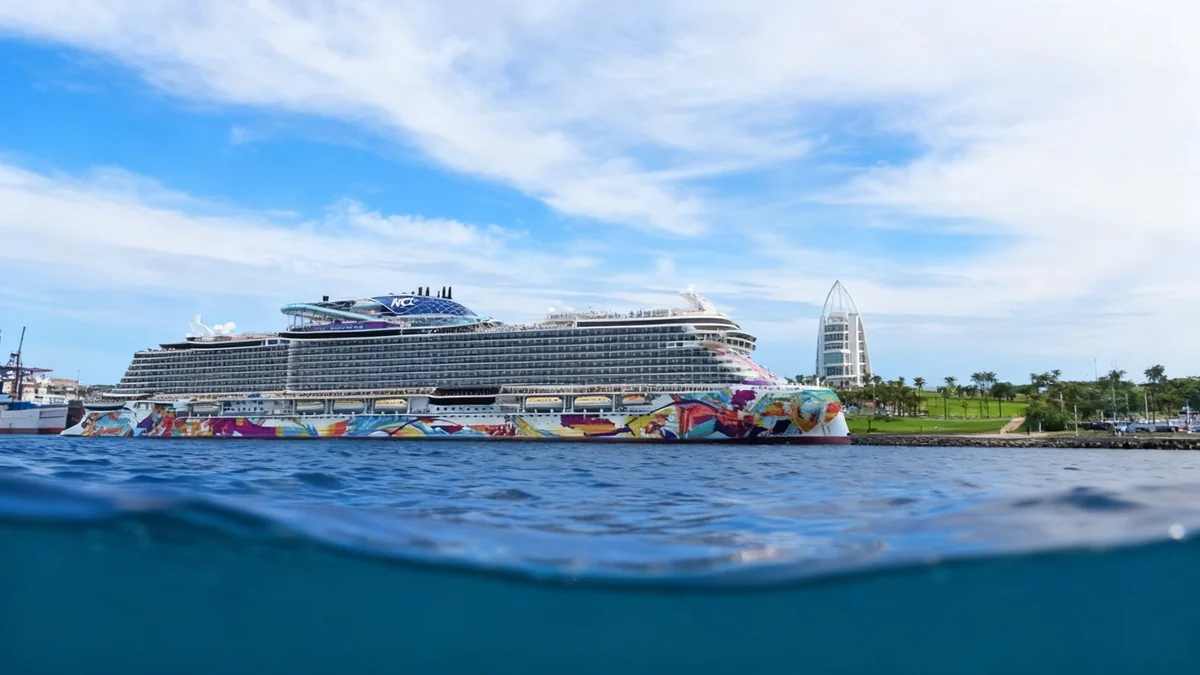
Kempa explained that the supporting infrastructure and commercial initiatives for Great Stirrup Cay, NCLH's private Bahamian island, were not ready. While a new pier and resort pool opened before the new year, the Great Tides Waterpark will not be operational until summer. This timing mismatch created headwinds for the company.
"The capacity increase was premature, as the supporting infrastructure and commercial initiatives around Great Stirrup Cay were not yet ready to support and accommodate the additional capacity," Kempa stated.
Impact on Revenue and Yields
The lack of alignment between revenue management, sales, marketing, itinerary planning, and on-island monetization strategies impacted performance. Kempa noted that individual components moved forward, but they were not integrated into a single, cohesive operating plan. This oversight is weighing on the company's expected performance for the full year.
Understanding the Challenge
When a cruise line increases capacity, it needs to ensure all supporting services, from marketing and sales to on-shore facilities, are ready. A disconnect can lead to unsold cabins, lower pricing, and reduced overall revenue.
Pricing Headwinds and Market Pressures
The NCL brand, in particular, is experiencing pricing headwinds in select markets. These issues stem from what Kempa described as "certain execution missteps." Specific problem areas include Caribbean and Bahamas sailings, as well as itineraries departing from the new homeport of Philadelphia.
In Europe, expected tailwinds for Q3 are not as strong as anticipated, again due to these internal execution challenges. Alaska also presents difficulties, with heightened industry-wide capacity from new entrants like MSC and Virgin Voyages putting pressure on yields.
- Caribbean and Bahamas sailings affected by execution issues.
- Philadelphia homeport itineraries face pricing challenges.
- European market tailwinds are weaker than projected.
- Alaska sees increased competition from new cruise lines.
Investment in Technology and Leadership
Chidsey plans to increase investments in technology, revenue management, and customer-facing systems. He believes the company has been underinvested in these crucial areas. Improving these systems is essential for better coordination and overall efficiency.
The new CEO expressed optimism about the recently installed leadership team. This includes Marc Kazlauskas, the new CEO of Norwegian Cruise Line. Chidsey highlighted Kazlauskas's strong track record in driving commercial performance and enhancing the guest experience, seeing his leadership as instrumental at the brand level.
Luxury Brands Shine Bright
Despite challenges in the NCL brand, the company's luxury portfolio is performing well. CFO Mark Kempa specifically praised Oceania Cruises and Regent Seven Seas Cruises, which operate under Chief Luxury Officer Jason Montague. These brands demonstrate strong market demand and effective execution.
The upcoming Oceania Sonata, scheduled for 2027, saw a record-breaking opening day for bookings. These bookings surpassed the launch of Oceania Allura by 45%. Regent Seven Seas also reported strong performance, with January bookings up 20% year-over-year. This highlights the robust demand for luxury cruise experiences.