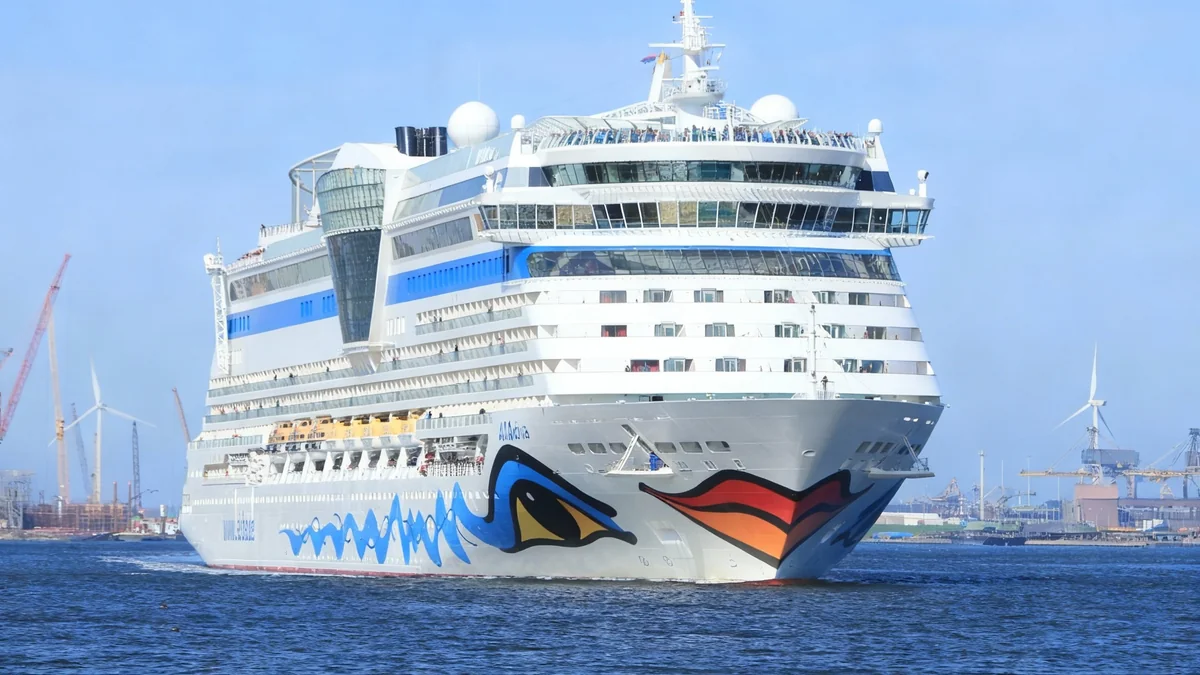

A norovirus outbreak recently sickened over 150 passengers and crew aboard a Princess cruise ship. The U.S. Centers for Disease Control and Prevention (CDC) confirmed the illness, which caused gastrointestinal symptoms during the vessel's Caribbean voyage.
Key Takeaways
- 104 guests and 49 crew members reported illness on the Star Princess.
- Symptoms included vomiting and diarrhea.
- The ship implemented increased cleaning and isolation measures.
- The CDC's Vessel Sanitation Program is investigating the incident.
Outbreak Details on Star Princess Voyage
The Star Princess cruise ship, operated by Princess Cruises, experienced a significant norovirus outbreak. A total of 104 guests and 49 crew members reported symptoms of gastrointestinal illness. This represents a notable portion of the 4,307 guests and 1,561 crew members on board.
The vessel began its eight-day Caribbean journey on March 7, departing from Fort Lauderdale, Florida. The planned itinerary included stops in Honduras, Belize, and the Mexican Riviera. The cruise was scheduled to conclude on March 14.
Fact Check
Norovirus is highly contagious and often spreads in enclosed environments like cruise ships. Symptoms typically include vomiting, diarrhea, nausea, and stomach cramps. It is not related to influenza (the flu).
Response to the Illness
Princess Cruises and the ship's crew initiated their established outbreak response plan. This plan includes several key actions designed to contain the spread of the illness and ensure passenger safety. Increased cleaning and disinfection procedures were immediately implemented across the ship.
Crew members also collected stool samples from those experiencing symptoms. These samples are crucial for testing and confirming the specific pathogen. Additionally, sick passengers and crew members were isolated to prevent further transmission.
The CDC's Vessel Sanitation Program is actively involved. They are conducting a field response to perform an environmental assessment and investigate the outbreak.
The CDC's Role in Cruise Ship Health
The U.S. Centers for Disease Control and Prevention plays a vital role in monitoring and responding to health incidents on cruise ships. Their Vessel Sanitation Program (VSP) works with the cruise industry. The program aims to prevent and control outbreaks of gastrointestinal illnesses on ships traveling to and from U.S. ports.
This program sets public health standards for cruise ships. It conducts inspections and provides training to crew members. The VSP also investigates outbreaks when they occur, like the recent one on the Star Princess.
Understanding Norovirus
Norovirus is a very common cause of gastroenteritis, often referred to as 'stomach flu,' although it is not related to influenza. It spreads easily through contaminated food or water, direct contact with an infected person, or by touching contaminated surfaces. Good hand hygiene is key to preventing its spread.
Previous Outbreaks on Cruise Ships
Norovirus outbreaks are not uncommon on cruise ships. These environments, with many people in close quarters, can facilitate rapid transmission of highly contagious viruses.
In early January, the CDC reported an outbreak on a Holland America cruise ship. More than 80 people became ill after that vessel departed from Fort Lauderdale. Another incident in February saw 27 people sickened with an unknown gastrointestinal illness on the Regent Seven Seas luxury cruise ship, sailing from Miami to Honolulu.
These incidents highlight the ongoing challenge the cruise industry faces in maintaining public health on board. Strict sanitation protocols and swift responses are essential to minimize the impact of such outbreaks.
Impact on Passengers and Future Travel
Passengers who experienced symptoms on the Star Princess reported diarrhea and vomiting. These are typical symptoms of norovirus infection. While generally not life-threatening, these symptoms can be highly unpleasant and disruptive to a vacation.
For affected passengers, the focus shifts from leisure to recovery. The cruise line's prompt actions, including increased cleaning and isolation, aim to protect both the well-being of those on board and the reputation of the cruise industry.
The ongoing investigation by the CDC will provide more insights into the specific circumstances of this outbreak. This information helps in refining future prevention strategies and response plans for cruise lines worldwide. Travelers considering cruises should always be aware of health advisories and practice good hygiene to protect themselves.