The Greek Ministry of Shipping and Island Policy has begun designating traditional boat garages, known as 'syrmata,' on the island of Milos as protected heritage sites. This action aims to prevent their widespread conversion into tourist accommodations. The move ensures these unique structures retain their original character and historical use, safeguarding a distinctive part of Milos's cultural landscape.
Key Takeaways
- Greece's Ministry of Shipping is protecting Milos's 'syrmata' boat garages.
- The first 58 structures in Mandraki have been declared protected heritage sites.
- This protection stops their conversion into tourist rentals or private homes.
- Traditional use for boat storage is prioritized.
- Limited alternative uses like cultural facilities are now permitted.
Protecting Milos's Iconic Syrmata
The decision to protect the syrmata comes after a period of increasing pressure from the tourism sector. Many of these small, colorful structures were being bought and converted into short-term rentals. This trend began to change the traditional appearance and function of these coastal landmarks.
According to reports from the newspaper Kathimerini, the Ministry's initiative seeks to preserve these sites. It highlights their importance not just as practical structures for fishermen but also as symbols of Milos's unique island culture.
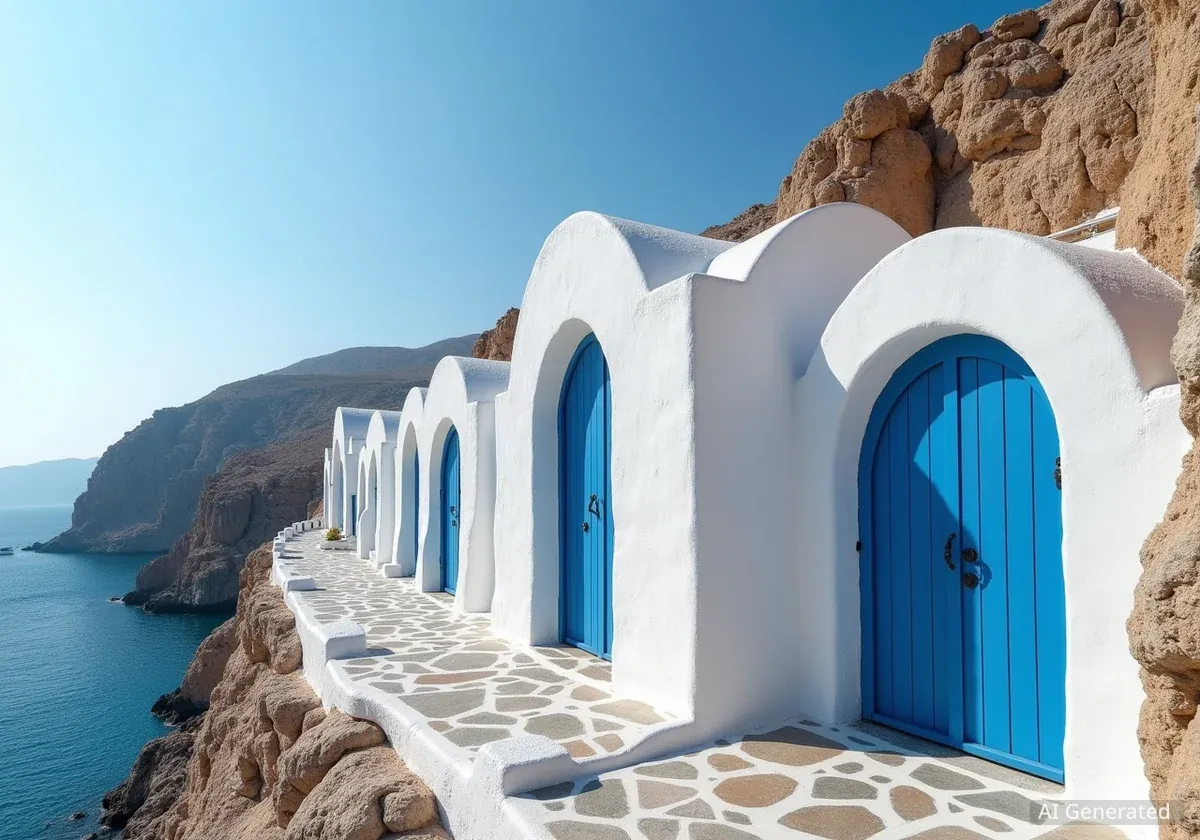
Fact: What are Syrmata?
- Definition: Small, traditionally six-meter-long structures.
- Location: Often carved into seaside rock formations.
- Original Use: Used by local fishermen to store and protect their boats during winter.
- Appearance: Known for their brightly colored doors and simple, vernacular architecture.
First Steps in Mandraki Village
The General Secretary of the Aegean, Manolis Koutoulakis, led the effort to classify the first group of these structures. A total of 58 boat houses in the Mandraki area have now been officially designated as protected heritage sites. This classification was published in the Government Gazette, making the protection legally binding.
This initial phase focuses on an area where the syrmata are particularly prominent. The chosen structures represent a significant portion of the traditional boat garages that define the Mandraki coastline.
History of Preservation Efforts
Efforts to register and protect the syrmata began years ago. However, this process was never fully completed. The recent surge in conversions into tourist accommodations prompted the Ministry to restart and finalize the protection measures.
The Ministry of Shipping's relevant department noted that most syrmata still serve their traditional purpose. While some have been converted for tourism, many have not yet undergone major structural alterations. This made it possible to intervene before significant damage to their original character occurred.
"The syrmata are an integral part of Milos's identity. Protecting them ensures future generations can experience the island's authentic charm," said a Ministry official, who wished to remain anonymous due to ongoing policy discussions.
Background: Milos and Tourism
Milos is a Cycladic island known for its volcanic landscapes, unique beaches, and picturesque fishing villages. Tourism has grown significantly on the island in recent years. This growth has led to increased demand for accommodation, including the conversion of traditional structures. The island has seen other preservation efforts, such as stopping hotel construction on iconic beaches.
Restrictions on Use and Permitted Activities
For the 58 newly protected syrmata, their use is now strictly regulated. Converting them into tourist rentals, such as Airbnbs, or private residences is prohibited. This rule applies to all but a few exceptions.
Only three of the designated structures are permitted to have residential use. These specific syrmata already included living spaces before the new protection measures were enacted. This exception acknowledges their existing status while preventing new residential conversions.
Approved Alternative Uses
Beyond their primary function as boat shelters, the protected syrmata can now serve other community-focused purposes. These include:
- Cultural facilities, such as exhibition spaces.
- Folklore museums, showcasing local history and traditions.
- Art workshops, providing spaces for local artists.
- Offices for local associations, supporting community groups.
These alternative uses aim to keep the structures active and integrated into local life without altering their fundamental character.
Scope of Protection and Future Actions
The protected status covers not only the main structure of the syrmata but also their immediate surroundings. This includes subterranean portions, paths, platforms, and steps built into the natural rock formations.
This comprehensive protection ensures that the entire environment surrounding these boat garages remains intact. Any external additions or unauthorized constructions built after the original period will be required to be removed. This measure aims to restore the sites to their authentic condition.
The Ministry's action is part of a broader strategy to manage tourism development in a sustainable way across Greek islands. It seeks to balance economic benefits with the preservation of cultural and natural heritage.
Local communities and environmental groups have largely welcomed the decision. They see it as a vital step in safeguarding the unique identity of Milos against overdevelopment. The protection of the syrmata serves as an example for other areas facing similar challenges.