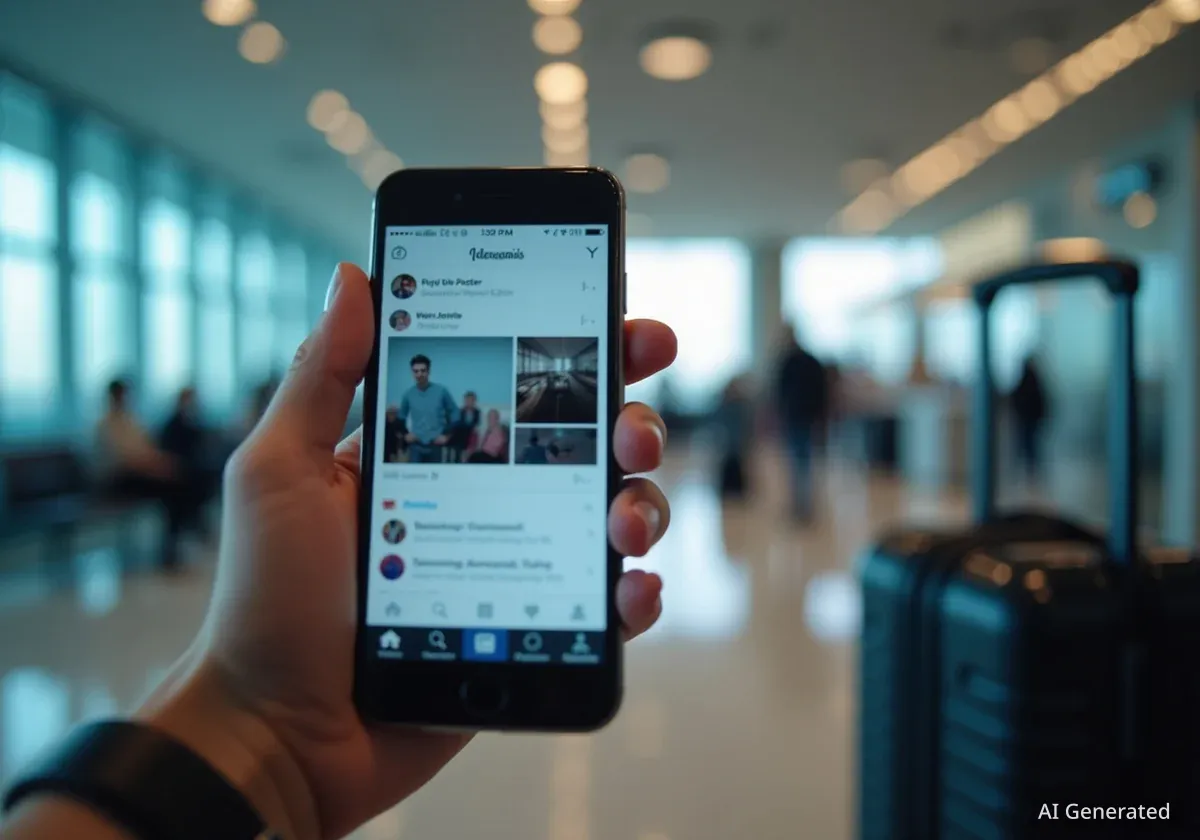
The United States travel industry is bracing for potential further impacts as the government proposes new requirements for international travelers. Under the proposed rules, visitors seeking entry to the U.S. may need to provide access to their social media accounts for inspection. This development comes as the hospitality sector already faces challenges from declining international tourism.
Economic uncertainty, political shifts, and stricter immigration policies have already contributed to a slowdown in overseas visitors. Major players in the American travel landscape, including airlines, hotels, and popular tourist destinations like Las Vegas, New York, and Orlando, depend heavily on this international influx.
Key Takeaways
- New proposals could require international travelers to share social media accounts for U.S. entry.
- The U.S. travel industry is already experiencing a decline in international visitors.
- Major cities, airlines, and hotel chains rely heavily on overseas tourism.
- Industry groups are working with the government to balance security with competitiveness.
Proposed Social Media Screening
The new policy proposal outlines a process where international travelers would make their social media accounts available for review. This measure aims to enhance security checks for individuals entering the country. The specifics of how this access would be managed and what information would be scrutinized are still under review.
This initiative follows a broader directive issued earlier by the Trump administration. The executive order focused on strengthening the visa-issuance process. The stated goal was to ensure that individuals approved for admission do not pose a threat to national interests or the safety of American citizens.
Fact Check
The U.S. travel industry contributes significantly to the national economy, supporting millions of jobs and generating billions in revenue annually, much of it from international tourism.
Impact on International Travel
The American hospitality industry has already reported a noticeable downturn in international travel. This decline is attributed to a combination of factors, including global economic conditions and a perception of tighter entry restrictions into the U.S. The proposed social media screening could exacerbate this trend.
Cities that are major international gateways and tourist hubs have been particularly affected. Destinations known for their attractions, entertainment, and business opportunities rely on a steady flow of visitors from abroad. Any policy that deters these travelers can have significant economic consequences.
"Screening must keep travelers and our nation safe, but it must also keep the United States competitive," stated Erik Hansen, senior vice president and head of government relations for the U.S. Travel Association. "If we fail to deliver an efficient, secure and modern vetting process, international visitors will choose other destinations."
Business Travel Concerns
Beyond leisure tourism, the new social media rules could also impact business travel. This segment represents a lucrative revenue stream for airlines and hotel chains. Companies such as Delta, United, American, Marriott, and Hilton benefit significantly from executives and professionals traveling for conferences, meetings, and corporate engagements.
Business travelers often have specific requirements for efficiency and convenience. Lengthy or intrusive screening processes could lead companies to consider other international destinations for their operations and events. This shift could result in substantial financial losses for U.S. businesses.
Background
The executive order signed on inauguration day aimed to review and strengthen the visa-issuance process. It sought to prevent individuals who might harm Americans or national interests from entering the country.
Industry Response and Future Outlook
Industry groups are actively engaging with the government regarding these proposed changes. The U.S. Travel Association, for instance, is reviewing the details of the new policy. Their primary objective is to ensure that security measures are implemented without compromising the country's ability to welcome millions of visitors.
Looking ahead, major global events like the World Cup are scheduled to take place in the U.S. The industry is working to ensure that the nation can safely and efficiently host these events. Balancing national security with the need for a competitive and welcoming travel environment remains a key challenge.
The discussion also highlights the need for modern and efficient vetting processes. As other countries compete for international tourism dollars, the United States must maintain its appeal as a top destination. The effectiveness of these new rules will likely determine how tourism destinations adapt their strategies in the coming years.
- Airlines: Delta, United, American
- Hotel Chains: Marriott, Hilton
- Major Cities: Las Vegas, New York, Orlando