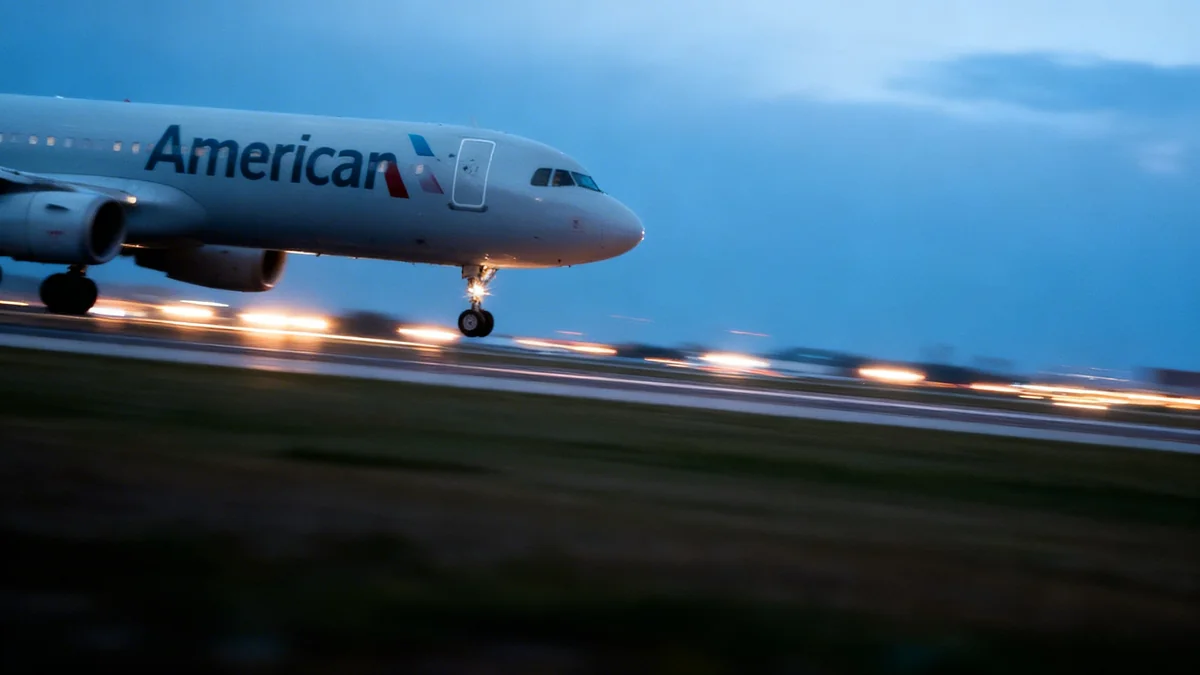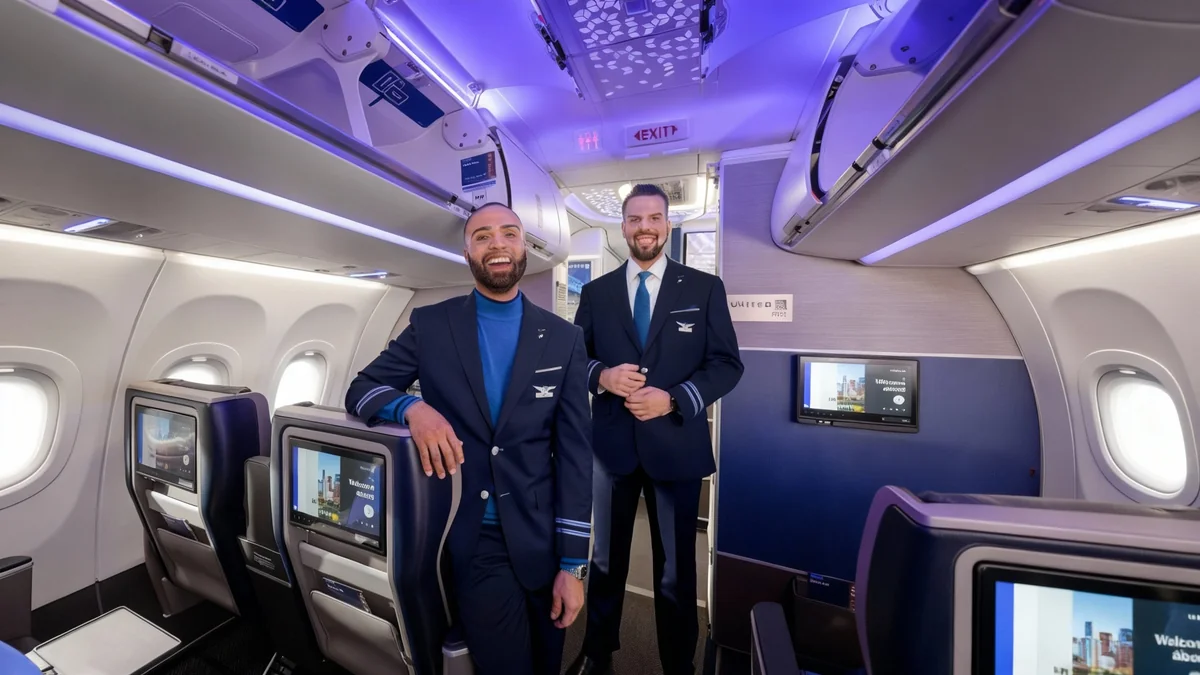
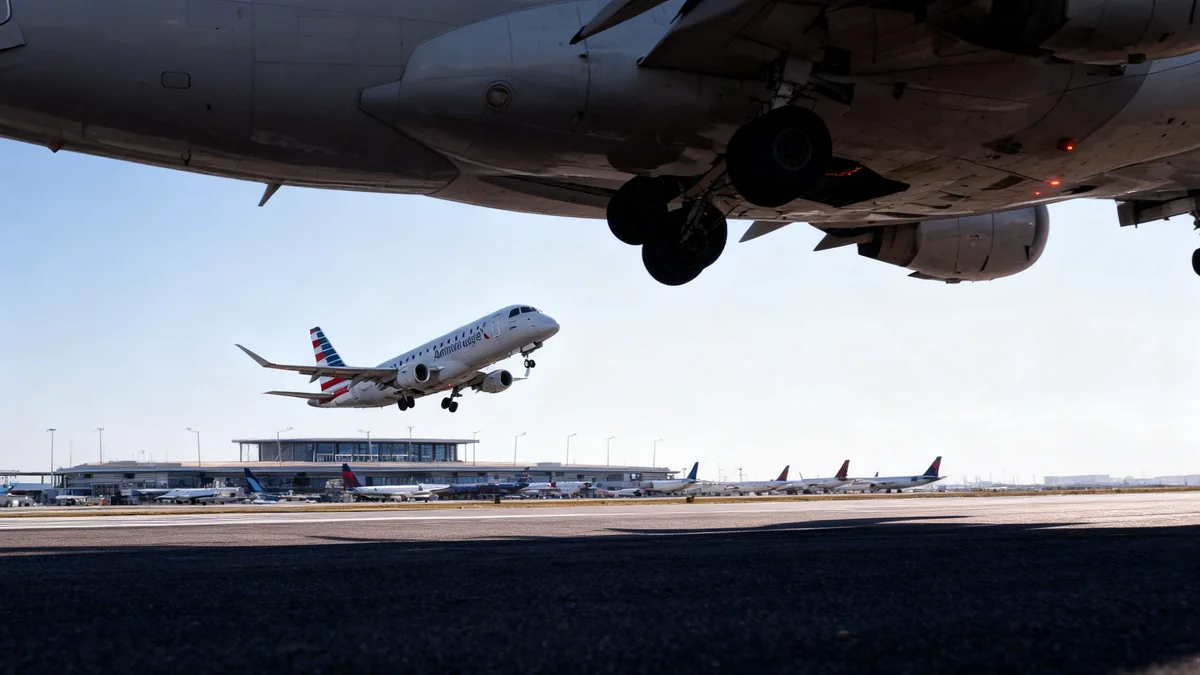
Flight attendants at PSA Airlines, a regional carrier operating under the American Eagle brand, have reached a tentative three-year contract agreement. This deal includes an immediate 10% wage increase and introduces boarding pay, a new form of compensation expected to add another 15-16% to average earnings. The agreement, if ratified, could see total compensation for these crews rise by 30-50% over its term.
Key Takeaways
- PSA Airlines flight attendants secured an immediate 10% wage increase.
- New boarding pay adds an estimated 15-16% to overall earnings.
- Total compensation could increase by 30-50% over the three-year contract.
- The agreement aims to improve recruitment, retention, and operational reliability for American Airlines.
Significant Compensation Boost for Regional Crews
The new tentative agreement marks a considerable improvement in compensation for PSA Airlines flight attendants. The immediate 10% wage hike provides a quick and direct benefit to employees. This is coupled with the introduction of boarding pay, a critical change for regional aviation crews.
Historically, flight attendants have typically been compensated once the aircraft door closes. This new provision ensures they are paid for the time spent boarding passengers. For regional flights, this can represent a significant amount of unpaid work time.
Fact Check
- Immediate wage increase: 10%
- Estimated additional earnings from boarding pay: 15-16%
- Potential total compensation rise over contract term: 30-50%
- Contract duration: Three years
Union leaders anticipate that the boarding pay will add approximately 15-16% to overall employee earnings. When combined with the initial wage increase and other benefits, the total compensation package could see a rise of 30-50% for these workers over the life of the contract. This represents a substantial material raise.
Beyond Pay: Quality of Life Improvements
Beyond the direct financial benefits, the agreement also addresses several quality-of-life issues for flight attendants. The contract includes provisions for retro pay, which compensates employees for past periods, and additional wage-scale increases. Furthermore, scheduling improvements and greater flexibility are part of the deal.
These changes can translate into fewer days spent at airports and more control over personal time off. Such improvements are vital for job satisfaction and employee well-being, especially in a demanding industry like aviation.
"This agreement is a testament to direct engagement between leadership and our union members," a union president stated, highlighting the involvement of American Airlines CEO Robert Isom in the negotiations. This sentiment is notable given recent criticisms from other American Airlines unions regarding management.
Industry Context
American Airlines operates a vast regional network under the 'American Eagle' brand, with flights often connecting smaller markets to major hubs. Regional operations are highly sensitive to staffing levels. When there is a shortage of flight attendants or reserve coverage, it can lead to widespread cancellations and missed connections, disrupting the entire network.
Strategic Benefits for American Airlines
For American Airlines, this agreement offers more than just labor peace. It is a strategic move aimed at enhancing operational reliability and rebuilding trust with its workforce. High employee turnover and thin reserve coverage in regional operations can lead to significant disruptions, which have been a point of contention for other unions.
A more attractive contract helps improve recruitment and retention of flight attendants. This reduces training costs and stabilizes the crucial American Eagle feed that supports the airline's main hubs and routes to smaller markets. It also provides American Airlines management with much-needed credibility among its employees.
Addressing Industry Competition
The airline industry faces stiff competition for talent. Carriers like Delta and United often offer appealing profit-sharing packages, which can reduce their need to provide as much guaranteed compensation as American. By offering a competitive compensation package to its regional crews, American Airlines aims to better position itself in the talent market.
The shorter three-year term of this contract is another notable aspect. Union leaders have pointed out that this brings workers back to the bargaining table sooner, allowing for quicker adjustments to pay and profit-sharing trends if needed in the future.
- Improved recruitment and retention
- Reduced training expenses
- Stabilized regional flight operations
- Enhanced management credibility with workforce
The ratification vote for this tentative agreement is scheduled to close on March 6, 2026. If approved, it will mark a significant step towards improved labor relations and operational stability for American Airlines and its regional partners.