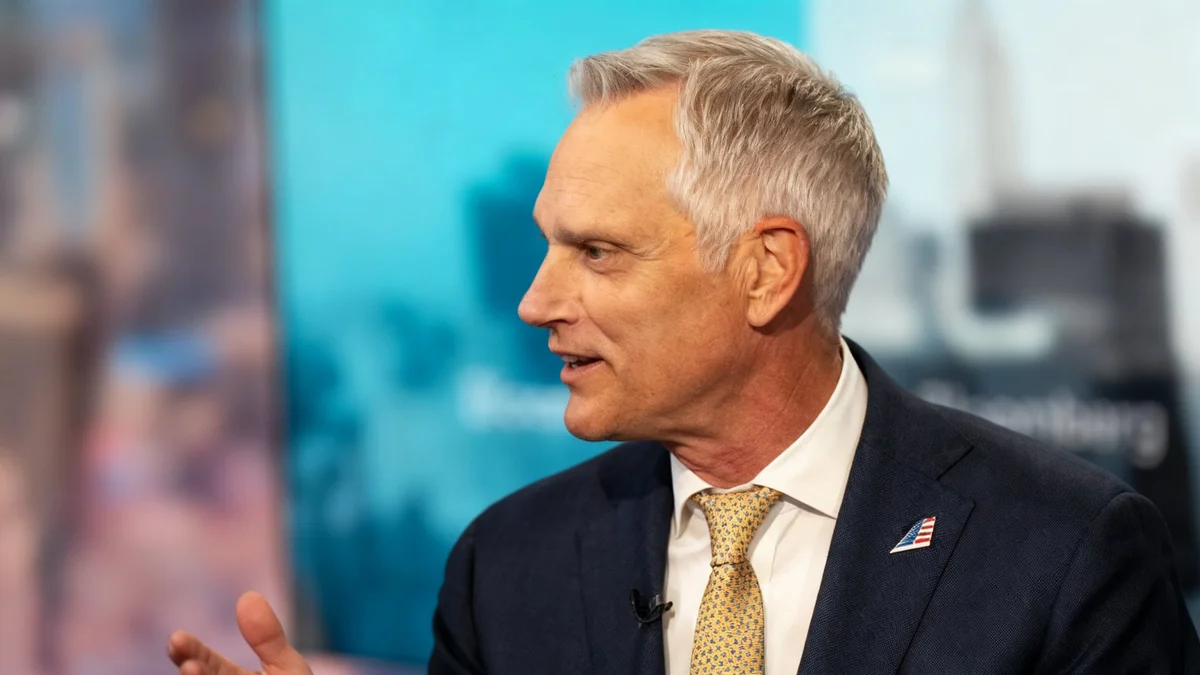
Flight attendants at American Airlines Group Inc. are calling for Chief Executive Officer Robert Isom to step down. The Association of Professional Flight Attendants (APFA) board of directors issued a unanimous vote of no confidence in Isom this week. This marks a significant move, as it is the first time the union has taken such action against an American Airlines CEO.
Key Takeaways
- American Airlines flight attendants issued a vote of no confidence in CEO Robert Isom.
- This is the first time the APFA has taken such a step against a company head.
- The union represents 28,000 flight attendants.
- The decision stems from concerns over operational and financial performance.
Union Expresses Dissatisfaction with Leadership
The Association of Professional Flight Attendants represents approximately 28,000 American Airlines flight attendants. Their decision to issue a vote of no confidence reflects deep dissatisfaction with the current leadership. The union cited both operational and financial underperformance as key reasons for their unprecedented action.
The unanimous vote by the APFA board of directors signals a united front among the union's leadership. This move could put significant pressure on the airline's executive team and board.
Quick Fact
The Association of Professional Flight Attendants (APFA) is the largest independent flight attendant union in the world.
Historical Context of Union Action
The APFA's decision to call for the CEO's resignation is a rare occurrence. Union actions against airline leadership are not common, especially at this level. This historical first highlights the severity of the issues perceived by the flight attendants.
Previous disputes between the union and American Airlines management have focused on contract negotiations and working conditions. However, a direct call for the CEO to step down indicates a broader lack of faith in the company's overall direction.
"This vote is a clear message from our members that they believe a change in leadership is necessary to address the ongoing challenges at American Airlines," stated a union representative.
Operational Challenges and Financial Performance
American Airlines has faced various operational challenges in recent years. These include flight delays, cancellations, and staffing issues. Such problems often impact flight attendant working conditions directly.
Financial performance also plays a role in the union's concerns. While specific financial details were not immediately released by the union, underperformance can lead to reduced employee morale and increased pressure on staff.
Background
Airline unions often engage in negotiations over wages, benefits, and work rules. Votes of no confidence in a CEO are far less common and usually signal a major breakdown in trust between labor and management.
Impact on American Airlines and Future Outlook
The vote of no confidence could have several implications for American Airlines. It may affect investor confidence and potentially lead to changes in corporate strategy. The airline's board of directors will likely need to address these concerns publicly.
For the 28,000 flight attendants, this action represents a strong demand for improved working conditions and a more stable future for the airline. The coming weeks will show how American Airlines management responds to this significant challenge from its workforce.
Potential Responses from Management
- The American Airlines board might issue a statement in support of CEO Robert Isom.
- They could initiate discussions with APFA leadership to address the union's grievances.
- The airline might announce new initiatives to improve operational efficiency or financial results.
- No immediate changes in leadership are guaranteed, but the pressure will remain high.
The situation underscores the complex relationship between airline management and its labor unions. Ensuring a harmonious and productive work environment is crucial for any airline's success, especially in a competitive industry like aviation.
The Role of Flight Attendants in Airline Operations
Flight attendants are central to airline operations. They ensure passenger safety, provide customer service, and contribute to the overall flight experience. Their morale and satisfaction directly influence the airline's public image and operational efficiency.
A disaffected flight attendant workforce can lead to various issues, including staffing shortages and decreased service quality. This makes the APFA's vote of no confidence a critical development for American Airlines.
The union's action highlights the importance of strong leadership that can navigate both financial pressures and employee relations effectively. The airline industry continues to face challenges, and internal stability is key to overcoming them.