British Airways recently implemented and then swiftly reversed a ban on hot water bottles for cabin crew operating long-haul flights from London Heathrow Airport (LHR). The decision, initially citing health and safety concerns, caused significant backlash among crew members and led to rapid union intervention.
Key Takeaways
- British Airways banned hot water bottles for cabin crew without prior consultation.
- The ban was reversed within two days following strong opposition from crew and their union.
- Crew members rely on hot water bottles for warmth in cold rest areas and for medical relief.
- The incident highlights ongoing concerns about crew welfare and internal communication at the airline.
Sudden Policy Change Sparks Outcry
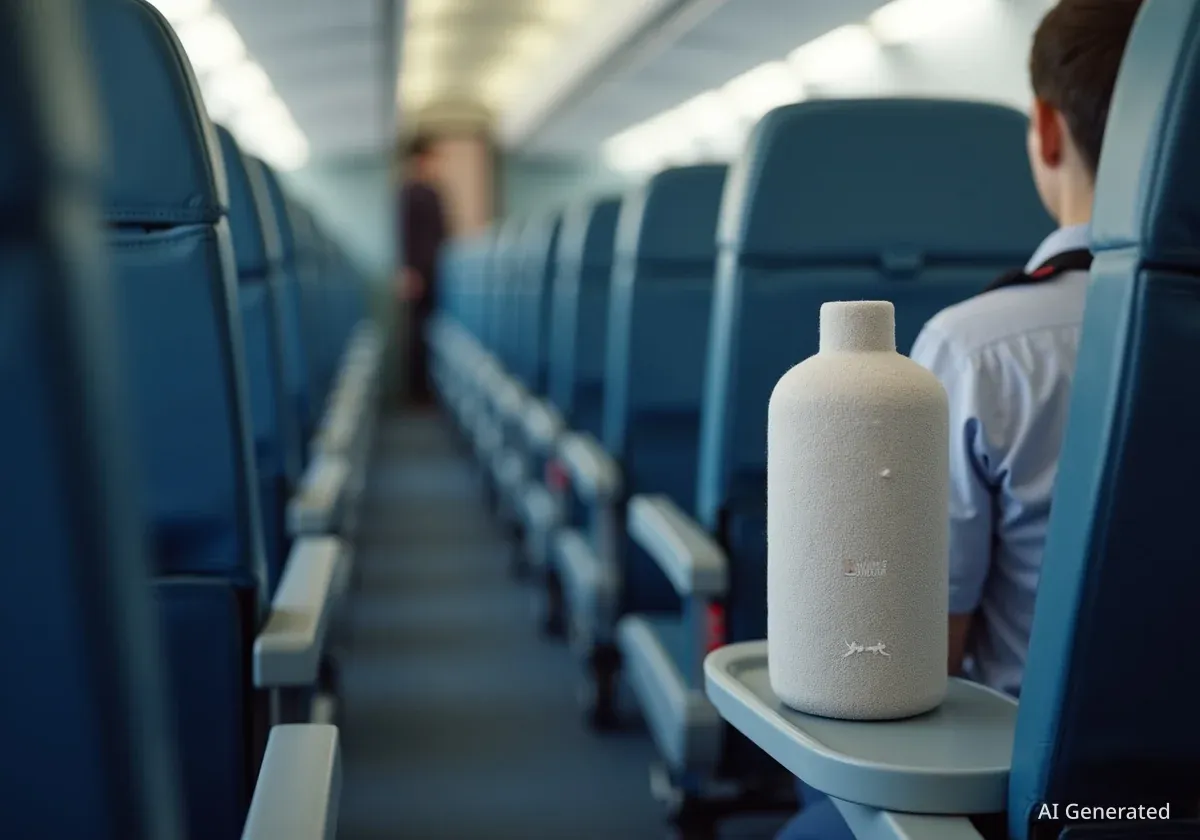
Last week, British Airways informed its cabin crew that hot water bottles were immediately prohibited. The airline's health and safety managers stated the ban was necessary because they could not inspect every personal hot water bottle brought onboard. This meant safety could not be guaranteed, leading to a blanket prohibition.
The announcement surprised many cabin crew members and their union representatives. Many crew use hot water bottles for comfort during long flights, especially in designated rest areas.
Fact: Crew Rest Conditions
On many British Airways long-haul aircraft, dedicated crew rest facilities are not available. Crew often rest and sleep on jumpseats located near aircraft doors, which can become very cold during overnight flights.
Impact on Crew Welfare
Cabin crew highlighted several issues with the ban. Long-haul flights, especially night services, can lead to significantly reduced body temperatures in rest areas. Fatigue and jet lag further worsen this discomfort. Hot water bottles provide crucial warmth in these conditions.
Beyond warmth, many crew members use hot water bottles for medical reasons. They serve as a common remedy for period pain and muscle discomfort during extended duty periods. The sudden removal of this comfort raised concerns about crew well-being and their ability to perform duties.
"Removing access to hot water bottles would leave them with no option but to call in sick for duties they could not physically tolerate."
Several crew members warned management that this policy could lead to increased sickness absences. This potential for operational disruption added pressure on the airline to reconsider its decision.
Union Steps In
The British Airlines Stewards and Stewardesses Association (BASSA), representing a large portion of British Airways cabin crew, quickly responded. The union stated that the ban was introduced without any prior discussion, consultation, or shared risk assessment. This lack of communication was a major point of contention.
Union representatives engaged with airline management within hours of the ban's announcement. Their swift action proved effective. Less than two days after the policy was issued, British Airways rescinded the ban, allowing cabin crew to use hot water bottles onboard again.
Background: Safety Concerns
British Airways acknowledged that hot water bottles can pose safety risks. There have been incidents where bottles split, or stoppers leaked, causing burns. This concern was the basis for the initial ban.
Guidelines for Hot Water Bottle Safety
To mitigate risks, standard safety guidelines for hot water bottle use include:
- Purchase bottles from reputable retailers.
- Replace bottles every two years; check the manufacture date on the neck.
- Never fill a bottle with boiling water.
- Always use a protective cover.
- Fill no more than two-thirds full and squeeze out excess air.
- Secure the stopper firmly and check for leaks.
- Avoid sitting or lying on a filled hot water bottle.
Pattern of Policy Reversals
This hot water bottle incident is not an isolated event for British Airways. The airline has made several other policy reversals recently, indicating a pattern of introducing changes without sufficient consultation or foresight.
Earlier this year, British Airways introduced new appearance and conduct guidelines for cabin crew. These rules restricted actions such as holding coffee cups in public areas, using hotel pens, and even drinking water in front of passengers. These guidelines, reportedly based on internal feedback, were also withdrawn within days due to strong staff backlash.
Passenger Feedback Leads to Reversal
Another notable reversal involved passenger services. In October 2024, British Airways replaced its long-haul Business Class lunch service with cheaper breakfast-style dishes, rebranded as "brunch." This cost-cutting measure faced significant negative feedback from passengers and was fully reversed by January.
These repeated policy reversals suggest potential challenges in internal decision-making processes and communication within British Airways. The swift response to the hot water bottle ban, however, shows the airline's capacity to adjust policies when faced with strong internal and union opposition.