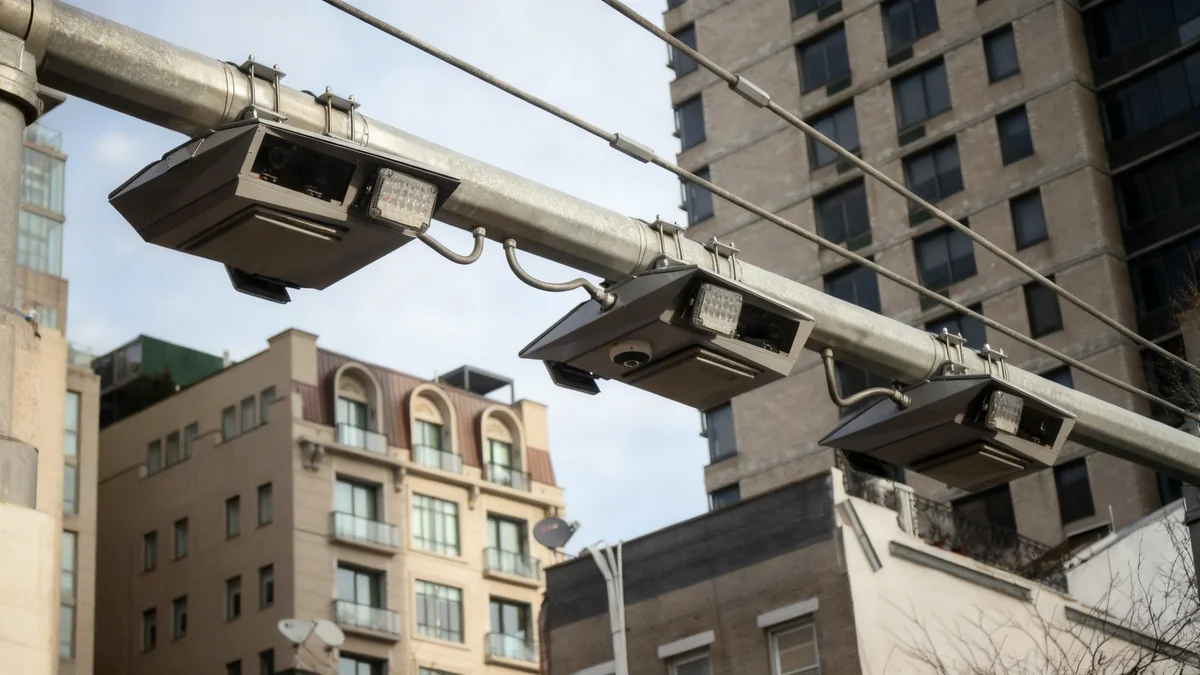
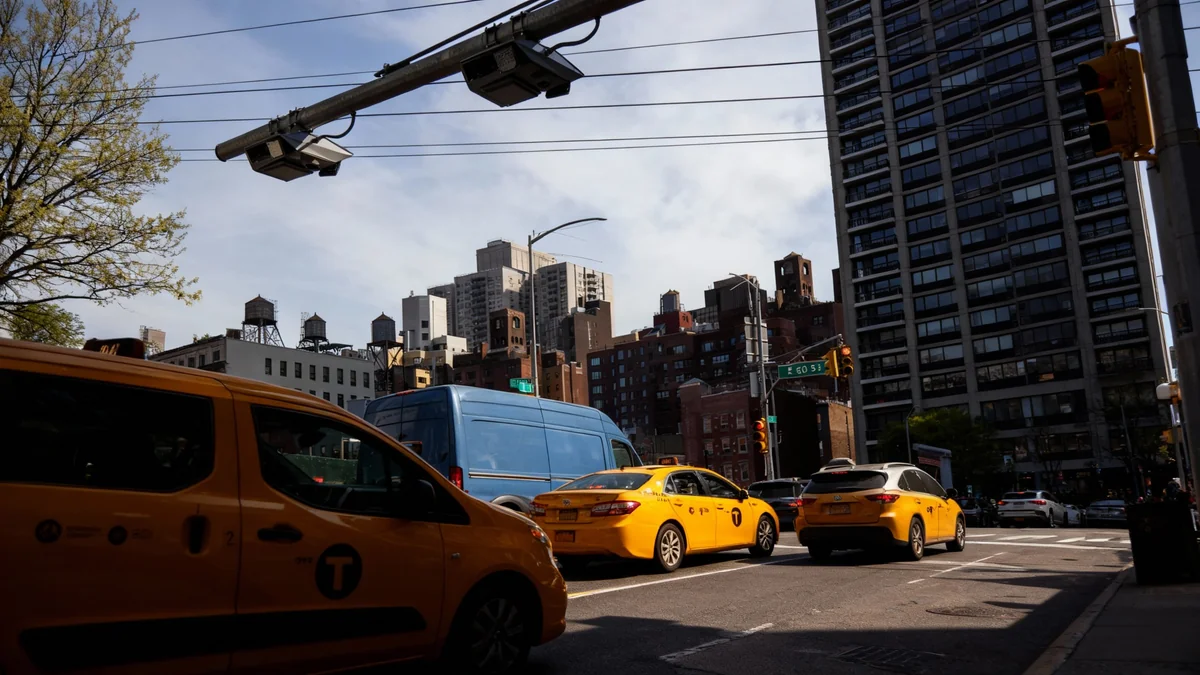
A federal judge has postponed a decision regarding New York City's congestion pricing program. The judge has scheduled oral arguments for January 28. This legal challenge concerns new tolls intended for some of Manhattan’s busiest streets. The tolls aim to fund improvements for the city's transit system.
Key Takeaways
- Federal judge delays ruling on NYC congestion pricing.
- Oral arguments set for January 28.
- The tolls are designed to fund transit improvements.
- Legal challenges follow a change in federal approvals.
Congestion Pricing Plan Faces Legal Hurdles
New York City's controversial congestion pricing plan is currently stalled in the courts. The initiative seeks to charge vehicles entering certain parts of Manhattan. Supporters argue this will reduce traffic and provide much-needed revenue for public transit. Opponents raise concerns about costs for commuters and potential impacts on outer-borough businesses.
The Metropolitan Transportation Authority (MTA) is responsible for the city's transit system. The MTA planned to implement these tolls. However, a federal judge's delay means the program's future remains uncertain. This comes after a lawsuit filed in February by the MTA itself.
Fast Fact
Congestion pricing schemes are in place in several major global cities, including London, Stockholm, and Singapore, aiming to reduce traffic and pollution.
Federal Approvals and Legal Battles
The legal dispute stems from a change in federal approvals. The Trump administration rescinded approvals that had been granted under the Biden administration. This shift created a complex legal environment for the MTA.
The MTA moved forward with the plan based on the earlier approvals. Now, the federal court system is reviewing the legality of these actions. The outcome will have significant implications for urban planning and public transit funding in New York City.
"The delay ensures all legal arguments are heard thoroughly before a final decision is made," a legal expert stated, emphasizing the complexity of the case.
Impact on Transit Funding
The proposed tolls are crucial for funding transit improvements. The MTA relies on various revenue streams to maintain and upgrade its extensive subway, bus, and commuter rail networks. A delay or cancellation of the congestion pricing program could create a significant funding gap.
The MTA faces ongoing challenges in modernizing its infrastructure. This includes aging signals, crowded trains, and the need for accessibility upgrades. The congestion pricing revenue was projected to contribute billions of dollars towards these projects.
Background on Congestion Pricing
Congestion pricing involves charging vehicles for driving in specific areas during peak hours. The goal is to reduce traffic congestion, lower emissions, and generate revenue for public transportation. New York City's plan targets vehicles entering Manhattan south of 60th Street.
The January 28 Hearing
The upcoming oral arguments on January 28 will allow both sides to present their cases to the federal judge. Legal teams will address the validity of the federal approvals and the environmental impact assessments conducted for the program.
The judge's decision will likely follow this hearing. This ruling will determine if the congestion pricing plan can proceed as intended. The case draws attention from urban planners, environmental advocates, and commuters alike.
Public and Political Reactions
The congestion pricing plan has generated strong reactions from various groups. Commuter advocates have expressed concerns about the financial burden on drivers, especially those from outside Manhattan. Environmental groups generally support the plan, highlighting its potential to improve air quality and reduce carbon emissions.
Local businesses have also weighed in. Some fear that the tolls could deter customers and deliveries, impacting their bottom line. City officials, however, maintain that the long-term benefits of reduced traffic and improved transit outweigh these concerns.
- Reduced traffic congestion.
- Improved air quality.
- Billions in funding for MTA projects.
- Potential financial burden on commuters.
- Concerns from businesses outside the toll zone.
Future of Urban Mobility in New York
The outcome of this legal challenge will shape the future of urban mobility in New York City. Congestion pricing represents a major policy shift aimed at transforming how people move within the metropolitan area. Its implementation could set a precedent for other American cities considering similar measures.
The debate highlights the complex balance between economic development, environmental protection, and public service provision. The judge's eventual decision will be a significant moment for the city's transportation landscape.
For now, the city waits. The January 28 hearing will provide more clarity on the path forward for this ambitious project.