New York City's congestion pricing program will continue operating after a federal judge ruled against attempts to terminate it. This decision marks a significant financial victory for the Metropolitan Transportation Authority (MTA), which relies on the program's revenue to fund critical upgrades to its transit system.
Key Takeaways
- A federal judge ruled against terminating New York City's congestion pricing program.
- The ruling allows the MTA to continue operating the program and collect revenue.
- Congestion pricing funds are crucial for a $15 billion transit modernization plan.
- The Trump administration may appeal the decision.
- Traffic into Manhattan's tolled zone decreased by 11% last year.
Court Upholds Congestion Pricing Legality
US District Judge Lewis Liman issued a ruling on Tuesday, stating that US Transportation Secretary Sean Duffy's efforts to end the program were "arbitrary and capricious." The judge's decision allows the MTA to maintain the program indefinitely.
The MTA had filed a lawsuit in February 2025 to prevent the program's termination. This legal challenge has now resulted in a favorable outcome for the transit authority.
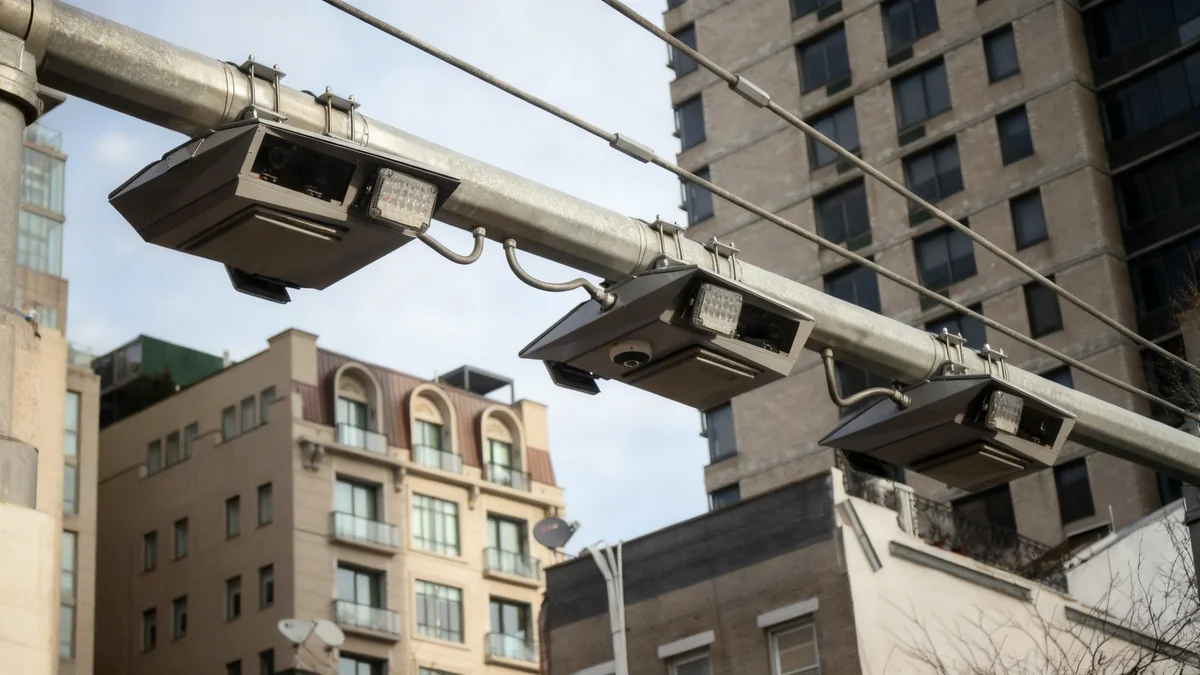
"The judge’s decision is clear: Donald Trump’s unlawful attempts to trample on the self-governance of his home state have failed spectacularly," New York Governor Kathy Hochul said in a statement. "Congestion pricing is legal, it works, and it is here to stay. The cameras are staying on."
Background on Congestion Pricing
New York City's congestion pricing program is the first of its kind in the United States. It charges most passenger vehicles a fee to enter a designated zone in Manhattan. The tolled area extends from 60th Street down to the southern tip of the island.
During peak hours, passenger cars typically pay $9 to enter this zone. The initiative aims to reduce traffic congestion and generate funds for public transit improvements.
Financial Boost for MTA Modernization
The continuation of the congestion pricing program is vital for the MTA's financial health. The authority depends on this revenue to secure $15 billion for modernizing its extensive transit network, which is over a century old.
These funds are earmarked for several key projects. They include extending the Second Avenue subway line into Harlem and replacing outdated train signals, some of which date back to the 1930s. Additionally, the revenue will help add more elevators to subway stations, improving accessibility.
Congestion Pricing Revenue
- The program generated $562 million in revenue last year.
- This funding is crucial for a $15 billion transit modernization plan.
Administration Considers Appeal
Despite the court's ruling, the Trump administration has expressed its disagreement. The Department of Transportation stated it is reviewing all legal options, including a possible appeal to the US Court of Appeals for the Second Circuit.
A spokesperson for the department said, "These Green New Scam policies have made federally funded roads inaccessible to commuters without providing a toll-free alternative." The administration remains committed to fighting to make everyday life more affordable for American families, according to the statement.
Judge Rejects Disproportionate Impact Claims
Judge Liman specifically addressed claims that the program unfairly affects low and middle-income Americans. He found that Secretary Duffy had not provided sufficient facts to support this argument.
The judge noted that low-income workers constitute an "extraordinarily small portion" of drivers entering Manhattan's central business district. He suggested that these workers are more likely to benefit from the improved public transportation funded by the program, as they typically rely on it.
Positive Impact on Traffic and Transit
MTA data indicates that the congestion pricing program is already showing positive results. From January through December of last year, an average of 72,600 fewer vehicles entered the tolled area each day. This represents an approximately 11% decline in daily vehicle entries.
Public buses operating below 60th Street have also experienced improved speeds. Average weekday bus speeds were consistently higher every month last year compared to 2024, according to MTA data.
Janno Lieber, the MTA’s chief executive officer, confirmed the program's effectiveness. "Traffic is down, business is up, and we’re making crucial investments in a transit system that moves millions of people a day," he stated.
Broader Federal Scrutiny of Transit Projects
The congestion pricing program is not the only regional transportation initiative that has faced federal opposition. The Trump administration has also targeted funding for the $16 billion Gateway tunnel project under the Hudson River.
New York and New Jersey recently sued the federal government over a freeze in funds for the Gateway tunnel. They argue that the funding suspension, instituted last fall, is a "politically motivated attempt to punish and coerce those with whom the President disagrees." US District Judge Jeannette Vargas granted a temporary restraining order blocking this freeze on February 6.
The legal challenges surrounding these major infrastructure projects highlight ongoing tensions between state and federal authorities regarding transportation policy and funding.