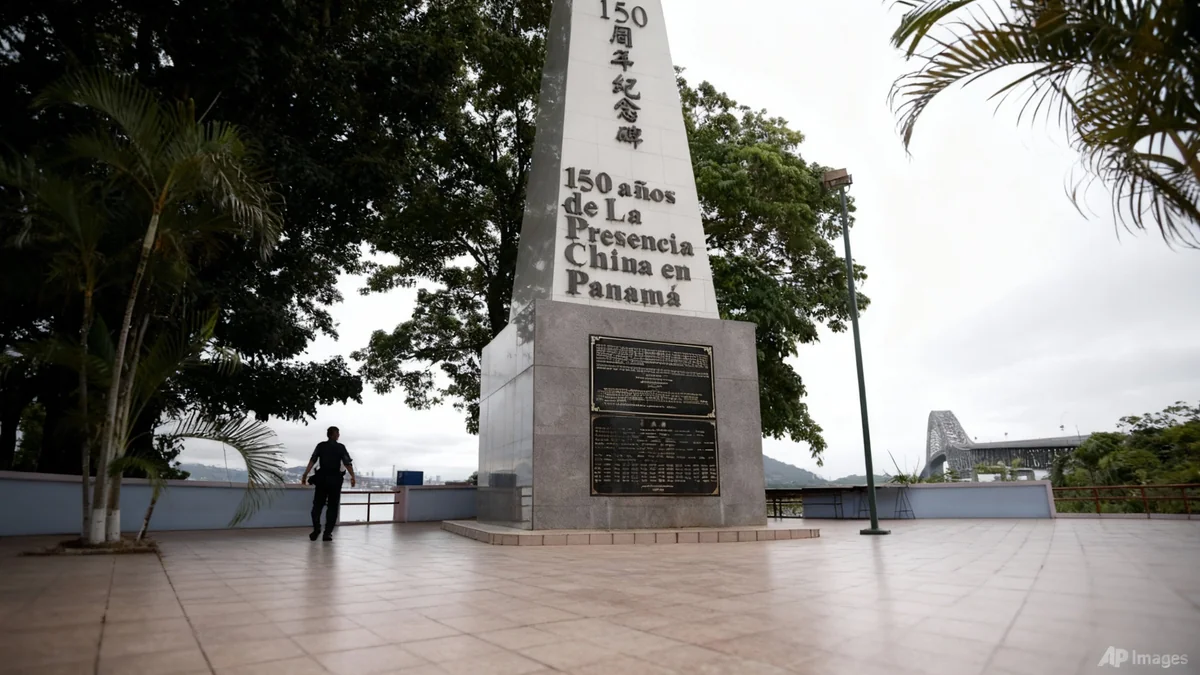
Beijing has strongly criticized the recent demolition of a monument honoring Chinese contributions to the Panama Canal. The monument, located near the canal's Pacific entrance, was taken down on Saturday by orders from the mayor's office in Arraijan. This action has sparked diplomatic tension and drawn condemnation from both Chinese officials and Panamanian President Jose Raul Mulino.
Key Takeaways
- Panama demolished a monument honoring Chinese contributions to the Panama Canal.
- China's Foreign Ministry expressed strong condemnation, calling it a "forced demolition."
- Panamanian President Jose Raul Mulino also criticized the act and ordered immediate restoration.
- The mayor's office cited structural damage as the reason for removal.
- The incident occurs amidst ongoing US concerns about China's influence in Panama.
Monument's Removal Sparks International Outcry
The monument, erected in 2004, symbolized 150 years of Chinese community presence in Panama and their significant role in the construction of the Twin Ocean Railway and the Panama Canal in the 19th century. Its sudden removal has ignited a controversy that extends beyond local politics, touching on international relations and historical acknowledgment.
The Ministry of Foreign Affairs in Beijing released a statement on Monday, December 29, expressing deep concern. "China deplores the forced demolition by relevant local authorities in Panama of a monument to China's contributions to the Panama Canal," the statement read. It highlighted the monument's importance as a "witness and memorial to the time-honored friendship between China and Panama."
Fact File: Panama Canal
- Opened: 1914
- Length: 80 kilometers (50 miles)
- Global Trade: Handles approximately 5% of global maritime trade
- Former Control: Under US control from 1914 to 1999
- Main Users: United States and China
Panamanian Leadership Condemns Demolition
Despite the demolition being carried out by a local authority, Panama's national leadership has also voiced strong disapproval. President Jose Raul Mulino called the act "an unforgivable act of irrationality" and stated there was "no justification whatsoever for the barbarity committed."
Following this widespread criticism from former presidents and other political figures within Panama, Mulino's government issued an order for the immediate restoration of the monument. The directive specifies that the monument should be rebuilt in its original location, signaling a clear intent to rectify the situation.
"The monument stood as a witness and memorial to the time-honored friendship between China and Panama, and to the tremendous contribution of Chinese workers who traveled across the oceans to Panama in the 19th century to help build the Twin Ocean Railway and the Panama Canal."
Structural Concerns Cited by Local Officials
The mayor's office in Arraijan defended its decision by stating the monument had structural damage. According to their assessment, this damage posed a "risk" to public safety. However, this explanation has been largely overshadowed by the strong reactions from both Beijing and Panama's national government.
The swift and unified condemnation suggests that the official reason for demolition may not fully explain the broader implications or the timing of the event. The incident has cast a spotlight on the complex relationships between local governance, national heritage, and international diplomacy.
Geopolitical Context and US Influence
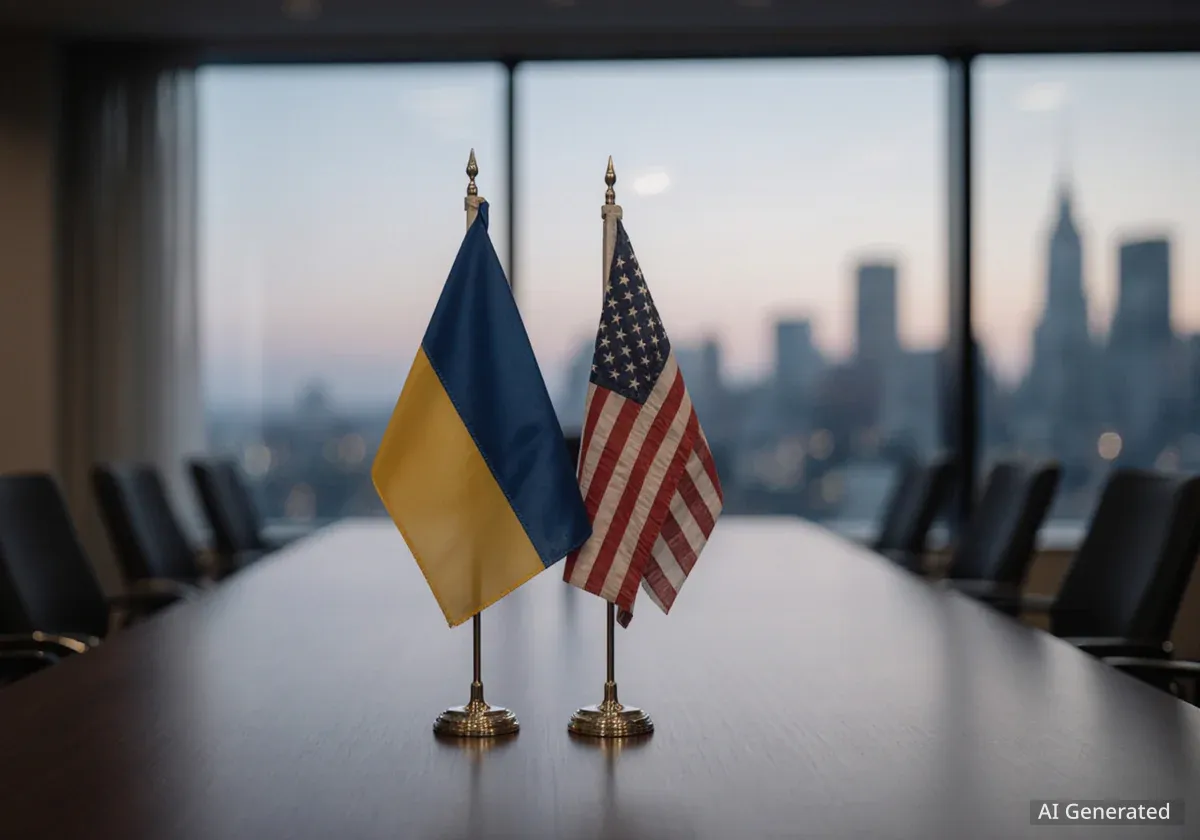
The controversy unfolds against a backdrop of increasing geopolitical interest in the Panama Canal. China holds significant investments in Panama, making it a key economic partner in the region. The United States, under President Donald Trump, has previously expressed concerns about Beijing's growing influence over the critical waterway.
Trump has notably threatened to retake control of the canal, which was under US administration from 1914 until its transfer to Panamanian control in 1999. He has also demanded preferential conditions for US vessels using the canal. These statements highlight the canal's strategic importance to global maritime trade and the ongoing competition for influence in the region.
Background: US-China Rivalry in Panama
The Panama Canal remains a vital artery for global commerce, with the US and China being its primary users. China's economic engagement in Panama includes major investments, which have drawn scrutiny from Washington. The US has historically viewed the canal as a key strategic asset, and any perceived increase in Chinese influence is often met with concern.
Hong Kong-based Hutchison Holdings, which operates two ports on the Pacific and Atlantic sides of the canal, recently agreed to sell these operations to US-based BlackRock. This transaction further illustrates the shifting dynamics and strategic maneuvering related to the canal's control and influence.
The demolition of the monument, regardless of its stated reason, adds another layer of complexity to these international discussions. It underscores the sensitivity surrounding historical contributions and national sovereignty in a region of significant global interest.
The Panamanian government's commitment to immediately restore the monument indicates an effort to mitigate diplomatic fallout and reaffirm its own control over its historical and cultural landmarks, while also acknowledging the historical contributions of the Chinese community.
Looking Ahead: Restoration and Reconciliation
The order for immediate restoration signifies a move towards de-escalation. It suggests that Panama aims to repair the monument and, by extension, mend any strained diplomatic ties with China. The process of rebuilding the monument will be closely watched by international observers.
This incident serves as a reminder of how local decisions can quickly escalate into international matters, especially when they involve historical symbols and geopolitical sensitivities. The focus now shifts to the restoration efforts and how both nations will navigate the aftermath of this contentious event.