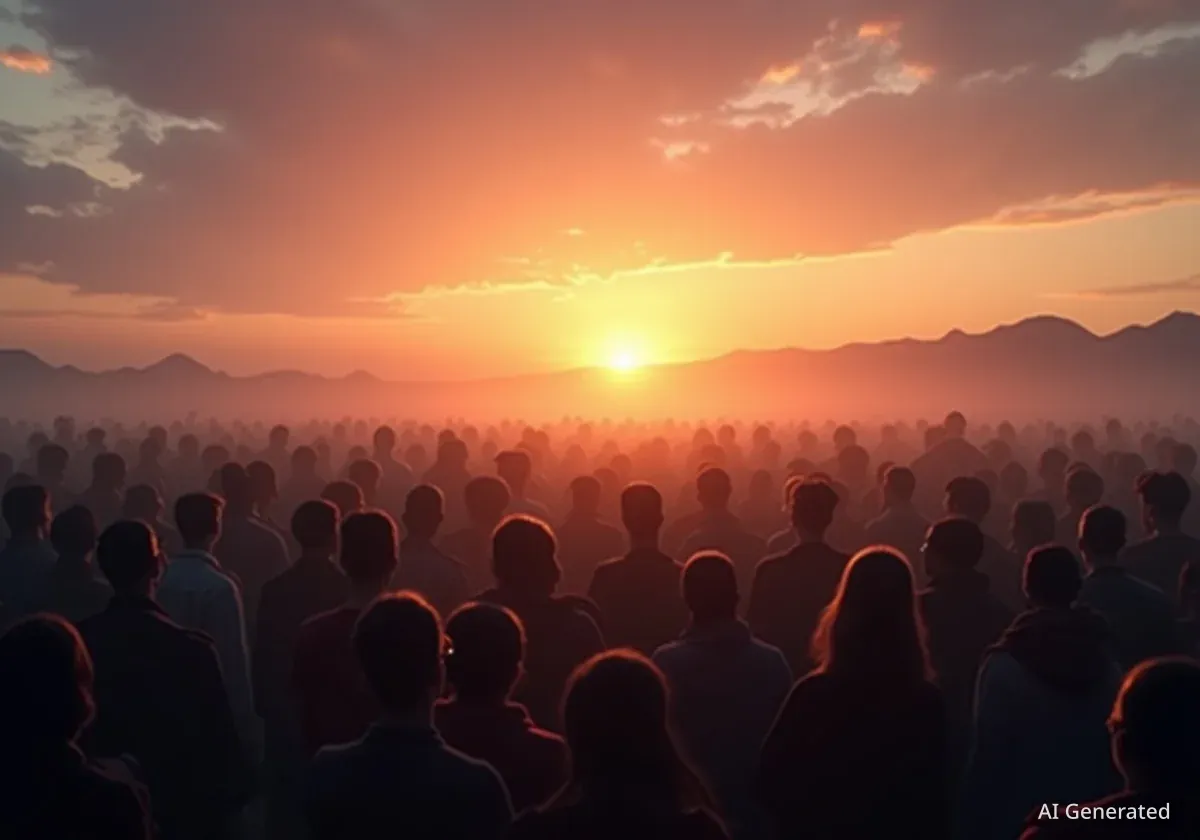
Thousands of people gathered at the ancient monument of Stonehenge this morning to witness the winter solstice sunrise. The event, marking the shortest day of the year, saw approximately 8,500 visitors participate in age-old rituals as the sun appeared just after 08:00 GMT over the historic Wiltshire site.
The crowds, which included families traveling from across the country, marked the occasion with various symbolic observances. This annual gathering at Stonehenge remains a significant cultural and spiritual event for many.
Key Takeaways
- Approximately 8,500 people attended the winter solstice sunrise at Stonehenge.
- The sun rose just after 08:00 GMT on the shortest day of the year.
- Attendees traveled from various regions, including Nottingham, for the event.
- The solstice marks the beginning of longer days and increased daylight hours.
Pilgrimage to the Ancient Stones
The draw of Stonehenge for the winter solstice continues to attract a diverse crowd. Many arrive hours before dawn, often traveling long distances, to secure a prime viewing spot. The atmosphere is typically one of quiet reverence mixed with communal celebration as the first rays of sunlight pierce the horizon.
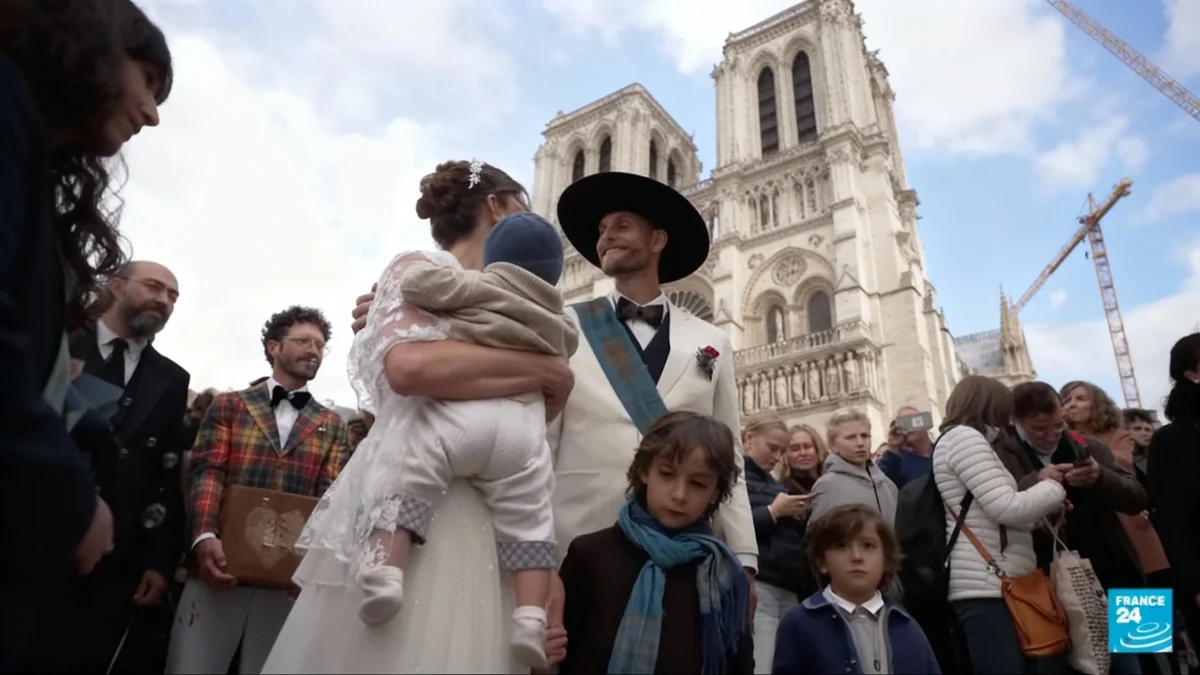
One family, the Ridley-Thompsons, made a significant journey from Nottingham, waking at 02:00 to ensure their arrival. Bella Ridley-Thompson expressed the importance of the experience, stating,
"It's just nice to get involved. This is a ceremony after all, so it's nice to dress up and have a bit of respect."Her words highlight the sense of tradition and spiritual connection many feel at the site.
Stonehenge Solstice Facts
- The winter solstice is the day with the fewest hours of daylight in the Northern Hemisphere.
- At Stonehenge, the sun aligns with the 'Slaughter Stone' and the 'Heel Stone' during the winter solstice sunrise.
- Archaeologists believe Stonehenge was constructed between 3000 BC and 2000 BC.
- English Heritage manages access to the site for the solstices, often allowing free entry for these special events.
The Significance of the Shortest Day
The winter solstice is more than just an astronomical event; it carries deep cultural and historical significance. For millennia, cultures around the world have observed this day, often seeing it as a time of rebirth and renewal. From today onward, the days will gradually lengthen, bringing more daylight hours.
This transition from darkness to light is a powerful symbol. It represents hope and the promise of spring after the long winter months. Many attendees engage in personal rituals, meditation, or simply enjoy the shared experience of witnessing this ancient celestial alignment.
Community and Connection
The gathering at Stonehenge also fosters a strong sense of community. Strangers share warmth, conversation, and the collective anticipation of the sunrise. This shared human experience reinforces the enduring power of ancient sites to bring people together in the modern world.
The event is carefully managed by authorities to ensure safety and preserve the integrity of the monument. Despite the large numbers, the spirit of cooperation and respect for the site generally prevails among visitors.
Beyond Stonehenge
While Stonehenge is perhaps the most famous site for solstice observations in the UK, similar gatherings take place at other ancient monuments. These events reflect a widespread human desire to connect with natural cycles and ancestral traditions.
The winter solstice has been celebrated in various forms across cultures, from the Roman Saturnalia to Scandinavian Yule festivals, all marking the turning point of the year.
Looking Ahead to Longer Days
With the winter solstice now passed, the natural cycle shifts towards increasing daylight. This gradual change will be noticeable over the coming weeks and months, leading up to the spring equinox and ultimately the summer solstice, the longest day of the year.
For those who made the journey to Stonehenge, the memory of the sunrise will serve as a reminder of nature's rhythm and the enduring connection between humanity and the cosmos. It is a moment of reflection and a look forward to the brighter days ahead.
The event underscores the timeless appeal of Stonehenge, not just as a historical landmark, but as a living monument where ancient traditions continue to resonate with contemporary audiences. The annual pilgrimage highlights a shared human desire to mark significant moments in the natural world.