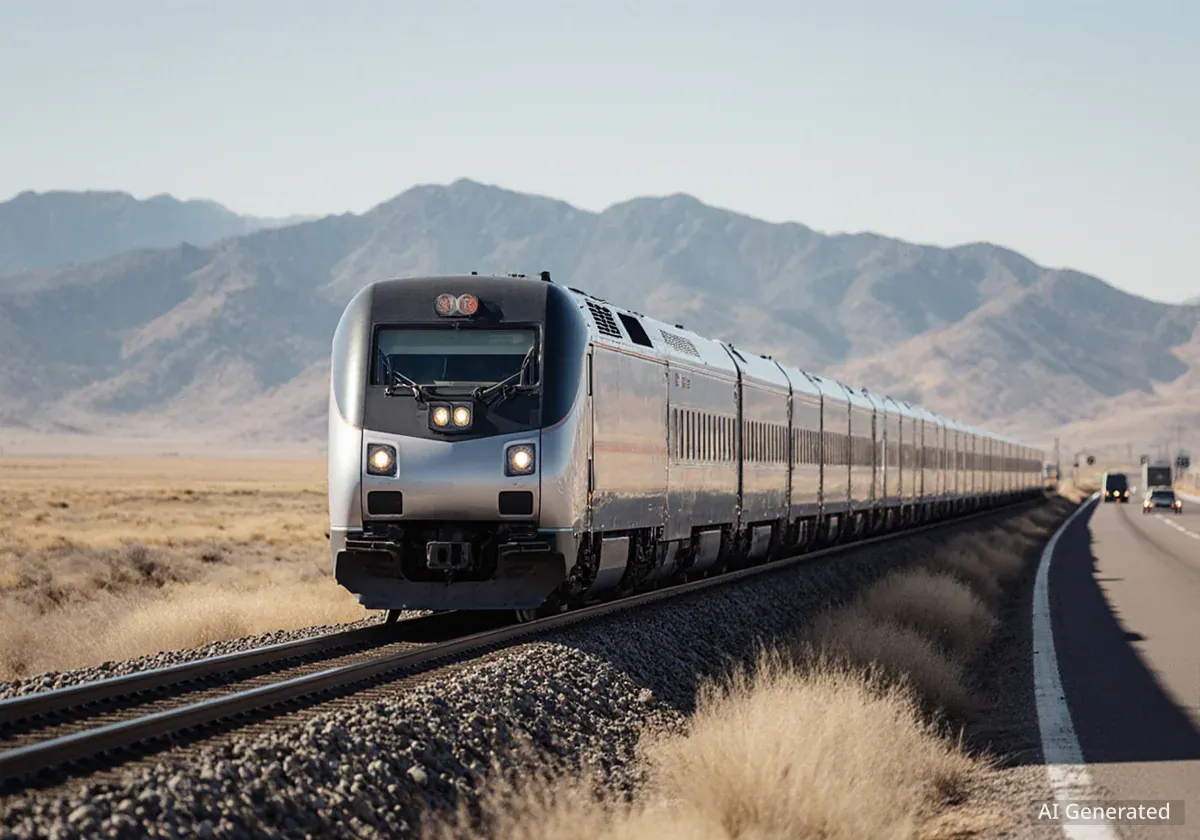

Passenger train services between China and North Korea have officially resumed, marking the end of a six-year suspension. This crucial transport link, halted due to the global pandemic, began operations again on Thursday. The move signals a gradual reopening for North Korea, which has been largely closed off to international travel since early 2020.
China Railway announced the resumption late Tuesday. The services are intended to strengthen the friendship between the two nations. This development comes as China has fully reopened from pandemic restrictions, while North Korea has taken a more cautious approach, gradually allowing limited international entry.
Key Takeaways
- Passenger train services between China and North Korea restarted after a six-year pause.
- Beijing-Pyongyang trains will run four times weekly, while Dandong-Pyongyang will operate daily.
- Initial tickets are primarily for individuals with valid visas, including workers, students, and family visitors.
- The resumption is seen as significant for facilitating people-to-people exchanges and strengthening bilateral ties.
New Schedule and Route Details
The newly reinstated train schedule includes two primary routes. The service connecting Beijing and Pyongyang will run four times each week. Additionally, a daily service will operate between Dandong, a Chinese border city, and the North Korean capital.
These routes are vital arteries for movement between the two countries. The Dandong-Pyongyang line, in particular, serves as a direct link for border crossings.
Quick Facts
- Six-Year Halt: Passenger trains were suspended for six years due to the pandemic.
- Daily Service: The Dandong-Pyongyang route will operate every day.
- Four Times a Week: The Beijing-Pyongyang route will run four times weekly.
Who Can Travel Now?
While the trains are running, access is currently restricted. Tickets for the first train departing on Thursday were reportedly sold out. Those who secured tickets included entrepreneurs, government officials, and reporters.
A travel agent confirmed that tickets are not yet available for general businessmen or tourists. Only individuals holding valid visas can purchase them. This group primarily includes Chinese citizens working or studying in North Korea and North Koreans with work, study, or family visit visas abroad.
"Maintaining regular passenger train services between the two countries is of great significance for facilitating exchanges between people," said Chinese foreign ministry spokesperson Guo Jiakun on Tuesday.
Impact on Tourism
Before the pandemic, Chinese tourists formed a significant portion of foreign visitors to North Korea. The country completely sealed its borders in early 2020. Slowly, North Korea began to reopen to tourists in 2024, launching new projects like a seaside resort to boost the sector. However, these initiatives have also faced interruptions.
Strengthening Bilateral Relations
The resumption of train services is more than just a logistical update; it carries significant diplomatic weight. North Korean leader Kim Jong Un recently expressed his belief that cooperation between the two countries would deepen. This statement was made in a letter to Chinese President Xi Jinping.
Kim's letter was a response to Xi's congratulations on Kim's reappointment as his party's leader. Both leaders have emphasized the importance of their shared socialist cause.
Historical Context
China and North Korea have a long history of close ties, often referring to their relationship as being "as close as lips and teeth." Transport links, including rail, have historically played a critical role in maintaining these connections, facilitating trade, cultural exchange, and diplomatic visits. The pandemic-induced closure was an unprecedented disruption to this established pattern.
Future Outlook for Travel
The current restrictions on who can purchase tickets suggest a cautious, phased approach to reopening. It remains unclear when general tourism or broader business travel will become widely available. The initial focus appears to be on essential travel and maintaining diplomatic and economic links.
The daily service between Dandong and Pyongyang highlights the importance of this border region. Dandong is a key hub for trade and cross-border movement, and its daily train service underscores its strategic significance.
The reopening of this rail link represents a tangible step towards normalcy after years of isolation. It will allow for increased movement of people and goods, potentially paving the way for further easing of travel restrictions in the future.