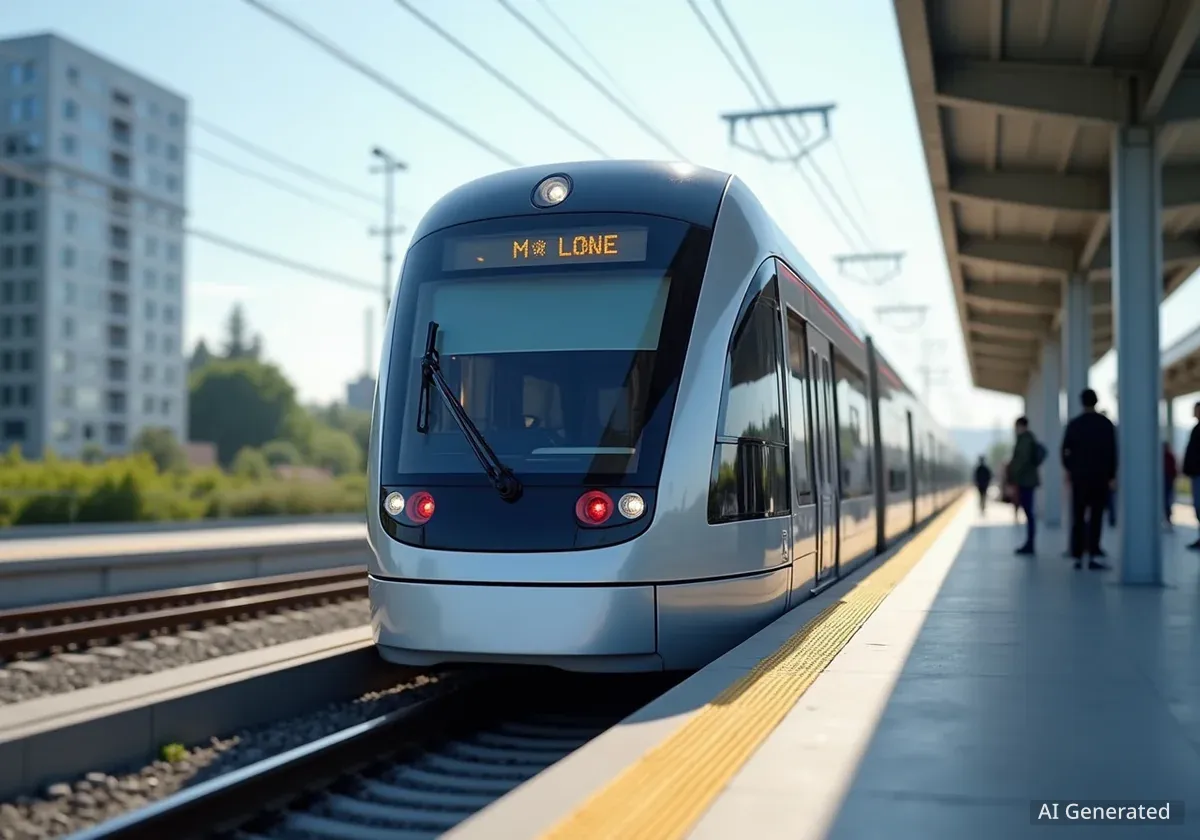
Three new light rail stations are set to open in South King County by November 30, 2025. These stations will connect different parts of the region, offering new transportation options for commuters and students alike. Each station has a unique purpose, serving diverse community needs.
Key Takeaways
- Three new light rail stations will open by late 2025.
- The stations serve distinct purposes: a transit hub, a park-and-ride, and a college stop.
- The expansion aims to improve regional connectivity and ease traffic congestion.
Expanding Transit in South King County
The upcoming light rail expansion introduces three distinct stations designed to enhance regional mobility. This development is part of a larger effort to improve public transportation access across South King County. The stations are situated at key locations, aiming to address specific commuter demands.
This project represents a significant investment in the region's infrastructure. It is expected to change how residents travel for work, education, and leisure. The new lines aim to reduce reliance on personal vehicles.
Quick Fact
The light rail expansion is scheduled to be operational by November 30, 2025, providing new travel options for thousands of daily commuters.
Station One: A Major Transit and Shopping Hub
The first station is positioned to become a central point for both transit and commerce. It will anchor a large crossroads, integrating various modes of transportation with retail opportunities. This design aims to create a vibrant urban center where people can easily connect to different services.
The location of this station is strategic. It seeks to serve a high volume of passengers, including shoppers and those transferring between bus lines and the light rail. This integration is crucial for maximizing efficiency in a busy area.
Dedicated Park-and-Ride Facility
The second new station is a specialized park-and-ride depot. This facility is designed to serve commuters who drive from further out but wish to complete their journey by light rail. It offers a convenient solution for reducing traffic on major roadways and decreasing parking demand in urban centers.
Park-and-ride options are vital for regional transit systems. They encourage people to use public transport by providing a seamless transition from private vehicles. This approach supports environmental goals by reducing vehicle miles traveled.
"These stations are not just about adding tracks; they are about connecting communities and offering sustainable travel choices," stated a spokesperson for the transit authority. "Each station serves a unique role in our larger vision for regional connectivity."
Background on Regional Transit
The Puget Sound region has been investing in its transportation infrastructure for decades. Projects like the light rail expansion are part of a long-term plan to accommodate population growth and reduce traffic congestion. These efforts aim to create a more efficient and environmentally friendly transit network.
Connecting to Highline College
The third station will directly serve Highline College students and staff. This dedicated stop provides direct access to the campus, making it easier for thousands of individuals to reach their educational institution without relying on cars. This direct connection can significantly impact daily commutes for the college community.
Providing direct transit access to educational institutions is a common strategy in urban planning. It supports student mobility, reduces campus parking issues, and promotes sustainable travel habits among a younger demographic. This station will enhance the overall accessibility of Highline College.
Impact on Local Commutes and Economy
The opening of these three stations is expected to have a broad impact on local commutes. Shorter travel times and more reliable schedules are anticipated benefits. This could free up time for residents and reduce daily stress associated with traffic.
Economically, the new stations could spur development in the surrounding areas. Increased accessibility often leads to new businesses and housing opportunities near transit hubs. This can create job growth and enhance local economies.
- Reduced Traffic: Less reliance on personal vehicles on major roads.
- Improved Access: Easier travel to key destinations, including a major college.
- Economic Growth: Potential for new businesses and development near stations.
- Environmental Benefits: Lower carbon emissions from fewer cars.
The varying designs of each station highlight a thoughtful approach to urban planning. By tailoring each stop to its specific environment, the transit system aims to maximize its utility and benefit the widest range of users. This targeted development ensures that each investment addresses a particular community need effectively.
As the November 2025 deadline approaches, anticipation builds for these new additions to the light rail network. Residents can look forward to more convenient and sustainable travel options across South King County.