The United States Coast Guard has officially suspended its search for a 77-year-old woman who went overboard from a Holland America Line cruise ship on Thursday. The incident occurred in the waters north of Cuba while the vessel, the Nieuw Statendam, was on its scheduled itinerary.
Officials from Holland America Line confirmed the event, stating that the guest went overboard in the morning. The search operation, which lasted for several hours, was formally halted by the Coast Guard, and the passenger has not been found.
Key Takeaways
- The U.S. Coast Guard has suspended the search for a 77-year-old cruise passenger.
- The incident took place aboard the Holland America Line ship, Nieuw Statendam.
- The ship was located approximately 40 miles northeast of Sabana, Cuba, when the passenger went overboard.
- Both the Coast Guard and the cruise line have issued statements on the event.
Details of the Incident
The event unfolded on Thursday morning as the Nieuw Statendam sailed through international waters. The passenger, a 77-year-old woman whose name has not been publicly released, was reported to have gone overboard. The exact circumstances leading to the incident remain under investigation.
Holland America Line issued a statement addressing the situation. "We are deeply saddened to confirm that while sailing in waters north of Cuba, a guest on Nieuw Statendam went overboard earlier today," the cruise line stated. The company has not provided further details about the passenger out of respect for the family's privacy.
The ship's crew immediately initiated man-overboard protocols upon being alerted. These procedures typically involve deploying life rings, alerting nearby vessels, and turning the ship around to begin a search pattern. The vessel's command also notified the appropriate maritime authorities, leading to the involvement of the U.S. Coast Guard.
The Search and Rescue Operation
The U.S. Coast Guard took charge of the search and rescue mission shortly after being notified. The operation was centered in an area approximately 40 miles northeast of Sabana, Cuba, a strategic location in the Florida Straits.
Coast Guard assets, which often include aircraft like HC-144 Ocean Sentry planes and helicopters, as well as cutter vessels, are deployed to systematically search the area. The search patterns are calculated based on water currents, wind speed, and the last known position of the individual.
Search and Rescue Factors
The decision to suspend a search is complex and based on multiple factors, including water temperature, weather conditions, time elapsed, and the estimated survival time for a person in the water.
Despite the extensive effort, the search was ultimately unsuccessful. On Thursday evening, the Coast Guard announced the suspension of its active search operations. This difficult decision is made after all possibilities of locating a survivor have been reasonably exhausted.
"The decision to suspend a search is never one we take lightly," a Coast Guard official typically explains in such situations, highlighting the thoroughness of the effort before such a call is made.
Man Overboard Incidents in the Cruise Industry
Man overboard (MOB) events are rare but serious incidents in the cruise industry. Modern cruise ships are designed with high railings and numerous safety features to prevent passengers from accidentally falling into the sea. These vessels are equipped with extensive surveillance systems, including CCTV cameras and, on some newer ships, advanced thermal and motion-detection technology designed to alert the crew immediately if someone goes overboard.
Standard Safety Protocols
When an MOB incident is suspected, cruise ships follow a strict and well-rehearsed set of procedures:
- Immediate Alert: The bridge is notified, and an alarm is sounded to alert the crew.
- Marking the Location: The ship's GPS position is marked instantly. Lifebuoys with lights and smoke signals are often deployed to mark the spot.
- Ship Maneuver: The ship performs a specific turn, such as a Williamson Turn, to return to the location of the incident as quickly as possible.
- Rescue Boats: The ship's own rescue boats are prepared for launch.
- External Communication: The crew contacts maritime rescue coordination centers, like the U.S. Coast Guard, and alerts other vessels in the vicinity.
About the Nieuw Statendam
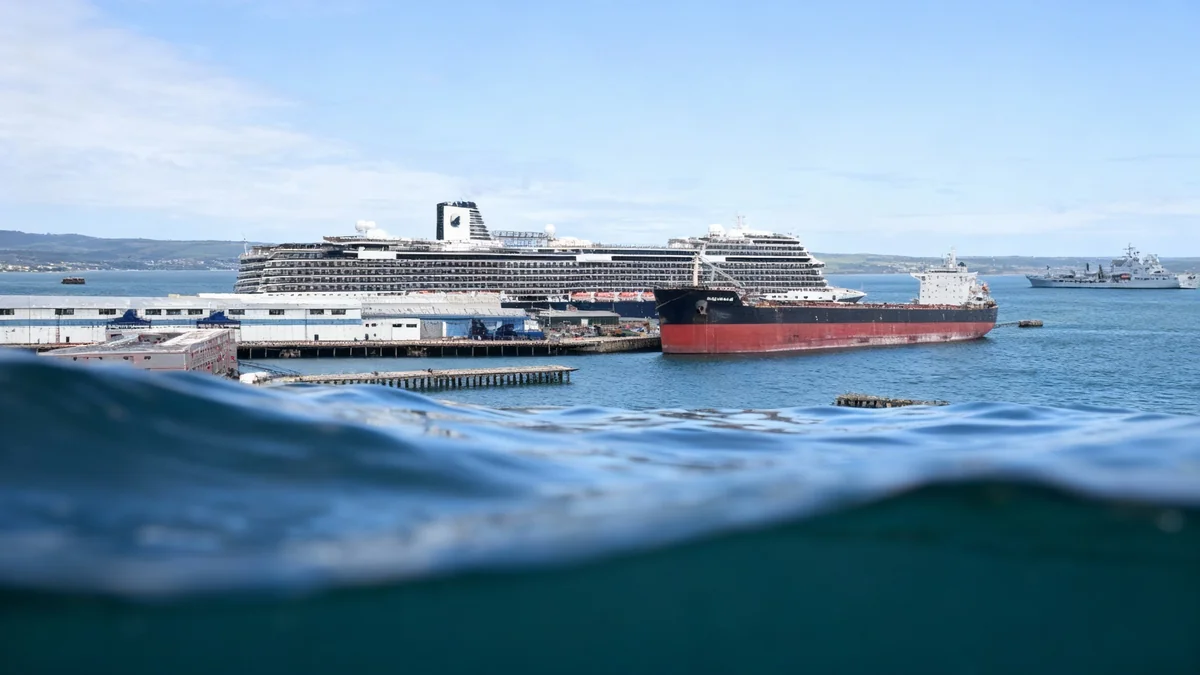
The MS Nieuw Statendam is a Pinnacle-class cruise ship operated by Holland America Line, a subsidiary of Carnival Corporation. It entered service in 2018 and has a capacity for over 2,600 passengers. The vessel is known for its modern amenities and sails on various itineraries, including the Caribbean.
Support for Passengers and Crew
Following such a distressing event, cruise lines focus on providing support to those affected. This includes the family of the missing individual, as well as other passengers and crew members who may be impacted by the incident.
Holland America Line has confirmed that its Care Team is actively providing support to the family of the missing guest. Counseling services are also typically made available to any passengers or crew who require them. The ship's captain is responsible for keeping passengers informed of the situation and any resulting changes to the itinerary.
The investigation into the incident will continue, involving both the cruise line and relevant maritime authorities. The goal of these investigations is to understand the circumstances fully and to continuously improve safety protocols across the industry. For now, the focus remains on supporting the family during this difficult time.