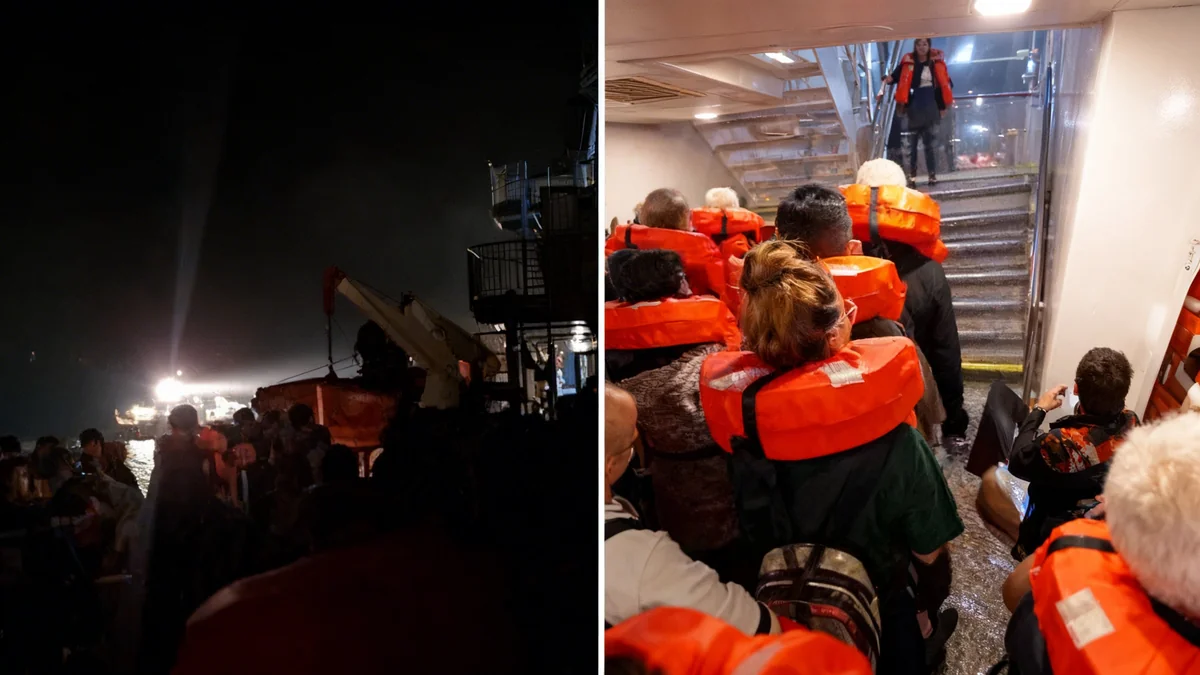
A luxury expedition cruise ship, the Scenic Eclipse II, found itself trapped in thick sea ice near Antarctica's Ross Sea on Saturday. The vessel required assistance from the United States Coast Guard's heavy icebreaker, USCGC Polar Star, to break free and continue its journey.
Key Takeaways
- Scenic Eclipse II became immobilized in dense pack ice near McMurdo Sound.
- The US Coast Guard's USCGC Polar Star responded to the distress call.
- The icebreaker made multiple passes to free the cruise ship.
- No injuries were reported among the 228 guests and 176 crew members.
- The rescue coincided with Polar Star's 50th year of service.
Cruise Ship Trapped in Ross Sea
The incident occurred while the Scenic Eclipse II was navigating the challenging waters of the Ross Sea. The ship, designed for expedition travel, encountered unexpectedly dense pack ice. It became unable to move forward on its own. The vessel was approximately eight miles from McMurdo Sound when it requested help.
The U.S. Coast Guard confirmed receiving the request late Friday night. The Coast Guard stated that the cruise ship was unable to break through the surrounding frozen pack. This prompted the deployment of the USCGC Polar Star, the nation's only active heavy icebreaker.
Did You Know?
The Scenic Eclipse II can carry up to 228 guests and 176 crew members. During Antarctic sailings, the passenger capacity is often reduced for safety and comfort.
Polar Star's Swift Response
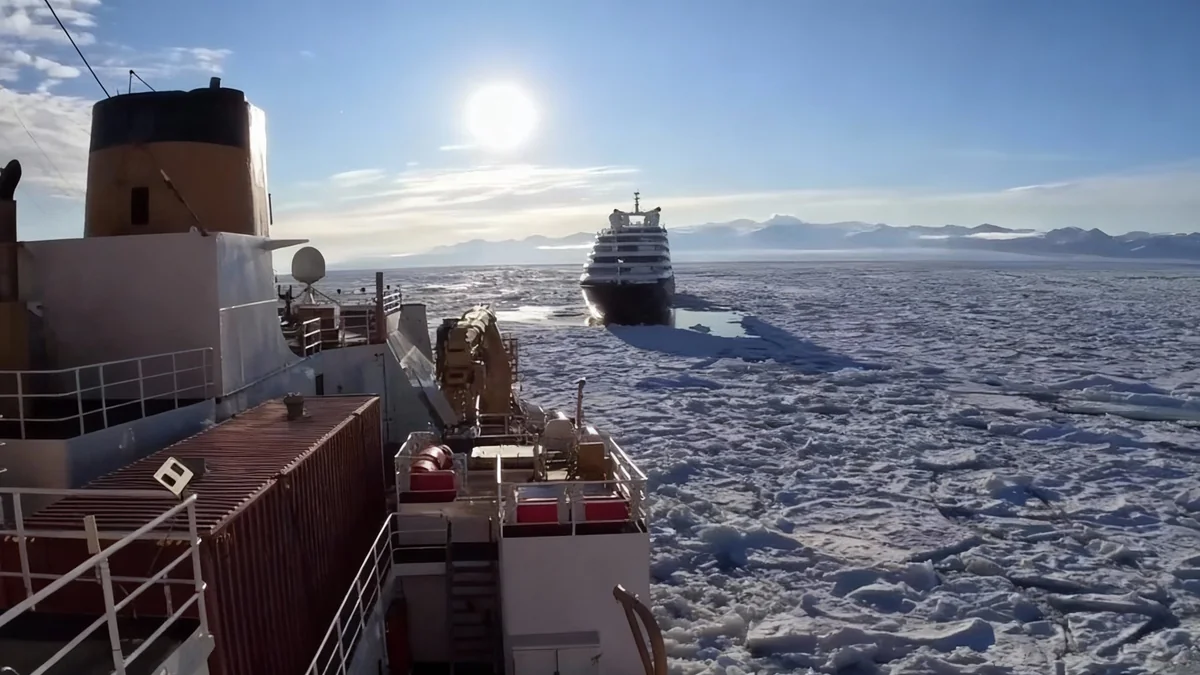
Footage from a Coast Guard member showed the USCGC Polar Star maneuvering through the heavy ice. The icebreaker approached the stranded Scenic Eclipse II. Upon reaching the location, the Polar Star began its operation. It made several close passes through the surrounding ice. This action was crucial to loosen the frozen pack that held the cruise ship.
The crew of the Polar Star worked efficiently to create a path. This allowed the Scenic Eclipse II to gain freedom from the ice. Once freed, the Coast Guard vessel escorted the cruise ship for several miles. This ensured it reached open water and could safely resume its voyage.
"We were grateful for the professionalism and cooperation of the crew of USCG Polar Star during our operations in the Ross Sea. While Scenic Eclipse II was never in need of rescue services, the coordination between both vessels ensured we could navigate the changing pack ice safely and efficiently," said Captain James Griffiths, Scenic Group’s general manager of ocean operations.
Safety Ensured for Passengers and Crew
Despite the challenging conditions, there were no reported injuries among the guests or crew members aboard the Scenic Eclipse II. The cruise line confirmed that the vessel was able to continue its journey without further incident. The safety of everyone onboard was a top priority during the operation.
Scenic Group released a statement regarding the event. They noted that progress was slower than planned due to changes in the pack ice. This led the captain to request assistance. They emphasized that the collaboration with the Polar Star helped avoid a longer sailing period at reduced speed. The cruise line also highlighted a memorable moment: champagne was served on the Observation Deck after the ship was freed, celebrating the successful navigation.
About Operation Deep Freeze
The USCGC Polar Star conducts annual missions to McMurdo Station in Antarctica. This is part of Operation Deep Freeze. Its primary role is to break through miles of ice, which can reach up to 21 feet thick, to clear shipping lanes for supply vessels.
A Milestone for the Icebreaker
The assistance provided to the Scenic Eclipse II coincided with a significant milestone for the USCGC Polar Star. The Coast Guard vessel marked its 50th year of commissioned service on the very same day it helped the cruise ship. This highlights the enduring capability and importance of the Polar Star.
Based in Seattle, the Polar Star is the United States’ sole active heavy icebreaker. It was commissioned in 1976. The vessel is powered by multiple high-output engines. These engines allow it to break through miles of thick Antarctic ice. Its missions are vital for supporting scientific research and logistical operations in the polar regions.
"At 50 years old, Polar Star remains the world’s most capable non-nuclear icebreaker," stated Commander Samuel Blase, Polar Star’s executive officer. His comments underscore the vessel's critical role and impressive longevity.
The Importance of Heavy Icebreakers
Heavy icebreakers like the Polar Star are essential for maintaining access to polar regions. They clear paths for research vessels, supply ships, and even expedition cruise ships. Their ability to navigate and break through formidable ice packs ensures safe passage in some of the world's most extreme environments.
The incident with the Scenic Eclipse II serves as a reminder of the unpredictable nature of Antarctic waters. It also shows the vital role that dedicated vessels and skilled crews play in ensuring safety and facilitating operations in these remote areas. The successful outcome is a testament to the Coast Guard's readiness and the Polar Star's capabilities.