A woman is suing SeaWorld Orlando following an incident on the Mako roller coaster where she was allegedly struck by a duck. The lawsuit claims the impact rendered her unconscious and caused significant injuries. This legal action highlights concerns over park safety and wildlife interaction near high-speed attractions.
Key Takeaways
- A lawsuit has been filed against SeaWorld Orlando by a woman injured on the Mako roller coaster.
- The incident involved a duck reportedly striking the woman in the face during the ride.
- The plaintiff seeks at least $50,000 in damages, citing negligence by SeaWorld.
- The complaint alleges SeaWorld created a 'zone of danger' for bird strikes.
- Florida authorities were not notified of the incident, which is a requirement for theme parks.
Details of the Lawsuit Against SeaWorld
The lawsuit, filed in Orange County on Monday, stems from an event that occurred on March 24. The plaintiff, an Orange County resident, was riding the Mako roller coaster at SeaWorld Orlando when the alleged incident took place. According to the complaint, a duck flew into the path of the roller coaster and struck her directly in the face.
This impact reportedly caused the woman to lose consciousness and suffer various injuries. She is now seeking at least $50,000 in damages from SeaWorld Orlando. The legal action asserts that SeaWorld was negligent in its duty to maintain a safe environment for its guests.
Incident Snapshot
- Date of Incident: March 24
- Location: Mako Roller Coaster, SeaWorld Orlando
- Alleged Cause: Duck strike to the face
- Plaintiff's Status: Unconscious after impact, sustained injuries
- Damages Sought: At least $50,000
Allegations of Negligence and 'Zone of Danger'
The core of the lawsuit focuses on SeaWorld's alleged negligence. The complaint argues that the theme park failed to keep its premises reasonably safe. Furthermore, it claims SeaWorld did not warn visitors of potential dangerous conditions that the park knew or should have known about.
A significant part of the complaint details how SeaWorld allegedly created a "zone of danger" for bird strikes. This argument is based on several factors related to the Mako roller coaster's design and location.
"Defendant created a zone of danger for bird strikes due to: (a) the high speed of the roller coaster making a collision with a flying bird a high-impact event; (b) placing the roller coaster over or near a body of water which creates a higher risk of bird strikes involving ducks, gulls, geese, and other waterfowl; (c) placing the roller coaster within the known territory of waterfowls in the area; and (d) designing the ride in such as way as to disorient waterfowls thereby increasing the risk of collision."
Key Factors Cited in the Complaint:
- High-Speed Ride: The Mako roller coaster operates at high speeds, making any collision a severe event.
- Proximity to Water: The ride's location near or over a body of water increases the likelihood of encountering waterfowl like ducks, gulls, and geese.
- Known Wildlife Territory: The roller coaster is situated within an area known to be inhabited by waterfowls.
- Ride Design: The complaint suggests the ride's design might disorient birds, further increasing collision risks.
Plaintiff's Alleged Injuries and Seeking a Jury Trial
The woman claims to have suffered extensive and permanent injuries due to the incident. These include physical and mental pain and suffering. The lawsuit also states she has lost the ability to lead a normal life and enjoy life's activities. It also mentions the aggravation of a pre-existing condition.
The law firm Morgan and Morgan is representing the plaintiff. They are seeking a jury trial to resolve the case. This indicates a desire for a full legal process to determine accountability and damages.
About the Mako Roller Coaster
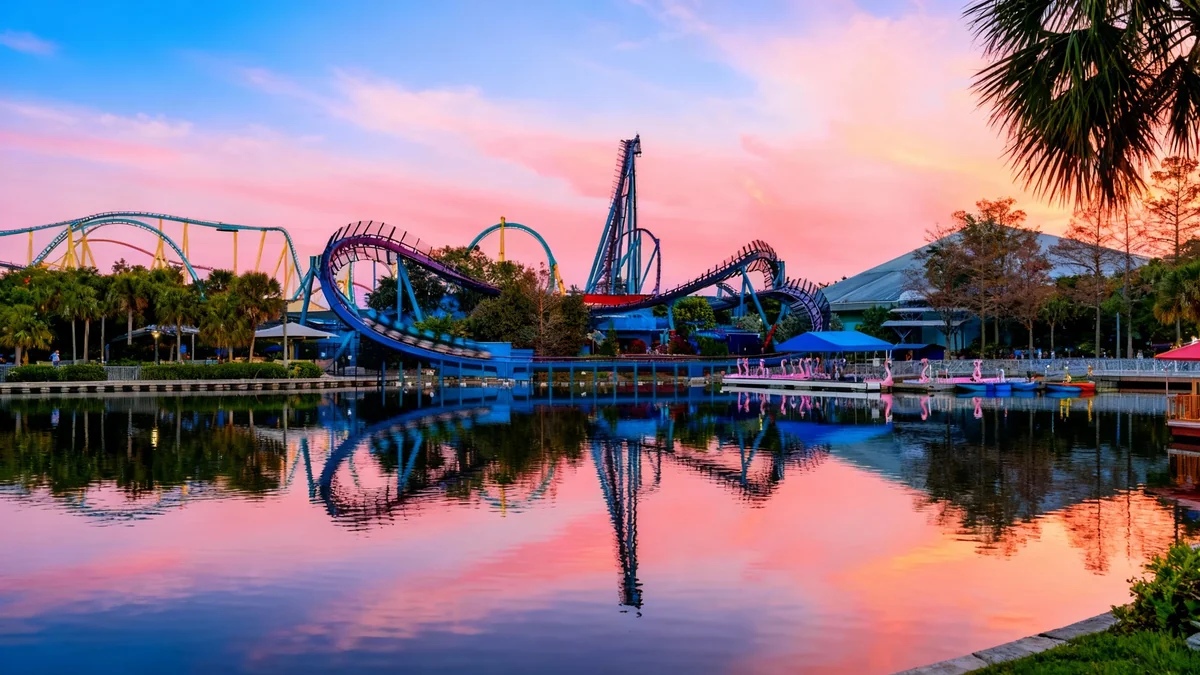
The Mako roller coaster at SeaWorld Orlando is known for its high speeds and significant drops. It is themed after the Mako shark, one of the fastest sharks in the ocean. The ride is a prominent attraction at the park, drawing many visitors.
Roller coasters, by their nature, involve significant speeds and forces. Parks are generally expected to ensure guest safety during these experiences, including mitigating risks from external factors where possible.
Unreported Incident Raises Questions
A notable aspect of this case is that the incident was reportedly not reported to the Florida Department of Agriculture and Consumer Services. This state agency mandates that theme parks, including SeaWorld and Walt Disney World, report injuries occurring on their attractions.
The failure to report such an incident could lead to additional scrutiny and potential consequences for the park. This requirement ensures that state authorities can monitor safety standards and investigate any patterns of injury or hazard.
Reporting Requirements for Theme Parks:
- Theme parks in Florida must report ride-related injuries to the Department of Agriculture and Consumer Services.
- This rule applies to major parks like SeaWorld and Walt Disney World.
- The purpose is to maintain public safety oversight and track incidents.
The ongoing lawsuit will delve into these claims, examining SeaWorld's safety protocols and whether the park met its obligations to protect guests. The outcome could set precedents for how theme parks manage wildlife interactions near high-speed rides and their reporting responsibilities for guest injuries.