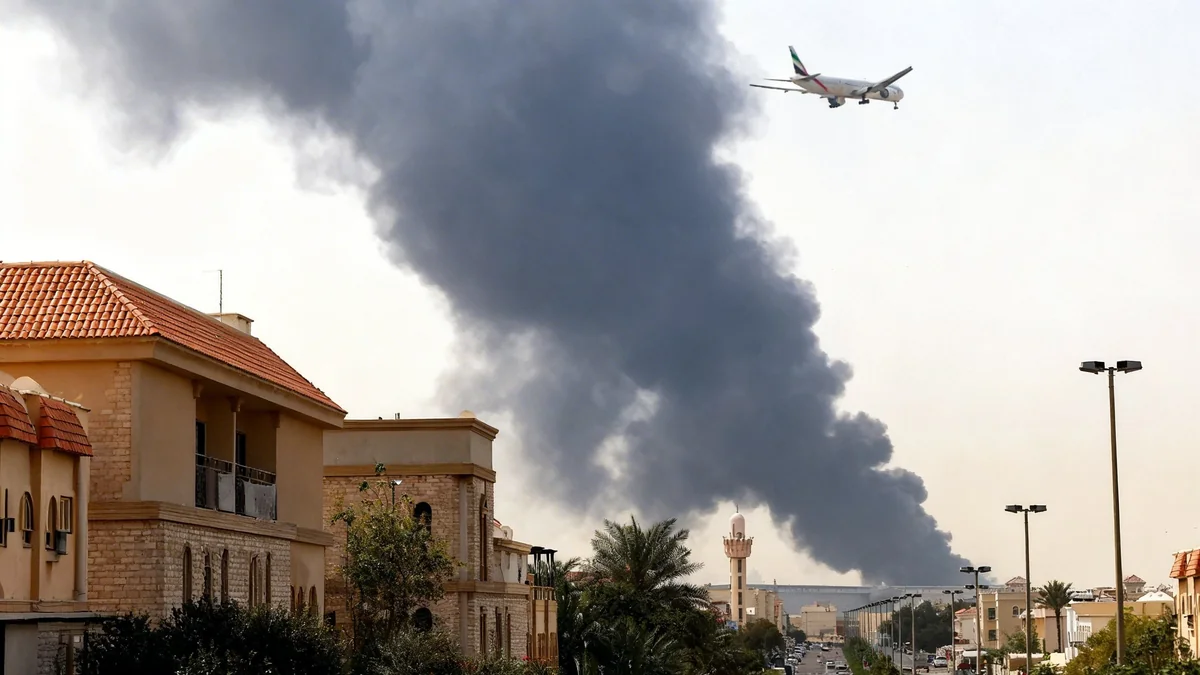

Airlines across Asia are implementing higher fares and fuel surcharges. This comes as global oil prices experience significant fluctuations, leading to concerns about potential jet fuel shortages. The instability is prompting a shift in demand towards alternative flight routes, particularly for travel to Europe.
Key Takeaways
- Asian airlines are raising fares and fuel surcharges.
- Wild swings in oil prices are contributing to these increases.
- Fears of jet fuel shortages are impacting the industry.
- Over 43,000 flights in and out of the Middle East were canceled.
- Demand for alternative routes to Europe is surging.
Impact of Oil Price Swings on Air Travel
The airline industry is grappling with significant challenges stemming from volatile oil prices. Carriers in Asia have begun adjusting their pricing structures to mitigate the financial impact. This includes both an increase in base fares and the reintroduction or hike of fuel surcharges. The market uncertainty is creating a difficult operating environment for airlines.
Industry experts are closely monitoring the situation. The primary concern revolves around the potential for disruptions in jet fuel supply. If the current geopolitical situation escalates, shortages could become more widespread, further complicating airline operations and increasing costs.
Flight Cancellations
Between February 28 and March 10, more than 43,000 flights scheduled to depart from or arrive in the Middle East were canceled. This data highlights the immediate impact of regional instability on air traffic.
Shift in Passenger Travel Patterns
The ongoing situation is also influencing passenger behavior. Travelers are actively seeking alternative routes to reach their destinations, especially for journeys to Europe. This increased demand for flights that bypass the Middle East is directly contributing to higher ticket prices on these specific corridors.
Airlines are responding to these shifts by adjusting their networks. However, the sudden surge in demand on certain routes, coupled with reduced capacity in affected areas, creates upward pressure on pricing. Passengers are experiencing fewer direct options and longer travel times in some cases.
"The aviation sector is highly sensitive to fuel costs. When oil prices swing wildly, airlines must adapt quickly to maintain operational stability. This often translates to higher costs for consumers," explained an industry analyst during a recent briefing.
Airline Strategies for Cost Management
Many airlines employ various strategies to manage fuel price volatility. Some carriers use hedging strategies to lock in fuel prices, providing a buffer against sudden spikes. However, not all airlines hedge extensively, leaving them more exposed to market fluctuations.
For airlines without robust hedging, the impact of rising oil prices is felt almost immediately. This can lead to rapid adjustments in ticket prices and surcharges to cover increased operational expenses. The goal is to balance profitability with maintaining competitive fares.
Global Fuel Market Dynamics
The price of jet fuel is directly tied to global crude oil prices. Geopolitical events can cause significant disruptions to oil production and supply chains, leading to sharp price increases. These increases then ripple through the transportation sector, affecting airlines and, ultimately, travelers.
Future Outlook for Air Fares
The immediate future suggests continued vigilance for both airlines and travelers. As long as oil prices remain unstable and geopolitical tensions persist, airfares are likely to reflect these pressures. Consumers should anticipate potential price adjustments and consider booking well in advance, especially for popular routes.
Airlines will continue to monitor the market closely, making decisions based on fuel costs, demand patterns, and operational feasibility. The focus remains on ensuring safety and reliability while navigating a complex global environment.
- Jet Fuel Costs: A major component of an airline's operating expenses.
- Route Adjustments: Airlines may alter flight paths to avoid certain regions.
- Consumer Impact: Travelers face higher ticket prices and fewer direct options.
Long-Term Industry Adaptations
In the long term, the aviation industry continues to seek more fuel-efficient aircraft and alternative fuel sources to reduce its reliance on traditional jet fuel. These efforts, however, require significant investment and time to implement on a broad scale. For now, market dynamics will dictate pricing.
Airlines are also exploring ways to optimize their operational efficiency. This includes better flight planning, reducing aircraft weight, and improving ground operations. Every measure helps to mitigate the impact of external cost pressures.