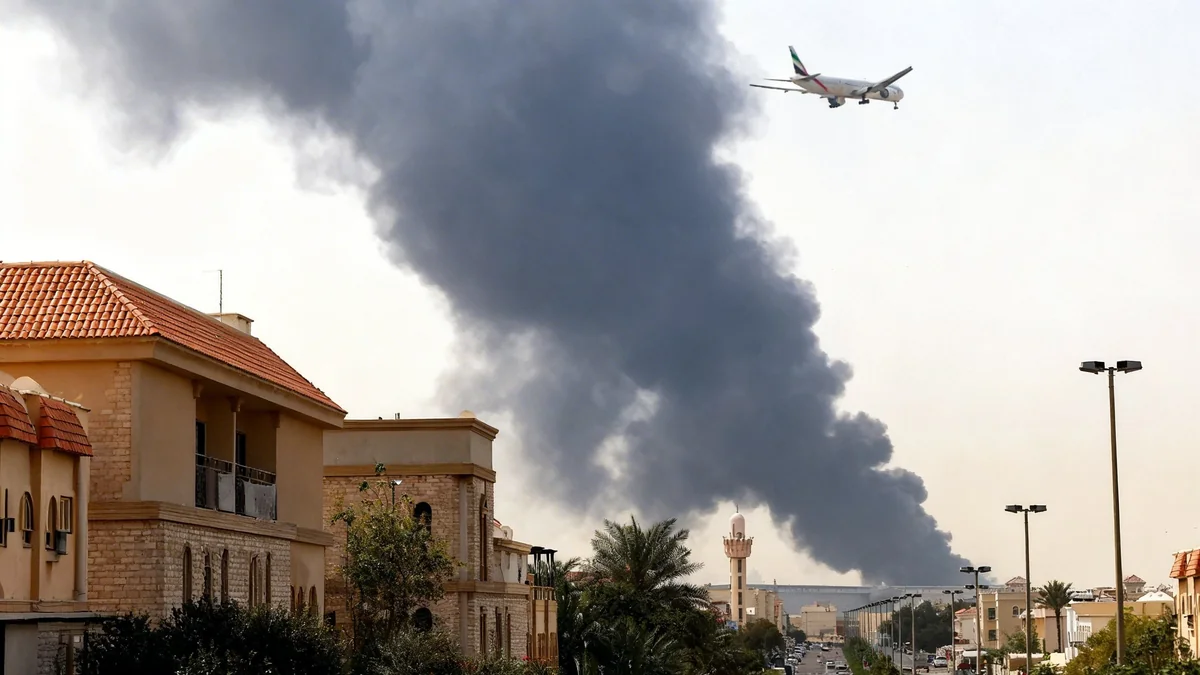
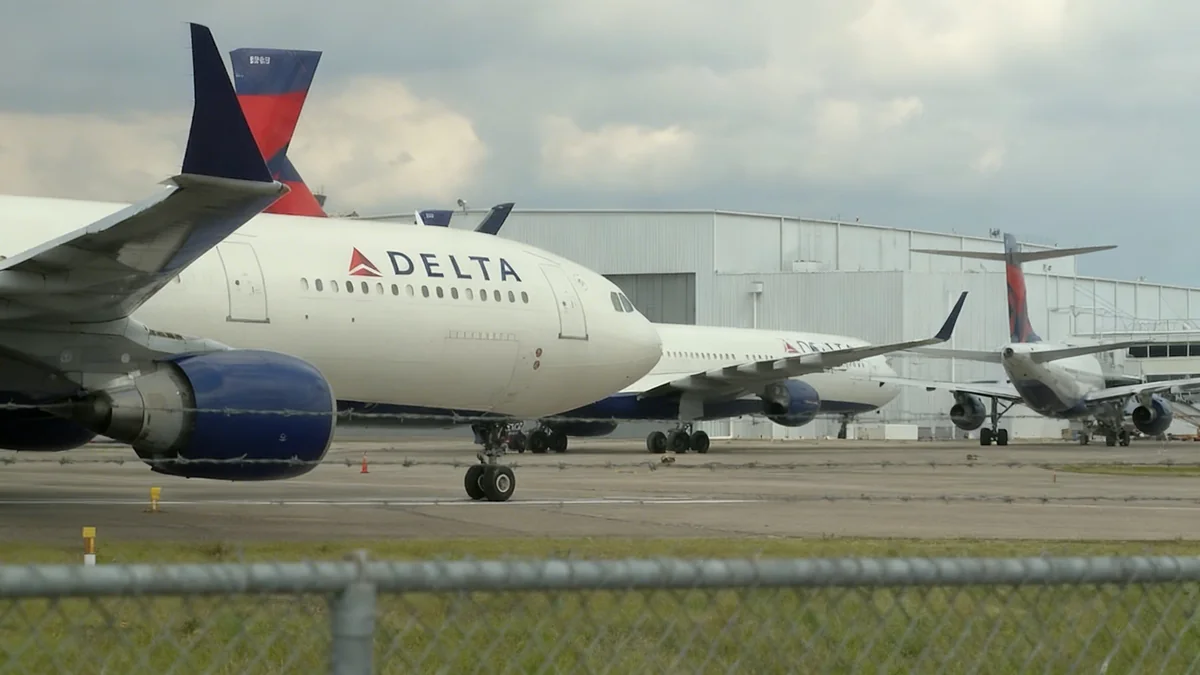
A Delta Air Lines flight bound for Atlanta from Savannah experienced a significant mechanical issue on Sunday evening. The Boeing 737, carrying passengers for Delta flight 1067, returned safely to Savannah/Hilton Head International Airport (SAV) after its left engine failed during takeoff, sparking a grass fire on airport grounds.
Emergency services responded quickly, extinguishing the fire within 30 minutes. All passengers deplaned without injury approximately an hour after the aircraft landed. The Federal Aviation Administration (FAA) has launched an investigation into the incident.
Key Takeaways
- Delta flight 1067 from Savannah to Atlanta experienced a left engine failure during takeoff.
- The incident caused a grass fire at Savannah/Hilton Head International Airport.
- The Boeing 737-900 returned safely, and passengers deplaned normally.
- The FAA is currently investigating the mechanical issue.
- Passengers faced delays and reaccommodation due to the incident.
Engine Failure During Takeoff Ignites Fire
The incident occurred around 7 p.m. on Sunday. Witnesses on board described a loud boom as the plane prepared for departure. Despite the issue, the aircraft initially took off but remained at a low altitude before the crew made the decision to return to Savannah.
The failed engine is confirmed to be the cause of the grass fire. Fire department personnel were on standby and acted swiftly upon the plane's safe return. The flames were brought under control within a short period, preventing further damage.
Incident Timeline
- 7:00 PM Sunday: Delta flight 1067 departs Savannah.
- Shortly After Takeoff: Left engine experiences mechanical issue, sparks grass fire.
- Within Minutes: Aircraft returns safely to Savannah airport.
- 30 Minutes Later: Airport fire department extinguishes grass fire.
- 1 Hour After Landing: Passengers deplane normally at the gate.
Passenger Experience and Airline Response
Travelers on board the affected flight reported hearing a significant noise during the initial moments of takeoff. Despite the alarming situation, the flight crew managed the return to the airport effectively, ensuring a safe landing.
“Delta flight 1067 from Savannah to Atlanta returned to the airport soon after takeoff Sunday evening, following a mechanical issue with the aircraft’s left engine. The Boeing 737-900 landed safely and was met by fire trucks, and customers deplaned normally at the gate. The safety of our customers and crew is our highest priority. We are working to reaccommodate all customers on alternate flights. We apologize to our customers for this delay in their travels.”
This statement from Delta Air Lines confirmed the sequence of events and emphasized the airline's commitment to passenger safety. The airline immediately began efforts to rebook the affected passengers on alternative flights to Atlanta.
Impact on Airport Operations and Investigations Underway
While the grass fire was contained quickly, the incident led to temporary disruptions at Savannah/Hilton Head International Airport. Some incoming flights were diverted to other airports, and several other departures experienced delays.
The Federal Aviation Administration has initiated an investigation into the mechanical issue that caused the engine failure. Such investigations typically involve examining the aircraft's maintenance records, interviewing the flight crew, and analyzing the flight data recorder.
Aviation Safety Protocols
Aircraft engines undergo rigorous maintenance schedules and inspections. In the event of an engine failure, pilots are trained to follow specific protocols, which include shutting down the affected engine and returning to the nearest suitable airport. Fire services are always on standby at airports for such emergencies.
Winter Weather Adds to Regional Flight Challenges
The incident in Savannah comes at a time when Delta Air Lines and other carriers are already facing significant operational challenges across the southeastern United States. Severe winter weather conditions have led to thousands of flight cancellations and delays throughout the region.
Delta Air Lines has deployed additional staff to key hubs, including Birmingham-Shuttlesworth International Airport, to manage the increased demand and assist passengers impacted by the widespread disruptions. The combination of mechanical issues and inclement weather has created a challenging travel environment for many passengers this week.
- Thousands of flights canceled across the Southeast due to winter weather.
- Delta sends extra staff to hubs like Birmingham to assist travelers.
- Passengers affected by the Savannah incident face rebooking challenges amidst broader regional delays.
Authorities have not yet released a timeline for the completion of the FAA's investigation. Travelers are advised to check their flight status regularly, especially given the ongoing weather-related issues affecting air travel in the region.