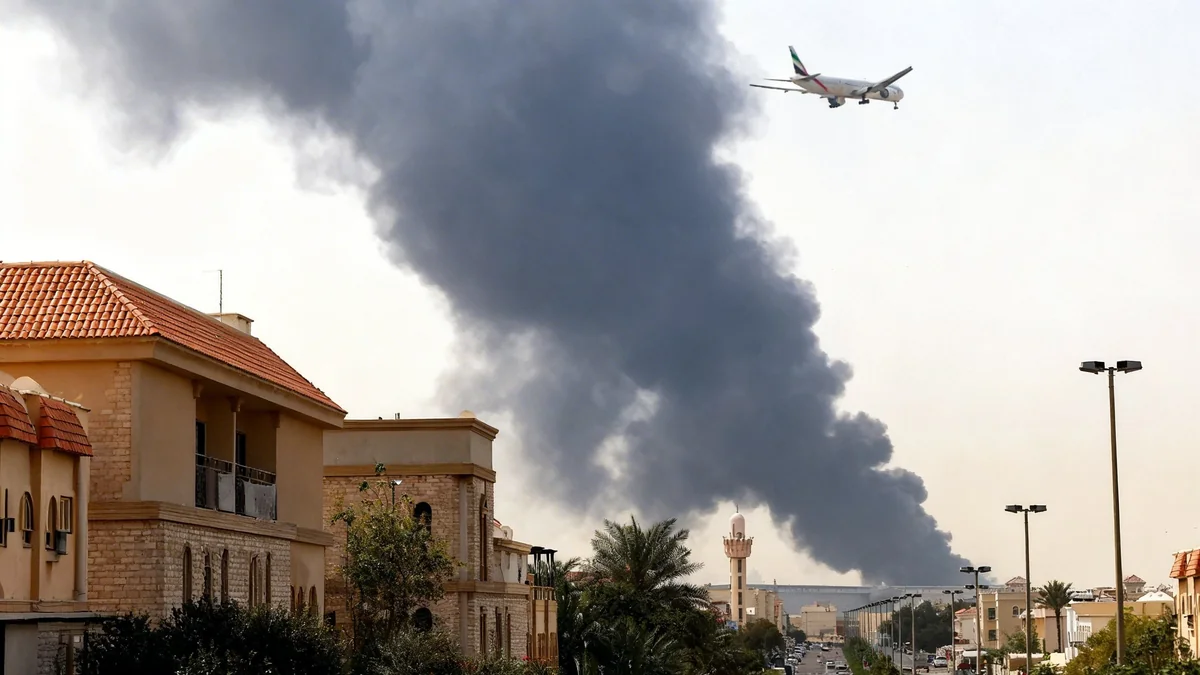
JetBlue Airways initiated a ground stop across all its operational destinations on Tuesday, March 10, according to an advisory released by the U.S. Federal Aviation Administration (FAA). The directive temporarily halted all JetBlue flights, causing widespread disruptions for travelers.
The FAA confirmed the ground stop was issued at the airline's own request. Specific details regarding the reason for the request were not immediately available. JetBlue has not yet provided an official statement regarding the incident.
Key Takeaways
- JetBlue Airways requested a ground stop for all its flights.
- The FAA issued the advisory on Tuesday, March 10.
- Reason for the ground stop remains undisclosed by JetBlue.
- Ground stops are standard air traffic control measures for various issues.
Understanding a Ground Stop
A ground stop is a critical air traffic control procedure designed to manage the flow of air traffic. It involves temporarily halting departing flights for a specific airline or at a particular airport. These measures are not uncommon in the aviation industry.
The FAA implements ground stops for several reasons. These can include severe weather conditions, which impact visibility or runway safety. Operational issues within an airline, such as system outages or staffing challenges, can also trigger a request for a ground stop. Safety concerns are always a primary consideration.
Fact Check: Ground Stops
- Purpose: Manage air traffic flow and ensure safety.
- Causes: Weather, operational issues, safety concerns.
- Impact: Temporarily halts departing flights.
Immediate Impact on Travelers
The ground stop immediately affected JetBlue passengers across its network. Travelers scheduled for flights on Tuesday, March 10, likely experienced significant delays or cancellations. Such events can lead to a cascade of disruptions, including missed connections and extended wait times at airports.
Passengers are advised to check their flight status directly with JetBlue Airways. Airlines typically provide updates through their websites, mobile applications, and airport information screens. Communication during these events is crucial for minimizing passenger inconvenience.
"A ground stop is an air traffic control measure that temporarily halts flights, usually due to safety, weather, or operational issues."
Airline Communication During Disruptions
During periods of operational disruption, airlines are expected to provide clear and timely information to their customers. This includes informing passengers about the nature of the delay, estimated new departure times, and options for rebooking or compensation, as applicable under passenger rights regulations.
The lack of immediate detail from JetBlue regarding the reason for this particular ground stop has left many passengers seeking answers. Transparency helps manage expectations and reduces frustration among affected individuals.
Aviation Regulatory Framework
The FAA plays a crucial role in overseeing the safety and efficiency of the U.S. national airspace system. Its advisories and directives, like ground stops, are binding measures designed to maintain operational integrity. Airlines must comply with these instructions for the safety of all involved.
These regulatory actions underscore the complex coordination required to manage thousands of flights daily. Even a single airline's operational challenge can have far-reaching effects across the entire air travel network.
Previous Incidents and Industry Response
Airline ground stops are not unprecedented. In recent years, various airlines have faced similar situations due to technology outages, severe weather, or internal operational challenges. Each incident highlights the delicate balance required to maintain smooth air travel.
The aviation industry continuously invests in technology and operational protocols to minimize such disruptions. However, the interconnected nature of air travel means that even minor issues can escalate quickly, affecting thousands of passengers and numerous flights.
Technological Resilience in Aviation
Modern airlines rely heavily on complex IT systems for everything from ticketing and baggage handling to flight planning and air traffic communication. A glitch in any of these systems can severely impact operations. This makes cybersecurity and system resilience paramount for airline stability.
The industry is always seeking ways to enhance its technological infrastructure. This includes developing redundant systems and robust backup plans to ensure continuity of service even during unexpected outages. The goal is to prevent a single point of failure from causing widespread disruption.
- System Redundancy: Implementing backup systems to prevent total failure.
- Cybersecurity: Protecting critical airline IT infrastructure from attacks.
- Operational Protocols: Clear procedures for managing unexpected events.
Looking Ahead: What Passengers Should Do
For passengers currently affected by the JetBlue ground stop, patience is essential. The situation is dynamic, and information may change rapidly. It is important to stay updated through official airline channels and avoid relying on unverified sources.
If a flight is canceled, passengers typically have options for rebooking on the next available flight or receiving a refund. Understanding individual airline policies and passenger rights can help travelers navigate these challenging situations more effectively. Consulting with airline customer service representatives is recommended for personalized assistance.
This event serves as a reminder of the inherent complexities of air travel and the importance of preparedness for unexpected delays. While inconvenient, ground stops are ultimately implemented for safety and operational control.