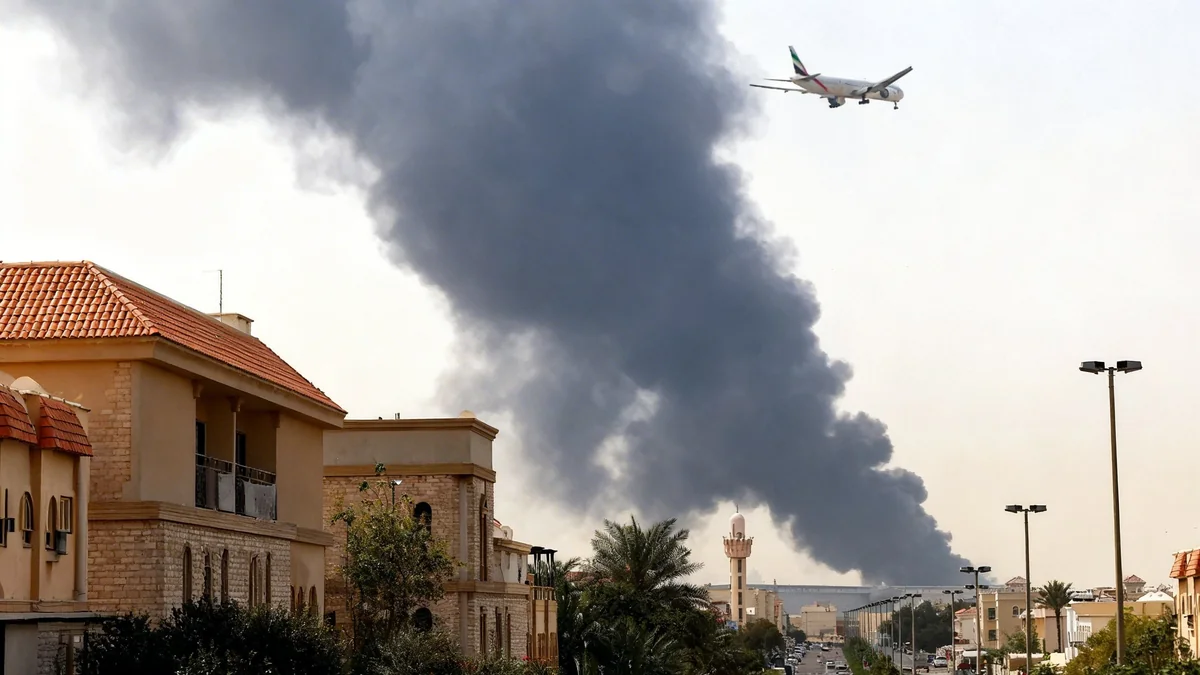
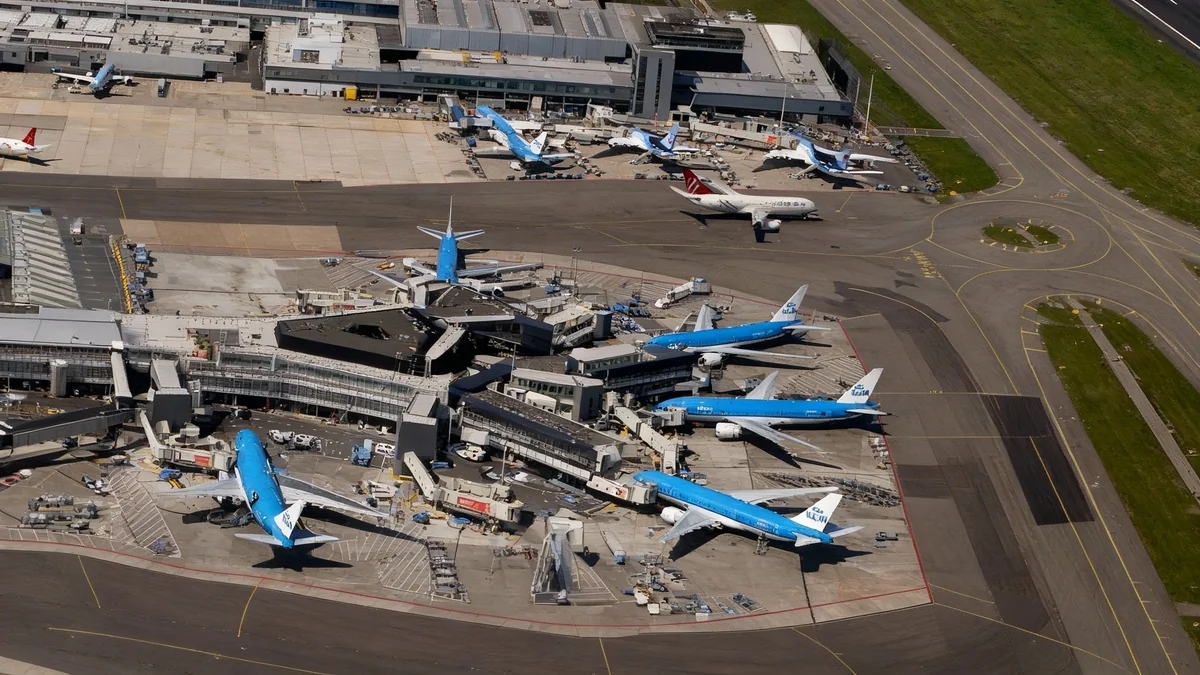
Dutch airline KLM has announced it will avoid flying over significant portions of the Middle East, including the airspace of Iran, Iraq, and Israel, due to escalating regional tensions. The decision, effective immediately and until further notice, impacts routes to key destinations such as Dubai, Riyadh, Dammam, and Tel Aviv.
Key Takeaways
- KLM is avoiding airspace over Iran, Iraq, and Israel.
- Flights to Dubai, Riyadh, Dammam, and Tel Aviv are affected.
- The decision stems from rising geopolitical tensions in the Middle East.
Airline Prioritizes Passenger Safety
The airline, a subsidiary of Air France-KLM, did not specify the exact incident prompting this change. However, the move comes amidst growing concerns over potential conflict between the United States and Iran. Recent reports indicate the US has deployed military assets to the region, including an aircraft carrier strike group.
A KLM spokesperson confirmed the new flight paths. "As a precaution, given the geopolitical situation, KLM will not fly through the airspace of Iran, Iraq and Israel and will not fly over several countries in the Gulf region," the spokesperson stated.
Fact Check
An Iranian official recently stated that any attack on Iran would be considered "an all-out war." This declaration highlights the severe nature of the current geopolitical climate.
Impact on Routes and Destinations
The rerouting means direct flights to several major Middle Eastern hubs are temporarily suspended. Passengers planning travel to or from Dubai, Riyadh, Dammam, and Tel Aviv with KLM will experience disruptions.
Airlines often adjust flight paths in response to geopolitical events. These decisions are typically made to ensure the safety of passengers and crew, adhering to international aviation safety protocols.
Broader Implications for Air Travel
This development by KLM is not isolated. Other airlines have also implemented changes to their routes in the past when regional stability is in question. Such measures can lead to longer flight times and increased operational costs for carriers.
Background on Airspace Restrictions
Airlines routinely assess potential risks in various airspaces. Factors include military activity, political instability, and the presence of anti-aircraft capabilities. International aviation bodies issue guidance, but individual airlines make final decisions based on their own risk assessments.
Geopolitical Landscape and Aviation Safety
The Middle East has seen fluctuating periods of tension. Recent events have heightened these concerns, leading to a cautious approach from international carriers. Airlines must balance operational efficiency with paramount safety considerations.
"The safety and security of our passengers and crew remain our highest priority," a KLM representative emphasized, underscoring the rationale behind the precautionary measures.
These decisions by major airlines like KLM reflect a global sensitivity to regional conflicts. They illustrate how geopolitical events can directly influence international travel and commerce.
Passenger Advisories and Future Outlook
Travelers with upcoming flights to the affected regions are advised to check KLM's official channels for the latest updates. The airline is expected to provide further information as the situation evolves.
The duration of these airspace restrictions remains uncertain. It depends on the de-escalation of tensions in the Middle East. Airlines will continue to monitor the situation closely.
Route Changes
- Airspace over Iran is being avoided.
- Airspace over Iraq is being avoided.
- Airspace over Israel is being avoided.
- Several Gulf region countries' airspace is also affected.
This action by KLM highlights the ongoing challenges faced by the global aviation industry in navigating complex international relations and ensuring secure air travel routes.