Travel across the Middle East has experienced widespread disruption following recent conflicts involving the United States, Israel, and Iran. Tens of thousands of travelers are currently stranded as numerous flights have been canceled and airspaces closed. Experts warn that the situation remains uncertain, with further disruptions expected in the coming days and weeks.
Key Takeaways
- Thousands of travelers are stranded due to widespread flight cancellations.
- Airspace closures in the Middle East force airlines to reroute or cancel flights.
- Travel advisories from governments urge citizens to leave affected regions.
- Increased operating costs for airlines may lead to higher ticket prices and fuel surcharges.
- Travel insurance policies often exclude acts of war, limiting coverage for affected passengers.
Flight Cancellations Strand Thousands
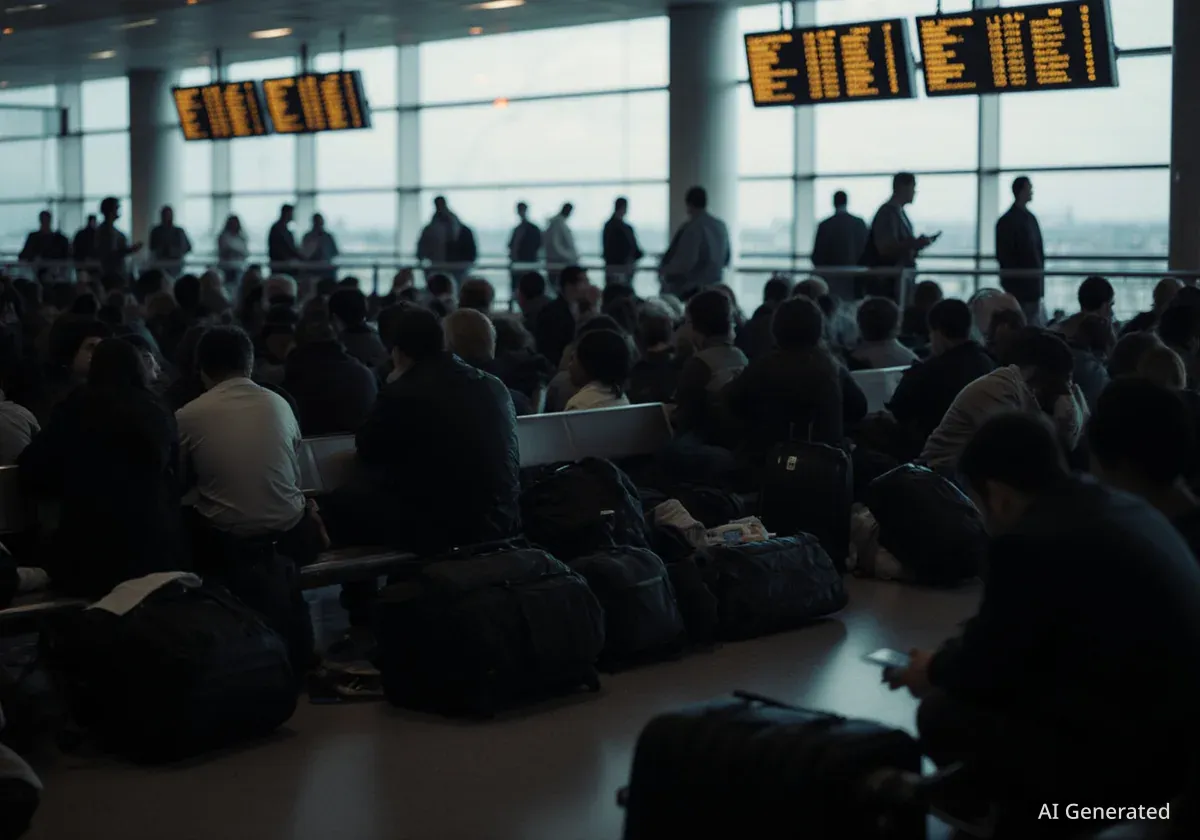
Since the initial attacks over the weekend, airlines have canceled a significant number of flights. Airports like Beirut Rafik Hariri International Airport saw many departures halted on Saturday, February 28, 2026. Passengers waited in terminals, checking departure boards that showed widespread cancellations.
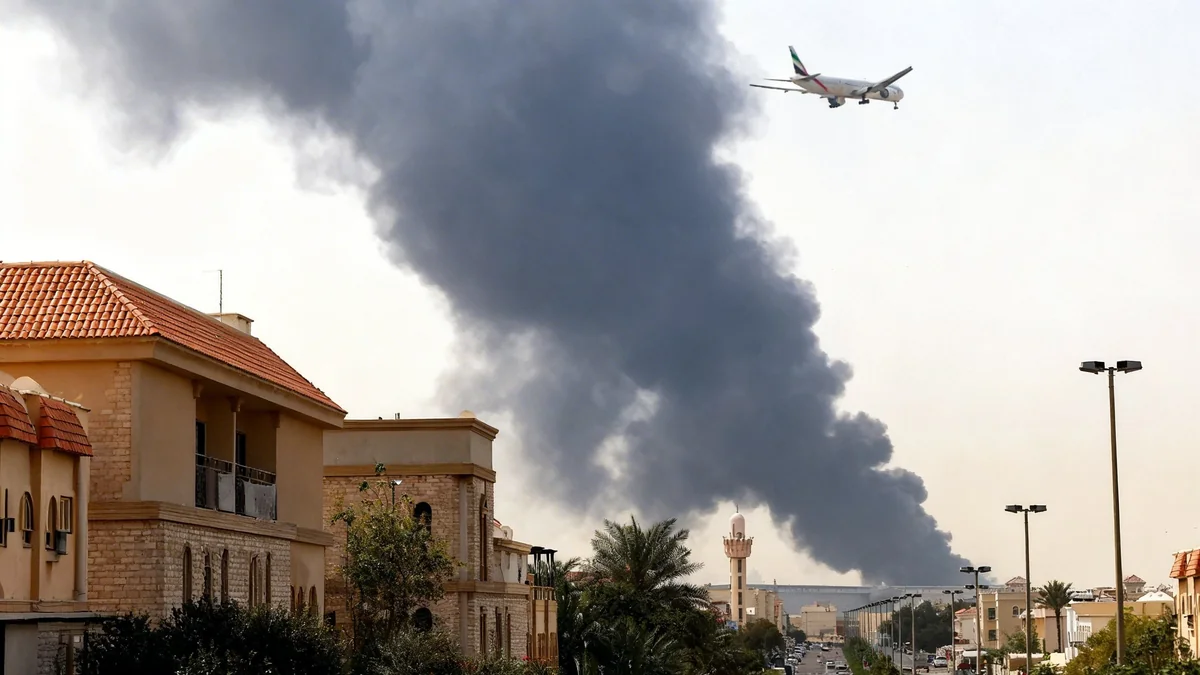
Major carriers such as Emirates and Etihad Airways, based in Dubai and Abu Dhabi, along with Doha-based Qatar Airways, have temporarily suspended specific routes. These suspensions are a direct result of airspace closures and safety mandates across the region. Images from Dubai International Airport on Sunday, March 1, 2026, showed numerous Emirates airplanes parked, indicating the scale of the grounding.
Traveler Impact
- Hundreds of thousands of people affected globally.
- Dozens of airlines have canceled or rerouted flights.
- Multiple airports in the Gulf region have experienced partial or full closures.
Government Travel Advisories Issued
Governments worldwide have issued urgent travel advisories and, in some cases, emergency evacuation orders for their citizens in the affected areas. The U.S. State Department on Monday urged all U.S. citizens to leave Iran, Israel, and several other Middle Eastern countries immediately.
Secretary of State Marco Rubio specifically asked the media to help publicize ways for Americans to evacuate. Countries including China, Italy, France, and Germany have also begun organizing evacuation efforts for their nationals. Travelers are advised to monitor these advisories closely.
"This is not a normal delay story. This is a conflict zone airspace story," said Hassan Shahidi, president and CEO of the Flight Safety Foundation. "Travelers should absolutely expect uncertainty."
Shahidi emphasized that traffic guidance from carriers, airports, and governments can change hourly. He recommends reconsidering or rebooking upcoming trips if travel is not essential.
Rising Costs for Airlines and Passengers
The conflict has forced many airlines to adopt longer routes to avoid closed airspaces. This practice, while ensuring safety, significantly increases operating costs. Airlines must pay more in "overflight fees" for using additional countries' airspaces and consume more fuel for extended flight times.
Bryan Terry, managing director at Alton Aviation Consultancy, predicts that these increased costs will likely be passed on to passengers. He anticipates that some carriers may impose fuel surcharges or raise existing fees if the conflict continues. Passengers have already reported observing higher ticket prices, reflecting immediate supply and demand shifts following mass cancellations.
Economic Impact
The price of crude oil, a major component of jet fuel, has spiked since the conflict began. Jet fuel accounted for approximately 30% of airlines' operating costs in 2024. Sustained high oil prices will further pressure airlines and lead to higher fares for consumers.
Insurance Limitations and Refund Policies
Travelers seeking refunds or insurance compensation face challenges. Many airlines are offering refund requests or free rebooking, but these options often come with specific date or route limitations. Passengers must check their carrier's website for detailed information.
Travel insurance policies typically exclude acts of war and civil unrest. Suzanne Morrow, CEO of InsureMyTrip, noted that these events are generally considered unpredictable and are therefore not covered. Christina Tunnah of World Nomads Travel Insurance reiterated that most policies exclude losses from acts of war. While a "cancel for any reason" plan might offer some compensation, it usually requires cancellation within a specific timeframe and before the event is widely known.
- Check airline policies: Verify refund or rebooking options directly with the airline.
- Review insurance fine print: Understand exclusions, especially for acts of war.
- Consider postponing: If travel is optional, experts advise delaying trips.
- Book refundable fares: For necessary travel, choose flexible ticket options.
Future Outlook Remains Uncertain
The ripple effects of this conflict extend beyond the Middle East, impacting global travel. Airports in the Gulf region serve as vital hubs connecting travelers to Europe, Africa, and Asia. Disruption in these hubs creates bottlenecks that can affect travel worldwide.
While current market data shows slightly lower prices for trips booked further out, experts caution that this could change rapidly if the conflict intensifies or prolongs. The situation demands constant vigilance from travelers, who should prioritize safety advisories and flexible booking options.