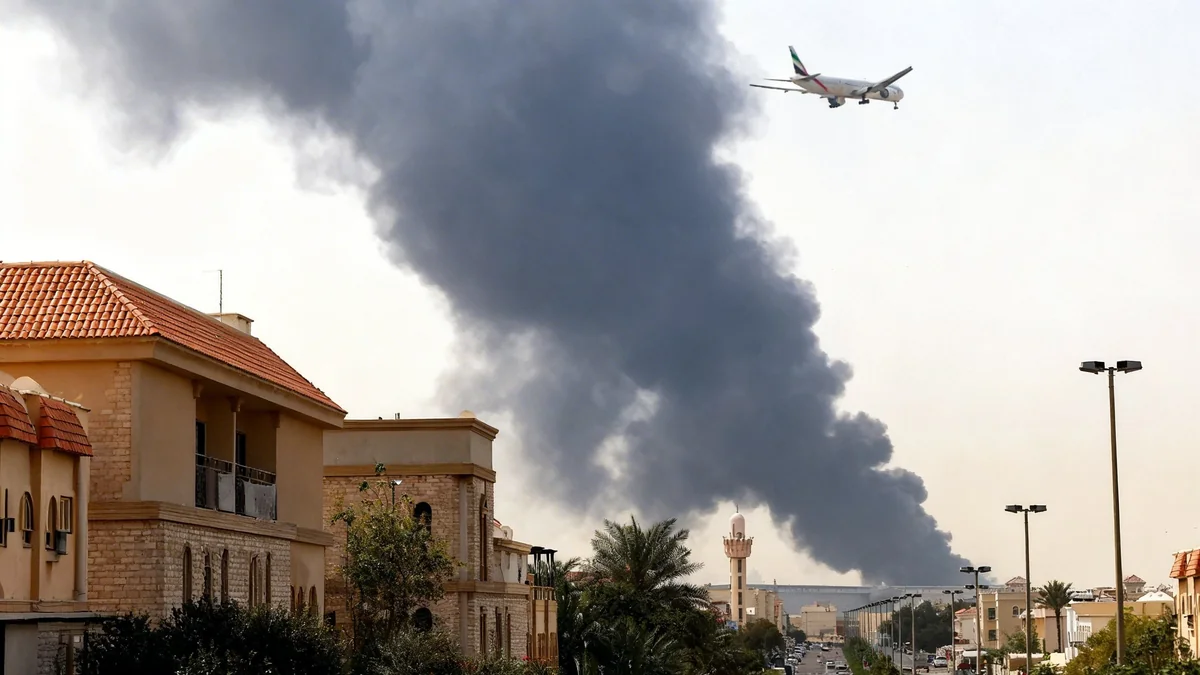
A KLM Royal Dutch Airlines flight from Amsterdam to Aruba experienced an unusual delay recently after an unexpected passenger — a rat — was discovered in the aircraft cabin. The incident led to the cancellation of the return flight, ensuring passenger safety and proper aircraft cleaning.
Key Takeaways
- A rat was found on KLM flight 767 from Amsterdam to Aruba.
- The stowaway caused the cancellation of the return flight to allow for thorough cleaning.
- KLM confirmed the incident, calling it "very exceptional."
- Passenger and crew well-being is the airline's top priority.
Unexpected Stowaway on Caribbean Route
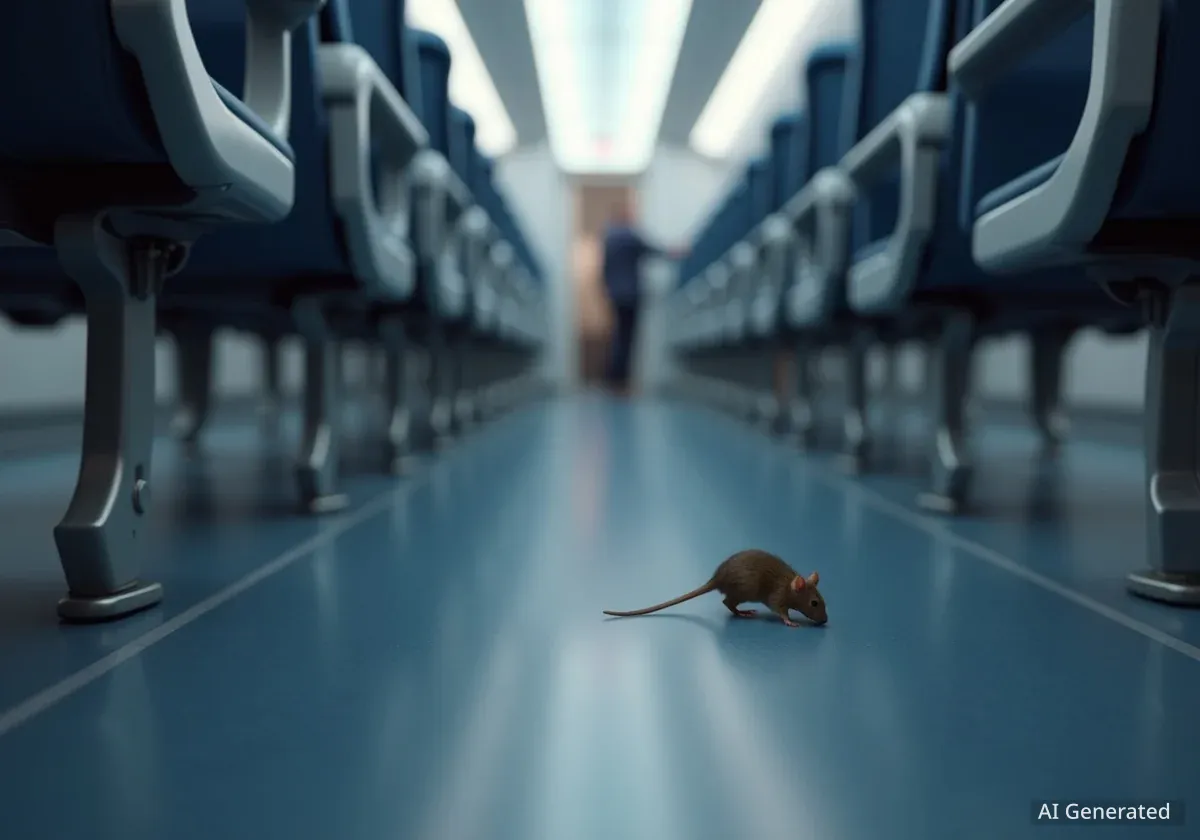
The incident unfolded on December 10, when KLM flight 767 was en route from Amsterdam to the Caribbean island of Aruba. Passengers observed a rat emerging from the overhead bins. The rodent then moved behind a curtain within the cabin, creating an unexpected disturbance.
Footage shared by Dutch media outlet De Telegraaf showed the rat's presence, confirming the unusual event. Airline staff monitored the animal throughout the remainder of the flight until the aircraft landed safely in Aruba.
Incident Details
- Flight: KLM flight 767
- Route: Amsterdam to Aruba
- Date: December 10
- Discovery: Rat seen emerging from overhead bin
Airline Responds to Rare Occurrence
KLM Royal Dutch Airlines confirmed the presence of the rat to reporters, stating that it was a "very exceptional incident." The airline emphasized its commitment to passenger and crew well-being, which remained their top priority throughout the situation.
Airline officials told RTL Nieuws that the exact method by which the rat boarded the aircraft remains unclear. Investigations are ongoing to determine how the rodent bypassed security protocols and made its way onto the plane.
"This was a very exceptional incident. The safety and well-being of our passengers and crew are always our top priority," a KLM spokesperson stated.
Return Flight Canceled for Cleaning
Following the discovery in Aruba, the planned return flight from Aruba to Amsterdam, which included a stop in Bonaire, was canceled. This decision allowed for the aircraft to undergo a comprehensive cleaning process.
Such a thorough cleaning is essential to address any potential health concerns and to ensure no further pests remain onboard. The cancellation highlights the airline's adherence to stringent hygiene and safety standards, even in unforeseen circumstances.
Aviation Hygiene Protocols
Airlines follow strict cleaning and sanitation protocols to maintain aircraft hygiene. The presence of rodents can pose risks, including potential damage to electrical systems or spread of disease. Immediate and thorough disinfection is standard practice in such cases.
Past Incidents of Animal Stowaways
While rare, this is not the first time a rodent has been reported onboard a commercial flight. Such incidents underscore the challenges airlines face in preventing all forms of unauthorized entry into aircraft.
In September 2024, a mouse was found on a Scandinavian Airlines flight traveling from Oslo to Malaga. This discovery led to the flight being diverted to Copenhagen. Reports indicated the mouse had jumped from a passenger's food box, illustrating another potential source of such unwelcome travelers.
Impact on Passengers and Operations
- Passenger Inconvenience: Travelers on the canceled return flight faced delays and rebooking.
- Operational Costs: Aircraft cleaning, re-routing, and potential compensation for affected passengers add to operational expenses.
- Safety Assurance: The quick response ensures continued confidence in airline safety and hygiene.
Aviation authorities and airlines continuously review and update security and hygiene measures to prevent such occurrences. The focus remains on maintaining a safe and comfortable environment for all passengers and crew.
The KLM incident serves as a reminder of the unexpected challenges that can arise in air travel, and the importance of swift, decisive action to mitigate risks and ensure operational integrity.