
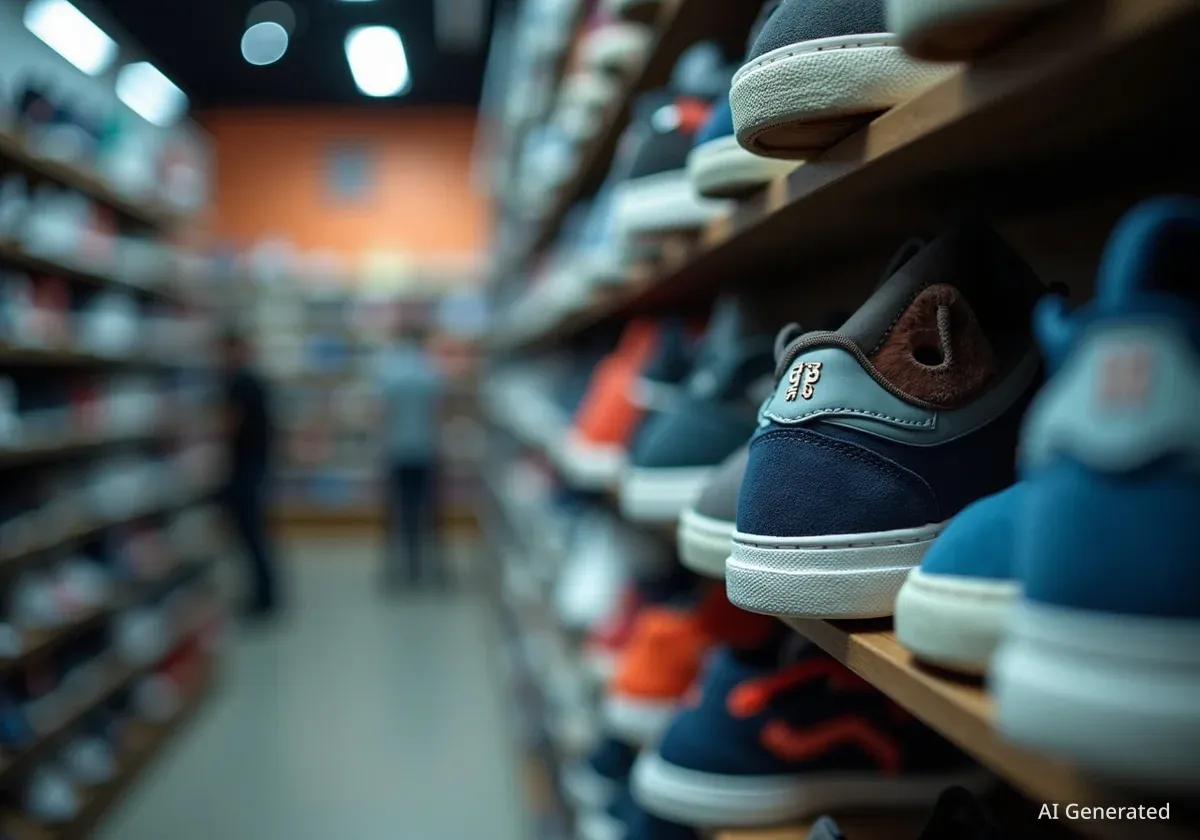
An era of unprecedented growth in the sneaker market may be coming to a close, according to new analysis from Bank of America researchers. The report suggests the industry has reached "peak sneaker," a saturation point that could signal a significant shift in consumer fashion and spending habits.
For years, limited-edition releases, celebrity collaborations, and a booming resale market fueled a cultural obsession with athletic footwear. Now, market indicators point toward a cooling-off period, potentially impacting major brands and the wider retail landscape.
Key Takeaways
- Bank of America researchers have concluded that the footwear market may have hit "peak sneaker."
- This suggests consumer demand and the explosive growth seen in recent years are beginning to level off.
- The trend could affect major apparel companies like Nike and Adidas, as well as the lucrative sneaker resale market.
- Analysts point to a potential shift in fashion trends away from athletic footwear and toward other styles.
A Market Reaching Its Saturation Point
The concept of "peak sneaker" describes a moment when the market becomes so saturated that the intense demand and rapid growth can no longer be sustained. After more than a decade of dominance, the ubiquitous nature of sneakers in everything from streetwear to formal wear may have reached its natural limit.
Financial analysts suggest this isn't a collapse, but rather a normalization of the market. The frenzy that saw consumers lining up for blocks and paying thousands on resale sites for rare models appears to be subsiding. This change is attributed to several factors, including economic pressures on discretionary spending and a simple shift in fashion cycles.
According to industry reports, the global sneaker market was valued at over $72 billion in 2022 and was projected to continue its steep climb. However, this new analysis suggests those projections may need to be revised as consumer preferences evolve.
The Rise and Plateau of a Cultural Phenomenon
The journey of the sneaker from athletic gear to a high-fashion staple has been a defining trend of the 21st century. Collaborations between brands like Nike and high-fashion houses or music icons transformed sneakers into collectible assets. This cultural shift gave rise to a massive secondary market, with platforms like StockX and GOAT creating a stock market-like environment for buying and selling rare footwear.
The Resale Boom
At its height, the sneaker resale market was estimated to be worth over $6 billion globally. Some limited-edition models, originally retailing for under $200, could fetch prices exceeding $10,000, driven entirely by scarcity and cultural demand.
This speculative bubble created a generation of resellers and collectors. However, as major brands increased production numbers for popular models, the exclusivity that fueled the hype began to diminish. When everyone can own a pair of once-coveted shoes, their value as a status symbol naturally declines.
Shifting Consumer Priorities
Economic factors are also playing a crucial role. With rising inflation and concerns about the economy, many consumers are re-evaluating their spending on non-essential, high-priced goods. A $300 pair of sneakers becomes a harder purchase to justify when household budgets are tight.
This financial pressure is coupled with a natural evolution in style. Fashion is cyclical, and after years of athletic and casual wear dominating trends, there is a growing movement toward more formal or alternative footwear like loafers, boots, and dress shoes.
"We're seeing a clear pivot in consumer taste," noted one retail analyst. "The focus is moving from collecting hype items to investing in versatile, long-lasting pieces. The sneaker isn't disappearing, but its role as the undisputed king of footwear is being challenged."
Impact on Brands and the Future of Footwear
For industry giants like Nike, Adidas, and Puma, this potential market peak presents a new challenge. These companies have built significant portions of their business models around constant new releases and generating hype. A slowdown in demand would require a strategic pivot.
This could lead to several changes:
- Focus on Innovation: Brands may shift from retro releases to pushing the boundaries of technology and comfort.
- Diversification: Expect to see more emphasis on other types of apparel and different shoe categories.
- Sustainability: A focus on durable, eco-friendly products may appeal to the changing priorities of consumers.
What Comes After Sneakers?
Fashion insiders are watching closely to see which footwear category will capture the public's imagination next. Early indicators point toward a resurgence of classic styles, including leather loafers, rugged work boots, and minimalist dress shoes, suggesting a broader trend toward more traditional and formal aesthetics.
The "peak sneaker" theory does not mean the end of sneakers. They will remain a fundamental part of modern wardrobes. However, the era of explosive, culture-defining growth appears to be transitioning into a more mature and stable phase. For consumers and brands alike, the next chapter in footwear fashion is just beginning to unfold.