
Flight attendants for American Airlines are wearing a small but significant addition to their uniforms: a red pin bearing the acronym "WAR." The accessory signals a growing dispute between the cabin crew and the airline's senior leadership, indicating their readiness to strike if negotiations fail.
Key Takeaways
- American Airlines flight attendants are wearing red union pins that say "WAR," which stands for "We Are Ready."
- The action is a protest directed at the airline's management over ongoing disputes regarding working conditions and corporate performance.
- This follows a unanimous vote of no confidence in CEO Robert Isom by the flight attendants' union in February.
- Despite the protest, no strike has been announced, and flights are operating as scheduled.
A Symbolic Message on the Lapel
The Association of Professional Flight Attendants (APFA), the union representing more than 28,000 American Airlines cabin crew members, recently directed its members to wear the pins. This move revives a tactic from a previous labor dispute that lasted for several years.
In an internal communication, the union emphasized the pin's significance. "It represents solidarity, professionalism, and a collective commitment to protecting our careers," the memo stated, urging members to display the pin as a sign of unity. The message aims to show management that flight attendants are organized and prepared to take action if their concerns are not addressed.
The acronym "WAR" explicitly stands for "We Are Ready," a clear message to the company that the union is prepared for a potential strike. The pins were last used extensively during a contentious contract negotiation that was ultimately settled in September 2024 without a work stoppage.
A History of Growing Frustration
The decision to reintroduce the protest pins is not based on a single issue but rather a series of cumulative grievances. Tensions have escalated over the past year, culminating in several high-profile disputes between the union and the airline's executive team.
Vote of No Confidence
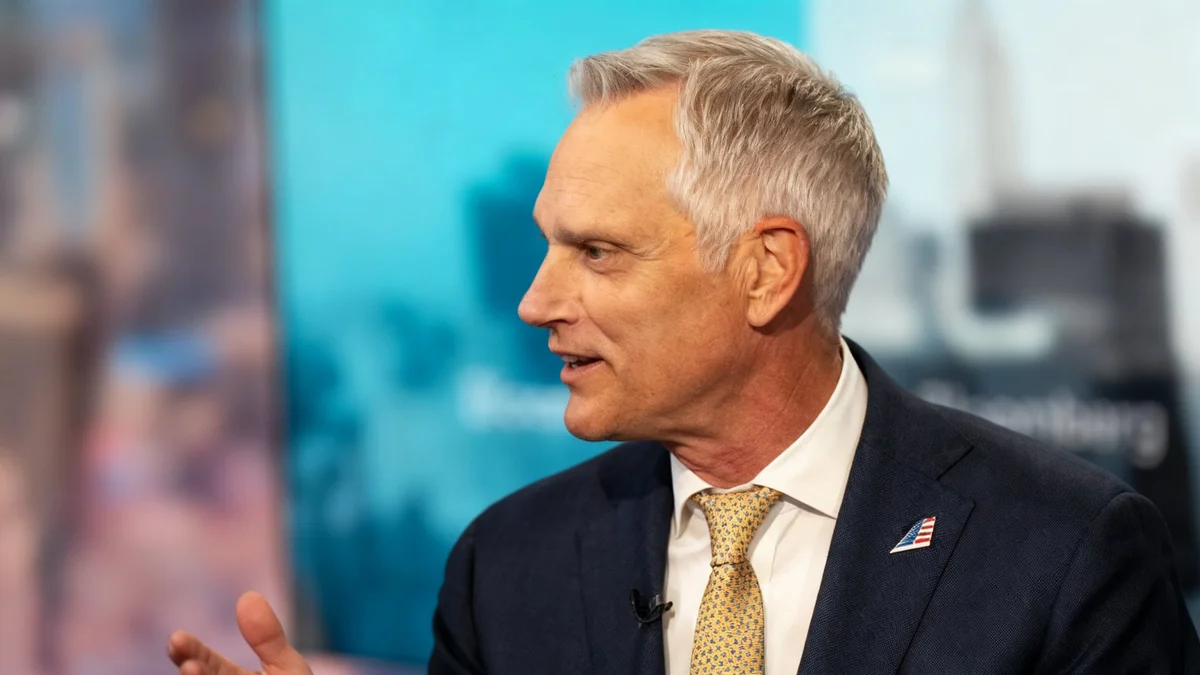
In February, the APFA board issued a unanimous vote of no confidence in CEO Robert Isom. The union cited the airline's financial performance, which included a reported 84% decrease in profits in 2025 compared to the previous year, as a primary reason for their lack of faith in the current leadership.
Following the vote, flight attendants held pickets outside the airline's headquarters in Fort Worth, Texas, calling for a change in corporate strategy. The union has expressed fears that management's decisions could put the airline on a dangerous path, falling behind its main competitors.
Operational and Financial Concerns
Operational failures have also fueled the discontent. During severe winter storms in January, the union claimed that poor planning by management left many crew members stranded without proper accommodation, with some allegedly forced to sleep on airport floors. The disruptions reportedly cost the airline approximately $200 million.
More recently, the APFA accused the company of attempting to cut costs by moving crews to lower-quality hotels. The union views this as another example of management prioritizing cost-saving measures at the expense of its employees.
"We have sacrificed before, and we will not be asked to do it again to cover for strategic missteps at the top," the union stated in a public memo. "It is time to course correct and move this airline in a fundamentally different direction."
Management's Response and the Path Forward
In response to the growing pressure, CEO Robert Isom has maintained his position. Following the no-confidence vote, he communicated to employees that he and the board are aligned in their desire to strengthen the airline.
In a video message, Isom acknowledged the challenges and called for unity. "To accomplish all this, it’ll take all of us working as one team," he said, adding, "I’m always open to meeting with our union partners." He expressed confidence in the airline's future and its plan to "reclaim American’s reputation as the world’s premium global airline."
Did You Know? The previous contract dispute, where the "WAR" pins were first used, took over five years to resolve. The final agreement in 2024 included significant improvements for flight attendants, such as boarding pay and a pay increase of up to 33%.
Currently, there is no official strike on the horizon, and American Airlines continues to operate its full schedule. However, the red pins serve as a constant, visible reminder to both management and passengers that the airline's cabin crew is unified and dissatisfied. The next steps will depend on how leadership addresses the union's long list of concerns.