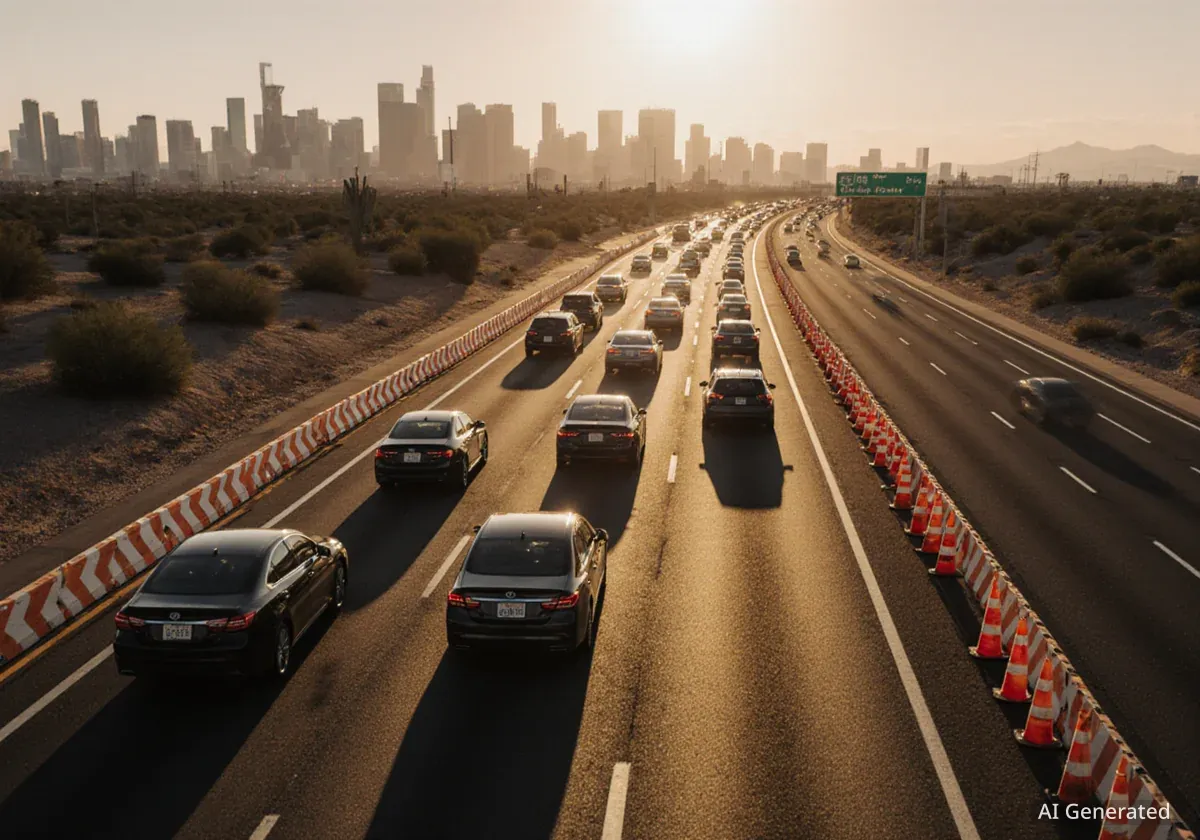
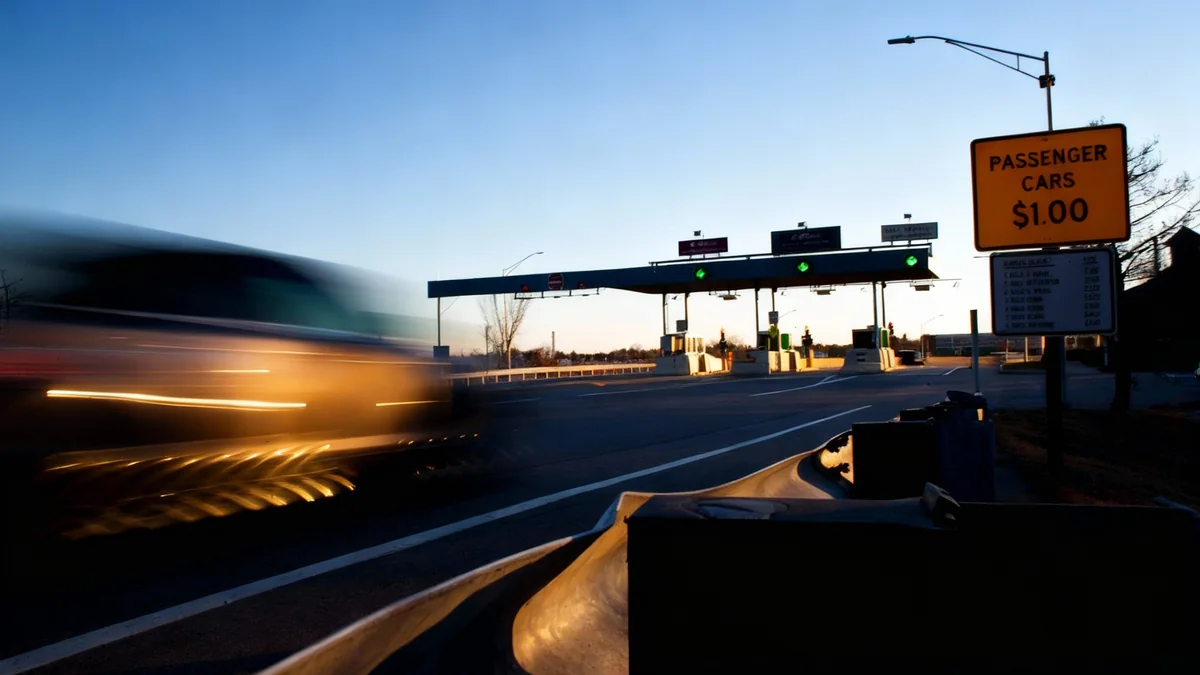
Almost 80% of drivers exceeded the speed limit in active work zones on the Maine Turnpike during July, according to new data from the Maine Turnpike Authority. This finding highlights a significant safety concern for construction crews working on the state's major highway.
Key Takeaways
- Nearly 80% of drivers sped in Maine Turnpike work zones in July.
- Over 42% drove at least 21 mph above the posted limit.
- 16 work zone fatalities occurred between 2020 and 2024.
- Maine Turnpike Authority seeks new enforcement tools like traffic cameras.
Concerning Speeding Trends Revealed
Data collected from 13 construction zones between July and October shows a troubling pattern. The Maine Turnpike Authority recorded approximately 565,000 vehicles during this period. Out of these, only about 128,000 vehicles were traveling at or below the designated speed limit.
More alarmingly, the authority found that over 42% of vehicles were driving at speeds at least 21 miles per hour higher than the posted limit in active work areas. This indicates a widespread disregard for reduced speed limits designed to protect workers.
Speeding Statistics
- 77.4% of drivers sped through work zones in July.
- 42% of drivers exceeded the limit by 21 mph or more.
- 565,000 vehicles tracked in surveys.
- 128,000 vehicles traveled at or below the speed limit.
Executive Director Calls for Action
Andre Briere, the executive director of the Maine Turnpike Authority, issued a statement regarding these findings. He emphasized the severe consequences of speeding in work zones.
"These findings make it clear that we need more effective tools to help prevent future tragedies," Briere stated. "Maine's workers deserve to go home safely at the end of every shift."
Briere pointed out a grim statistic: 16 people died in work zone crashes between 2020 and 2024. This figure underscores the urgency of addressing reckless driving behavior in these vulnerable areas.
Tracking Methods and Limitations
Roadside radar devices were used to track vehicle speeds. Rebecca Grover, a spokesperson for the authority, confirmed that these devices only recorded speed. They did not capture information about the type of vehicle.
This means researchers cannot determine if certain vehicle types are more prone to speeding. However, the sheer volume of speeding incidents across all tracked vehicles provides a clear picture of the overall problem.
Legislative Efforts for Enhanced Enforcement
Earlier this year, the Maine Turnpike Authority supported a bill aimed at allowing the state to pilot the use of traffic cameras. These cameras would identify and ticket speeders in highway work zones.
Maine currently has a ban on most automatic traffic enforcement systems, which was enacted in 2009. The proposed bill did not pass in the recent legislative session but is expected to be reconsidered in the new year.
Maine Turnpike Overview
The Maine Turnpike covers the first 109 miles of Interstate 95. It stretches from Kittery in the south to Augusta, the state capital. This vital artery connects major population centers and sees significant traffic volume daily.
Maintaining and improving this infrastructure requires ongoing construction work. Protecting the crews performing this essential work is a top priority for the authority.
The Need for Safer Work Environments
The consistent high rates of speeding in active construction zones pose a significant risk to workers. These individuals often operate close to live traffic, making them vulnerable to accidents caused by speeding drivers.
Implementing advanced enforcement technologies, such as traffic cameras, could serve as a powerful deterrent. Such measures aim to reduce speeds and improve safety for everyone on the road, especially those working to maintain it.
The debate around traffic cameras balances privacy concerns with public safety needs. However, the rising number of fatalities in work zones suggests that current measures may not be enough to ensure worker protection.
- Drivers must obey posted speed limits in work zones.
- Increased vigilance can prevent accidents.
- New technologies may help enforce safety rules.