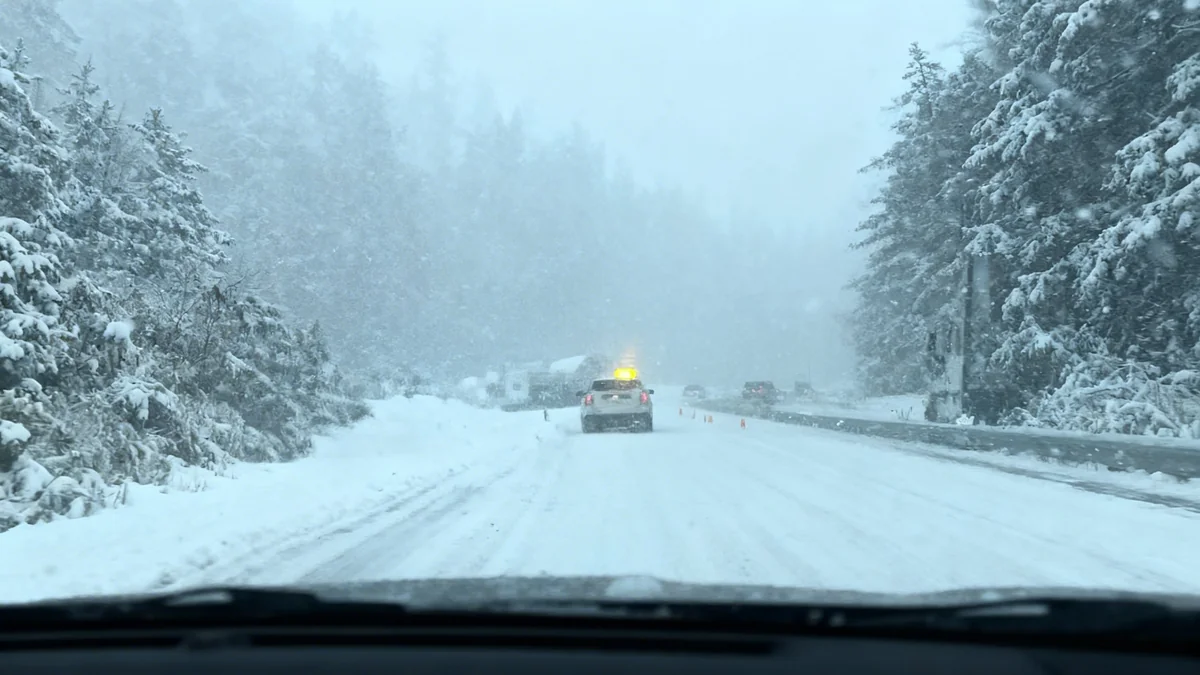
Interstate 90 has fully reopened after several crashes and vehicle spinouts caused extensive closures across Washington State. The Washington State Department of Transportation (WSDOT) confirmed the reopening Wednesday, following more than three hours of work by crews to clear vehicles and make the highway passable.
The incidents primarily affected both eastbound and westbound lanes, leading to significant travel disruptions and prompting warnings from state authorities about hazardous driving conditions.
Key Takeaways
- I-90 fully reopened after over three hours of closures.
- Multiple crashes and spinouts occurred on both eastbound and westbound lanes.
- Washington State Patrol attributed incidents to drivers going too fast for conditions.
- Authorities urged drivers to slow down, use lights, and maintain vehicles.
Extensive Closures Impacted Key Sections of I-90
The closures spanned critical sections of the interstate. Westbound I-90 was blocked at multiple points, including milepost 70 in Easton, milepost 85 in Cle Elum, and milepost 107 in Ellensburg. These closures created bottlenecks for travelers heading west.
Eastbound I-90 also faced significant disruption. It was closed at milepost 34 in North Bend, impacting traffic attempting to travel east through the mountain passes.
Incident Snapshot
- Westbound Closures: Milepost 70 (Easton), Milepost 85 (Cle Elum), Milepost 107 (Ellensburg)
- Eastbound Closure: Milepost 34 (North Bend)
- Duration: Over 3 hours of highway closure
Washington State Patrol (WSP) Trooper Rick Johnson explained the immediate challenge. He noted that many vehicles involved in the incidents were blocking snowplows, preventing them from clearing the road effectively. This made the cleanup process longer than usual.
"There are some trucks or some cars, so that needs to get cleared so the plows can continue to make the pass passable," Trooper Johnson stated.
Authorities Urge Drivers to Exercise Caution
Trooper Johnson issued a strong warning to drivers following the string of crashes. He emphasized that excessive speed for the prevailing conditions was a primary factor in many of the incidents.
“That’s what gets people in trouble, is when they’re just going too fast for the conditions,” Johnson cautioned. He highlighted that these issues were not limited to the mountain passes, with crashes also reported in lowland areas due to wet roads.
Driving in Winter Conditions
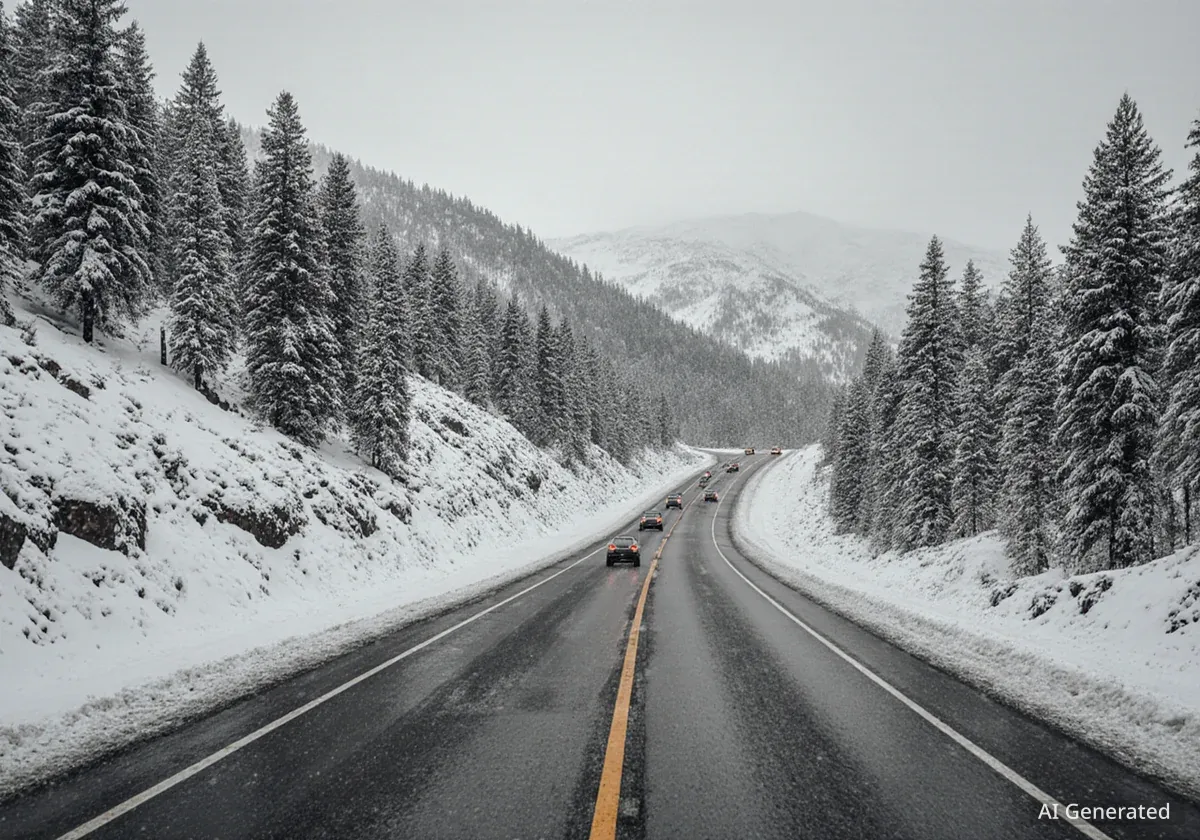
Winter weather, even in the lowlands, can create dangerous driving conditions. Black ice, wet roads, and snow can drastically reduce tire traction. Drivers must adjust their speed and driving habits to match these changing environments.
The WSP’s message is clear: drivers must prioritize safety over speed. This advice applies to all types of vehicles, from passenger cars to commercial trucks.
Key Safety Reminders for Travelers
Authorities provided several important reminders for anyone planning to drive, especially during adverse weather. These tips are crucial for preventing future incidents and ensuring safe travel for everyone on the road.
Drivers should always keep their vehicle lights on, even during daylight hours when visibility is reduced by rain or snow. Properly maintained vehicles are also essential, ensuring tires, brakes, and wipers are in good working order.
- Slow Down: Adjust speed to match road conditions, especially on wet or icy surfaces.
- Use Headlights: Turn on headlights during inclement weather to improve visibility for yourself and other drivers.
- Maintain Vehicle: Ensure tires, brakes, and windshield wipers are in good condition.
- Allow Extra Time: Expect travel to take longer than usual from point A to point B.
These simple steps can significantly reduce the risk of accidents. The WSDOT encourages travelers to stay informed about real-time road conditions by checking their official travel map.
Ongoing Efforts to Ensure Road Safety
The reopening of I-90 signifies the hard work of emergency crews and WSDOT personnel. However, the incidents serve as a stark reminder of the dangers posed by challenging weather and driver behavior.
Road safety remains a continuous effort. Public awareness campaigns and responsive emergency services play vital roles in keeping highways safe for commuters and travelers alike. Drivers are urged to remain vigilant and follow all safety guidelines to prevent similar disruptions in the future.