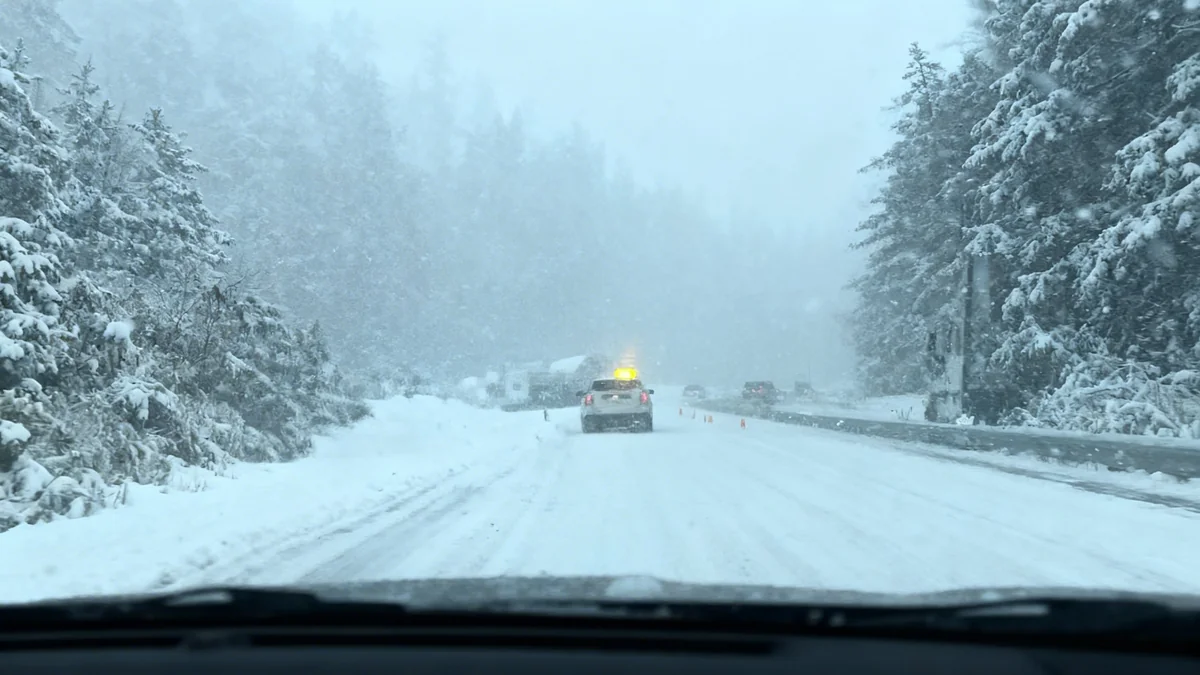
Interstate 80 has fully reopened in both directions across a major stretch of Johnson County, Iowa, following widespread closures caused by severe winter weather and numerous vehicle accidents. The Iowa Department of Transportation (DOT), working with the Iowa State Patrol, announced the reopening of eastbound and westbound lanes between Coral Ridge Avenue (Exit 240) and Plainview Road (Exit 284) early Saturday afternoon.
Despite the reopening, authorities urge drivers to remain cautious. Road conditions in the affected areas are variable, ranging from clear pavement to sections partially or completely covered in snow and ice. Freezing temperatures are expected to continue overnight and into Sunday morning, which could lead to further icing and slick conditions across the region.
Key Takeaways
- Interstate 80 in Johnson County, Iowa, has reopened in both directions.
- The closure spanned between Coral Ridge Avenue (Exit 240) and Plainview Road (Exit 284).
- Drivers should expect changing road conditions, including snow and ice.
- Freezing temperatures could cause more icing overnight.
- Officials recommend delaying travel if possible to aid cleanup efforts.
Impact of Severe Weather on Iowa Roads
The severe winter weather system brought heavy snowfall and freezing rain to much of Iowa, creating treacherous driving conditions. The closure of Interstate 80, a vital cross-country artery, significantly disrupted travel plans for many motorists.
Early reports indicated multiple crashes along the affected stretch, prompting the Iowa DOT and State Patrol to close the interstate for public safety. Emergency crews worked tirelessly through challenging conditions to clear accident scenes and assist stranded drivers.
Fact Check
- The closed section of I-80 covered approximately 44 miles.
- Winter weather events often lead to a 20% increase in traffic accidents nationwide.
- Iowa experiences an average of 30-40 inches of snowfall annually.
Ongoing Cleanup and Future Travel Advisories
Road crews are actively engaged in cleanup operations throughout Johnson County and surrounding areas. Their work involves plowing, salting, and sanding roads to improve traction. However, the sheer volume of snow and ice, combined with persistent cold, means progress will be slow.
Officials have issued a strong recommendation for travelers to delay any non-essential trips. This measure is crucial not only for driver safety but also to allow road crews to operate more safely and efficiently without the added congestion of civilian traffic.
"Our primary concern is the safety of all motorists and our road crews," stated a representative from the Iowa Department of Transportation. "We ask for patience and cooperation as we continue to work through these difficult conditions."
Understanding Variable Road Conditions
Drivers traversing the reopened sections of I-80 should be prepared for rapid changes in road surface. A stretch of clear pavement can quickly transition to a patch of black ice or an accumulation of fresh snow. Visibility may also be reduced in some areas due to blowing snow.
The Iowa DOT continuously monitors road conditions and updates its 511 system with real-time information. Motorists are encouraged to check these resources before departing and during their journey. Safe driving practices are paramount, including reducing speed, increasing following distance, and avoiding sudden braking or steering.
Winter Weather Preparedness
For those who must travel in winter conditions, it is important to have an emergency kit in your vehicle. This kit should include blankets, extra warm clothing, a flashlight, non-perishable food, water, a first-aid kit, and a fully charged cell phone. Keeping your fuel tank at least half full can also prevent fuel lines from freezing and ensure you have enough heat if stranded.
Broader Regional Impact
While Interstate 80 is a major focus, other local roads in Johnson County and neighboring counties also remain heavily affected. Many secondary roads are still snow-covered or partially covered, posing risks for drivers.
The combination of freezing temperatures and existing moisture creates ideal conditions for black ice formation, which is particularly dangerous because it is often invisible. This risk persists into the overnight hours and early morning, making commutes especially hazardous.
Community Response and Resilience
Local communities have shown resilience in the face of the storm. Emergency services, including law enforcement and medical personnel, have been on high alert, responding to calls and assisting residents. Community members are also encouraged to check on elderly neighbors and those who may be vulnerable during extreme cold.
The prolonged cold snap means that even after roads are cleared, the risk of refreezing and new ice formation remains. Drivers should anticipate these challenges and adjust their travel plans accordingly. The ongoing efforts of road crews are vital to restoring normal transportation patterns and ensuring public safety.
Safety Recommendations for Travelers
- Reduce Speed: Drive well below the posted speed limit to maintain control.
- Increase Following Distance: Allow more space between your vehicle and the one in front of you.
- Avoid Sudden Movements: Brake and steer gently to prevent skids.
- Stay Informed: Check Iowa DOT 511 for current road conditions before and during travel.
- Prepare Your Vehicle: Ensure tires are properly inflated, fluid levels are adequate, and headlights/taillights are clear.
- Emergency Kit: Carry essential supplies like blankets, food, water, and a charged phone.