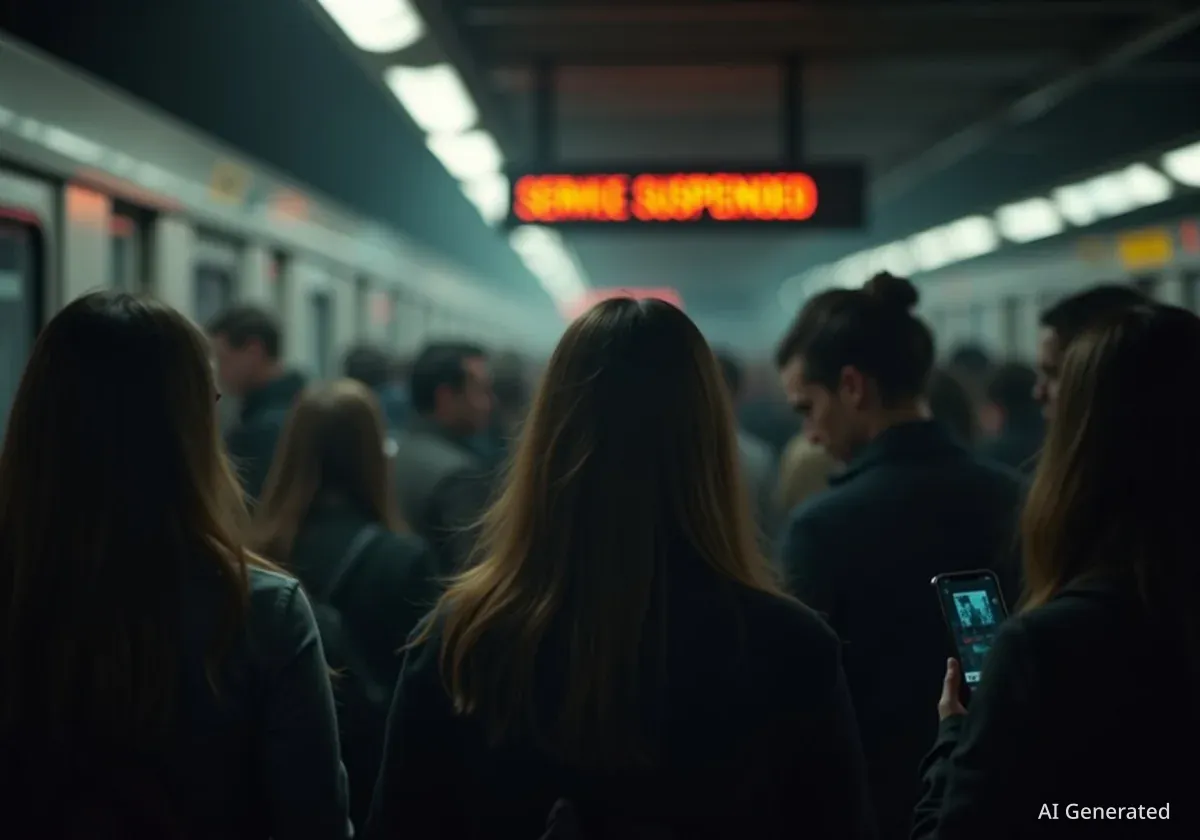
A track fire in an underground tunnel between Manhattan and Queens caused significant disruptions to New York City subway service on Tuesday morning. The Metropolitan Transportation Authority (MTA) reported that N, W, and R lines were suspended in both directions for several hours, affecting thousands of commuters.
Key Takeaways
- A track fire occurred in an NYC subway tunnel on September 30, 2025.
- N, W, and R train service was suspended between Manhattan and Queens.
- No injuries were reported during the incident.
- Service resumed by late morning, but severe delays persisted on N and W lines.
- Commuters faced major travel changes and warnings from authorities.
Emergency Response and Service Suspension
The fire began on the tracks within a tunnel connecting Manhattan and Queens. Emergency services quickly responded to the incident. Firefighters worked to extinguish the blaze and ensure the safety of the area.
The MTA acted swiftly to suspend service on the affected lines. This decision aimed to protect passengers and allow emergency personnel to operate without interference. The N, W, and R trains are critical routes for many New Yorkers traveling between the two boroughs.
Incident Details
- Date: September 30, 2025
- Location: Subway tunnel between Manhattan and Queens
- Affected Lines: N, W, R
- Cause: Track fire
- Injuries: None reported
Impact on Commuters and Initial Delays
Commuters experienced considerable delays and changes to their morning routines. Many sought alternative transportation methods, leading to increased pressure on other subway lines and bus services. The MTA issued alerts through various channels, including social media and public announcements, to inform riders about the service changes.
Authorities emphasized the importance of checking travel updates before starting a commute. This guidance helped some passengers plan alternative routes, though significant inconvenience was unavoidable for many. The incident highlighted the vulnerability of urban transit systems to unexpected events.
"Our priority was the safety of our riders and personnel," an MTA spokesperson stated. "We appreciate the public's patience as our teams and emergency responders worked to resolve the situation."
NYC Subway System Overview
The New York City subway system is one of the oldest and largest public transportation networks in the world. It operates 24 hours a day, seven days a week, serving millions of riders annually. The system includes 472 stations and 28 lines, covering hundreds of miles of track. Incidents like track fires, while uncommon, can have widespread effects due to the system's interconnected nature.
Resumption of Service and Lingering Issues
By late morning on Tuesday, subway service on the N, W, and R lines resumed. However, the return to normal operations was gradual. Passengers continued to face severe delays, particularly on the N and W lines.
The MTA advised that residual delays could persist throughout the day as the system worked to normalize train schedules and clear passenger backlogs. Even after the fire was extinguished, inspecting the tracks and equipment for damage was necessary before full service could be restored.
This incident underscores the challenges of maintaining an aging infrastructure. The NYC subway system requires continuous investment to ensure reliability and safety for its vast user base. Events such as this fire often prompt discussions about infrastructure upgrades and emergency preparedness within transit authorities.
Future Considerations for Transit Resilience
The recent track fire highlights the need for robust emergency protocols and resilient infrastructure in major metropolitan transit systems. While no injuries were reported, the incident caused significant disruption. Such events prompt transit agencies to review and refine their response strategies.
Ongoing maintenance and modernization projects are crucial for preventing similar occurrences. These efforts include upgrading electrical systems, improving ventilation in tunnels, and enhancing fire suppression capabilities. Investing in these areas can minimize future service interruptions and enhance overall safety for millions of daily commuters.
Public awareness campaigns also play a role. Informing riders about potential hazards and emergency procedures can help ensure quick and orderly responses during unforeseen events. The collective effort of transit authorities, emergency services, and the public contributes to a safer and more reliable transportation network.