Bay Area Rapid Transit (BART) officials are exploring drastic measures, including station closures and reduced train service, to address a projected annual deficit of nearly $400 million. These proposals were presented during a recent board meeting as the agency grapples with declining ridership since the COVID-19 pandemic and the rise of remote work.
The potential cuts would significantly alter public transportation across the Bay Area. A board vote on these proposals is anticipated as early as February 26.
Key Takeaways
- BART faces a nearly $400 million annual deficit.
- Proposals include closing stations and reducing train frequency.
- Ridership has declined significantly since the COVID-19 pandemic.
- A regional ballot measure, Connect Bay Area, could provide funding.
- Service cuts could set BART's progress back by 50 years.
Potential Phased Service Reductions
The proposals outline a two-phase approach to service reductions. The first phase, scheduled for January 2027, would involve closing the ten stations with the lowest ridership. This initial step aims to consolidate resources and streamline operations.
Should the funding situation not improve, a more extensive second phase is planned for July 2027. This phase could see the closure of up to 15 stations, coupled with a significant 50% fare increase across the system. These measures highlight the severe financial strain on the transit agency.
"These are all projections," said Victor Flores, BART Board of Director for District 7. "It all depends on whether we can find an additional source of sustainable revenue. We just want to make sure that we're fully prepared if that doesn't happen."
BART's Financial Challenge
- Annual Deficit: Nearly $400 million
- Ridership Impact: Decreased since COVID-19 pandemic
- Remote Work Trend: Contributes to lower daily commuter numbers
The Impact of Ridership Decline
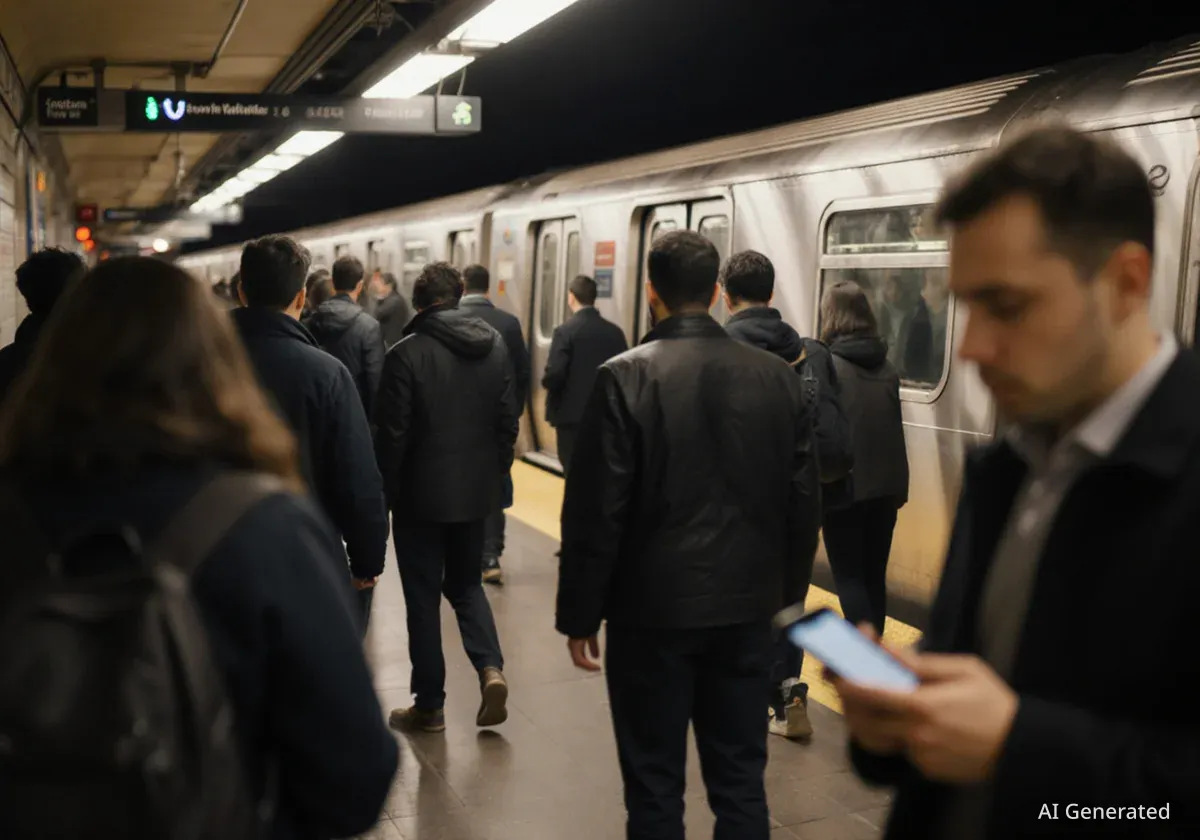
BART's financial woes are largely attributed to a sustained drop in ridership. Before the pandemic, BART served hundreds of thousands of commuters daily. The shift to remote and hybrid work models has dramatically reduced the number of people traveling to offices, especially during peak hours. This decline has directly impacted fare revenue, which forms a significant portion of BART's operating budget.
Transit agencies across the nation have faced similar challenges. The shift in commuting patterns represents a long-term change in urban mobility. BART, like many others, must adapt to this new reality while maintaining essential services.
Long-Term Consequences of Cuts
Implementing such drastic service cuts would have profound implications for the Bay Area. Experts warn that reducing service and closing stations would effectively reverse 50 years of progress in regional transit development. This could lead to increased traffic congestion, longer commute times, and reduced access to jobs and services for many residents.
"I think what's important to remember is that these are not hyperbolic scenarios," said Laura Tolkoff, Transportation Policy Director with SPUR, a coalition working to place a regional transit measure on the ballot in November. "They are very real if BART cannot safely operate the system."
Understanding the Deficit
The operating deficit refers to the gap between BART's revenues (primarily fares) and its operating expenses (staff salaries, maintenance, electricity, etc.). With fewer riders, farebox revenue has plummeted, creating a substantial shortfall that current subsidies and reserves cannot fully cover long-term.
The Connect Bay Area Ballot Measure
A potential solution to the funding crisis lies with the proposed Connect Bay Area ballot measure. This initiative seeks to introduce a regional sales tax to provide sustainable funding for various transit agencies, including BART, Muni, Caltrain, and AC Transit.
- Alameda, Contra Costa, San Mateo, and Santa Clara Counties: Proposed half-cent sales tax.
- San Francisco County: Proposed one-cent sales tax.
If approved, this measure could offer a critical lifeline, preventing the need for the severe service reductions currently under consideration. The success of this ballot measure is crucial for the future of public transportation in the Bay Area.
The Path Forward for BART
BART officials are actively seeking additional sources of sustainable revenue. The discussion of service cuts serves as a contingency plan, emphasizing the urgency of the financial situation. The upcoming board vote on February 26 will be a pivotal moment, determining the immediate direction BART will take.
The agency has also explored partnerships, such as discounted rides with Uber to and from some stations, to encourage ridership and improve first-and-last-mile connectivity. However, these initiatives alone may not be enough to overcome the substantial deficit.
The debate surrounding BART's funding highlights a broader challenge facing public transit systems nationwide: adapting to changing commuter habits while ensuring reliable and accessible service. The decisions made in the coming weeks will shape the landscape of Bay Area transportation for decades to come.