Commuters across the Boston area faced significant disruptions Thursday morning as the Massachusetts Bay Transportation Authority (MBTA) canceled numerous Commuter Rail trains. The agency cited an "equipment shortage" as the primary reason for the service interruptions, which affected at least six different lines during the peak morning travel period.
The cancellations created a ripple effect of delays and frustration for thousands of passengers. This latest service issue adds to a challenging travel day that also included delays on subway lines and multiple vehicle crashes on major highways, complicating the daily journey for residents in and around the city.
Key Takeaways
- Multiple MBTA Commuter Rail trains were canceled on Thursday morning due to an "equipment shortage."
- Affected lines include the Fairmont, Framingham/Worcester, Franklin/Foxboro, Providence/Stoughton, Haverhill, and Greenbush lines.
- Significant delays were also reported on other lines, with the Fitchburg line experiencing delays of up to 90 minutes.
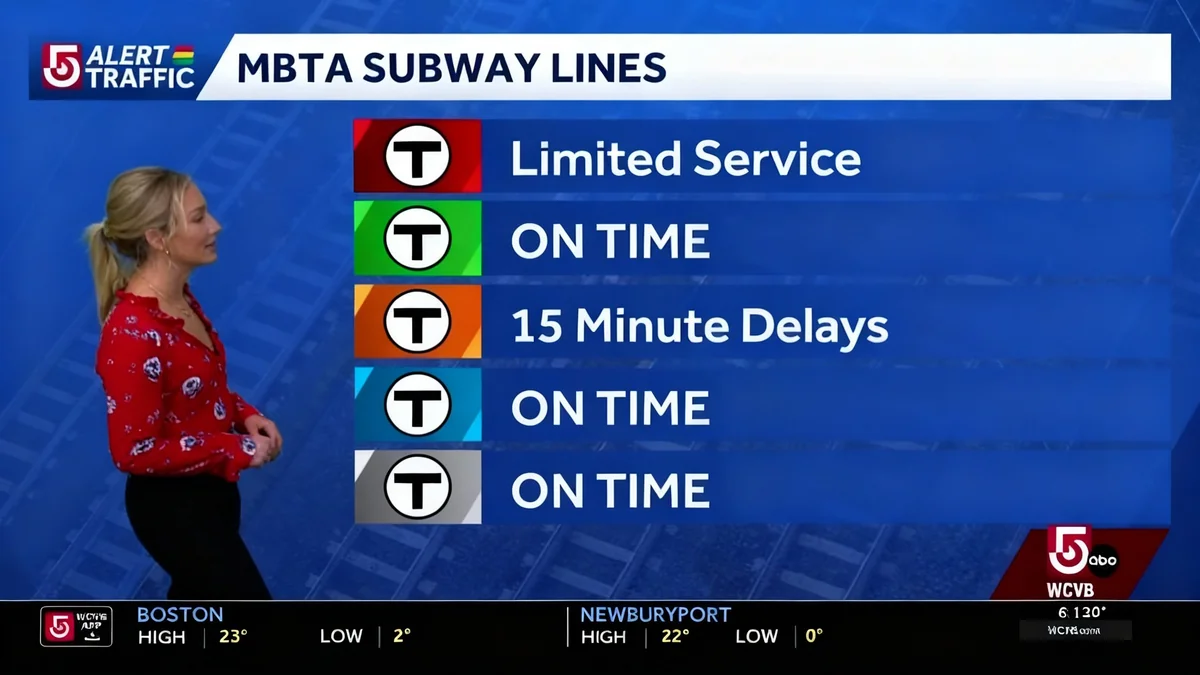
- The rail issues coincided with signal problems on the Orange Line, limited service on the Red Line, and several major highway accidents.
Widespread Disruptions Across the Network
The service disruptions began early Thursday, with some of the first trains of the day being pulled from the schedule. The MBTA confirmed cancellations on several key routes that serve as vital arteries for commuters traveling into Boston.
The lines impacted by outright cancellations were:
- Fairmont Line
- Framingham/Worcester Line
- Franklin/Foxboro Line
- Providence/Stoughton Line
- Haverhill Line
- Greenbush Line
Beyond the cancellations, passengers on other lines experienced substantial delays. Commuters on the Fitchburg line faced the most severe wait times, with delays reported to be as long as 90 minutes. Other lines, including the Fall River, New Bedford, and Haverhill/Reading routes, saw delays ranging from 15 to 20 minutes.
The Meaning of an "Equipment Shortage"
While the MBTA officially stated "equipment shortages" as the cause, this term can encompass a range of underlying issues. It typically means there are not enough serviceable locomotives or passenger coaches available to run the scheduled service.
What Causes Equipment Shortages?
Rail equipment shortages can stem from several factors. These often include a backlog of routine maintenance, unexpected mechanical failures requiring extensive repairs, or weather-related damage that takes trains out of service. In cold weather, systems like brakes, doors, and engines are more susceptible to failure, which can quickly reduce the number of available train sets.
The cold temperatures in the Boston area, with morning readings around 17°F, likely played a contributing role. Extreme cold can stress mechanical and electrical systems on older rail vehicles, leading to a higher-than-usual number of breakdowns and sidelining equipment that would otherwise be in operation.
A System Under Pressure
The Commuter Rail issues were part of a larger pattern of transportation challenges across the region on Thursday. The MBTA's subway system, often referred to as the 'T', also experienced significant problems that compounded the morning's travel difficulties.
A Multi-Modal Breakdown
On the same morning as the rail cancellations, the MBTA also reported:
- Orange Line: 15-minute delays due to a signal problem.
- Red Line: Limited service and expected delays.
- Route 3: Multiple crashes, including an overturned vehicle, blocked several lanes during the morning commute.
This convergence of problems across different modes of transportation highlights the fragility of the region's infrastructure. When the Commuter Rail falters, thousands of passengers look to the subway or highways as alternatives. When those systems are also experiencing their own delays, it leaves commuters with few reliable options.
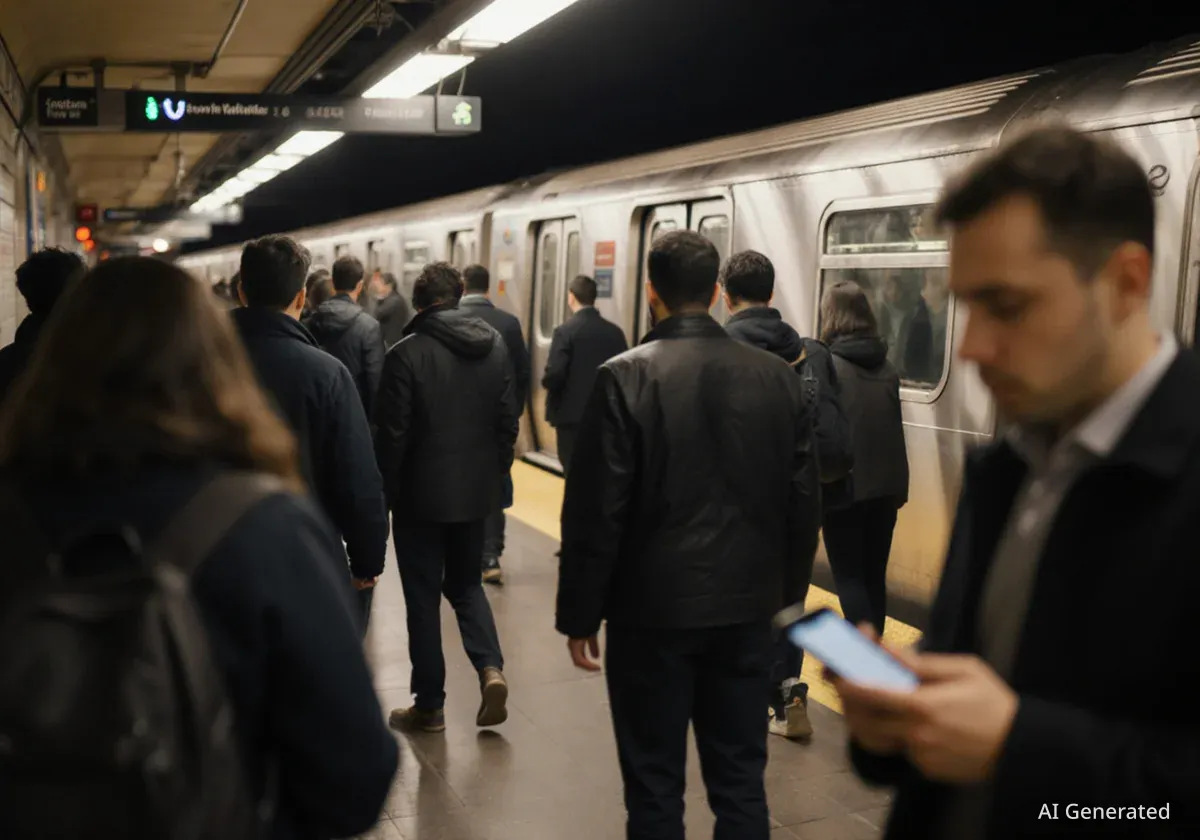
For many passengers, a canceled train means waiting for the next scheduled service, which can often be an hour or more later. This leads to overcrowded platforms and trains, making for an uncomfortable and stressful journey. The lack of timely information often adds to the frustration, leaving people unsure of when or if their train will arrive.
The Commuter Experience
The impact of these service disruptions is felt most acutely by the daily commuters who rely on the system to get to work, school, and appointments. A single canceled train can mean a missed meeting, a late start to the workday, or difficulty arranging childcare.
Passengers on the Framingham/Worcester line, one of the busiest in the system, were among those left stranded. This line serves a series of populous suburbs, and the cancellation of even one peak train can displace hundreds of people.
"When your 6 a.m. train is canceled, your entire day is thrown off schedule," one regular commuter might say. "You're either an hour late for work or you have to find another way in, and on a day like today, every other option was also a mess."
The recurring nature of these service issues has become a major point of concern for residents and officials. Reliability is the cornerstone of effective public transportation, and repeated failures erode public trust and push more people back into their cars, further congesting the region's already crowded roadways.
As the MBTA works to address its equipment and infrastructure challenges, thousands of Boston-area travelers are left hoping for a smoother ride tomorrow.