The Sound Transit Link light rail will begin service across Lake Washington via the Interstate 90 bridge on March 28. This marks the opening of the Crosslake Connection, completing the 2 Line and integrating the regional light rail system. Trains will now run from Redmond to Lynnwood, connecting with the 1 Line at International District/Chinatown Station.
This expansion includes new stations at Mercer Island and Judkins Park. It represents a significant milestone for the East Link project, which voters approved years ago. With the Crosslake Connection, Sound Transit's light rail network expands from 55 to 63 miles. This fulfills a voter-approved system expansion from 2008.
Key Takeaways
- Light rail service across Lake Washington begins March 28.
- The Crosslake Connection completes the 2 Line, linking Redmond to Lynnwood.
- This project marks the world's first light rail system on a floating bridge.
- The expansion adds 8 miles to the network, totaling 63 miles.
Connecting Eastside and Seattle by Rail
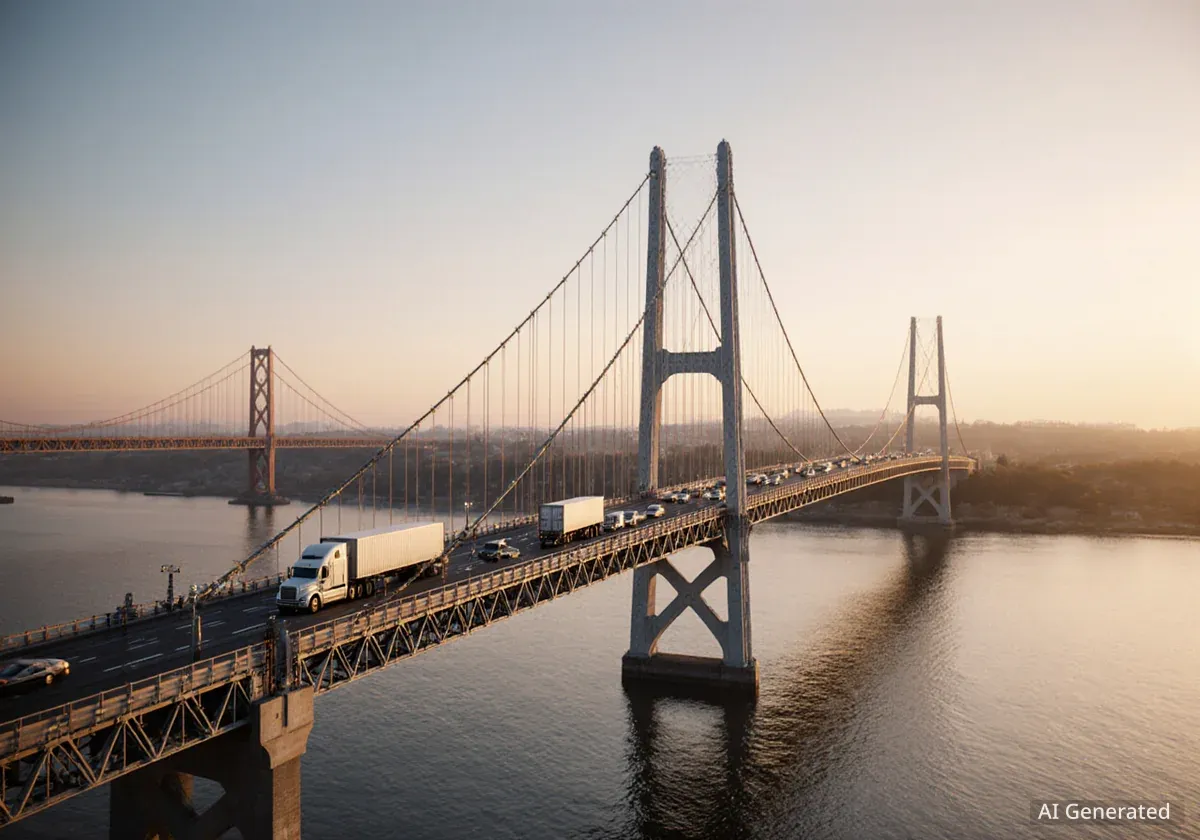
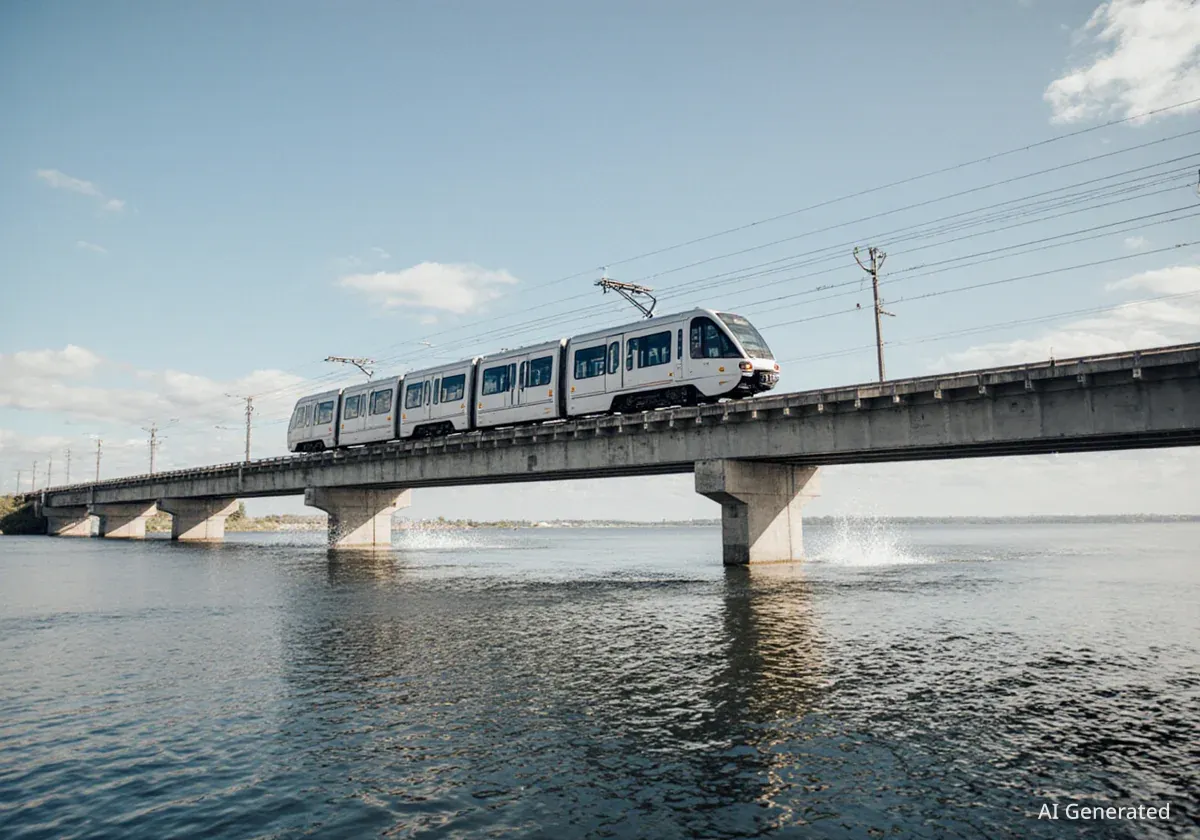
The Crosslake Connection is notable for its innovative engineering. It is the world's first light rail system designed to operate on a floating bridge. This design allows trains to travel directly across Lake Washington, linking the Eastside with Seattle.
Sound Transit leaders have emphasized the importance of this technological achievement. It was crucial for finally connecting the two sides of the lake with high-capacity transit. This link is expected to significantly improve mobility for commuters and travelers across the region.
Fast Fact
The Crosslake Connection introduces the world's first light rail system to run on a floating bridge.
Service Schedule and Frequency
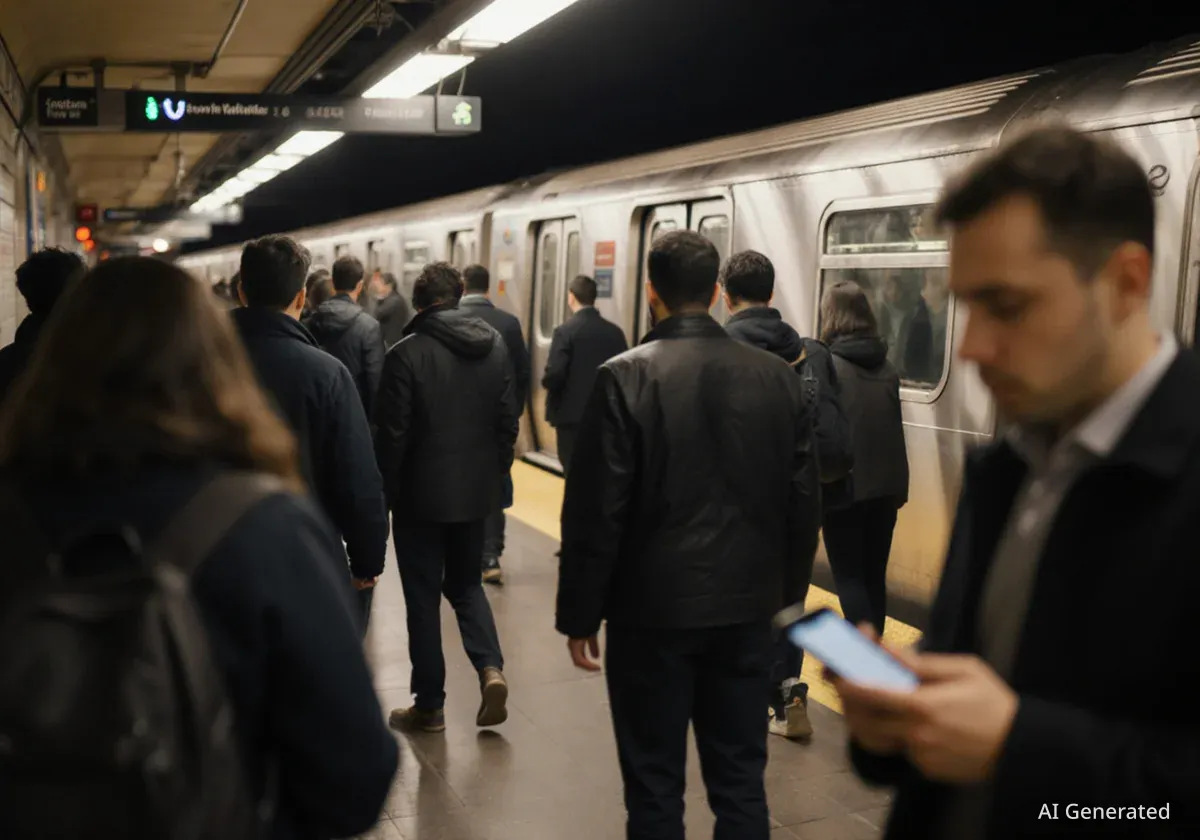
Service on both the 1 Line and 2 Line will operate from approximately 5 a.m. to 1 a.m. Monday through Saturday. On Sundays, trains will run from 6 a.m. to midnight. This schedule provides extensive coverage for daily commuters and weekend travelers.
During peak hours, trains will arrive at the new stations roughly every eight minutes. For much of the rest of the day, service will be available every 10 to 15 minutes. In the busiest section, between Lynnwood and International District/Chinatown, combined service from both lines will mean trains arrive about every four minutes.
"This extension connects east and west, connects the 1 and 2 Lines, vastly improving mobility and quality of life in our region," said Sound Transit CEO Dow Constantine. "It’s a transformational achievement that took grit, persistence and ingenuity, and it fulfills a generational promise of uniting both sides of Lake Washington with high-capacity transit."
Years of Development and Challenges
The announcement of the March 28 opening follows years of delays and increased costs. The Cross-Lake portion of the East Link project faced several missed deadlines. It is now more than five years behind its original schedule.
The project also exceeded its initial budget by tens of millions of dollars. These cost overruns have led to renewed discussions about how Sound Transit should fund future expansions. Despite these challenges, agency leaders view the opening as a major step forward in system growth.
Background
The East Link project, including the Crosslake Connection, was approved by voters in 2008. It aimed to expand light rail service to Seattle's Eastside, connecting key communities and reducing traffic congestion.
Continued System Expansion
The completion of the 2 Line is part of a rapid period of expansion for Sound Transit. The agency has opened six light rail expansions in the past five years alone. Another new station, Pinehurst, is expected to open later this year.
This ongoing growth demonstrates Sound Transit's commitment to building a comprehensive regional transit network. The expanded system aims to provide more efficient and sustainable transportation options for residents across the Puget Sound area. Further details regarding opening day celebrations and specific service information will be released closer to March 28.
Impact on Regional Mobility
The new light rail connection is expected to significantly reduce travel times between the Eastside and Seattle. It offers a reliable alternative to driving, especially during peak traffic hours on I-90. This can ease congestion and contribute to a more interconnected urban environment.
- Reduced commute times for thousands of residents.
- Environmental benefits from fewer cars on the road.
- Improved access to jobs, education, and entertainment across the region.
- Boost to local economies in areas served by new stations.
The project represents a long-term investment in the region's infrastructure. It is designed to support future population growth and economic development. The integration of the 1 and 2 lines creates a more seamless travel experience for passengers.
Engineering Marvel on a Floating Bridge
Building a light rail system on a floating bridge presented unique engineering challenges. The design had to account for the bridge's movement and the weight of the trains. Engineers developed specialized track systems and structural reinforcements to ensure safety and stability.
This innovative approach sets a new standard for urban transit projects worldwide. It demonstrates how complex geographical features can be overcome with advanced engineering solutions. The successful implementation of this technology is a testament to the dedication of the project teams.
The March 28 opening is not just about a new transit line. It symbolizes a new era of regional connectivity and sustainable transportation for the Seattle metropolitan area. Residents and visitors alike can look forward to a more integrated and efficient way to travel.