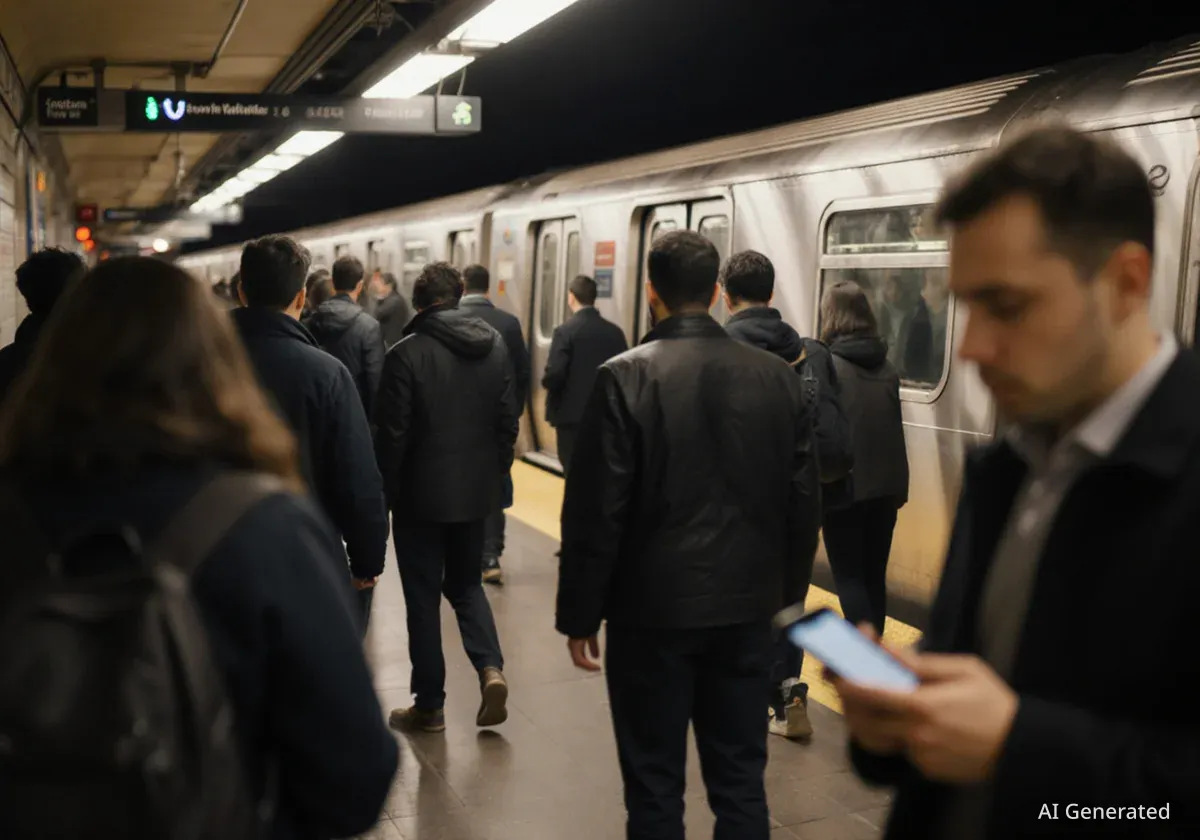
New York City commuters will see a fare increase starting Sunday, with subway and bus rides rising to $3 from the previous $2.90. This marks the first fare adjustment in over two years for the Metropolitan Transportation Authority (MTA) services.
Key Takeaways
- Subway and bus fares increase to $3 from $2.90.
- Long Island Rail Road and Metro-North fares rise up to 8%.
- Tolls on MTA bridges and tunnels increase by approximately 7.5%.
- The MTA expects to generate an additional $350 million annually.
- Fair Fares program faces criticism for its application process and income limits.
MTA Implements Modest Fare Hike
The 10-cent increase represents a rise of less than 4 percent. This percentage is considered modest when compared to other public transit systems across the United States, which are imposing double-digit percentage increases. The MTA board approved these changes in September.
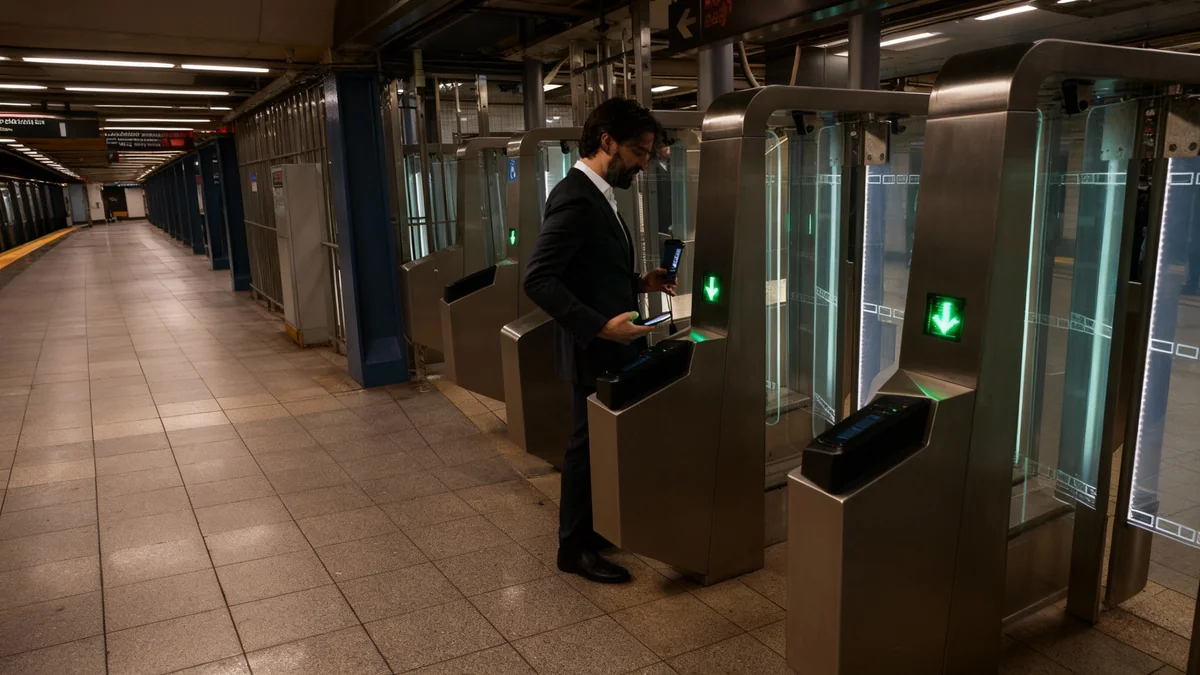
Transit officials delayed the implementation of the higher fares until the new year. One reason for this delay was to coincide with the phasing out of the MetroCard. The MetroCard officially retired at the end of December, with the OMNY payment system becoming the primary method for riders.
Quick Facts
- New Subway/Bus Fare: $3.00
- Previous Subway/Bus Fare: $2.90
- Percentage Increase: Less than 4%
- Annual Revenue Boost: $350 million
Commuter Rail and Toll Increases
The fare adjustments extend beyond just subways and buses. Weekly and monthly tickets for the Long Island Rail Road (LIRR) and Metro-North Railroad will also see price increases. These fares, which depend on the distance traveled, will climb by up to 4.5 percent.
One-way fares on these commuter railroads will experience a larger increase, rising by up to 8 percent. However, there is a new benefit for families: accompanied minors aged 17 and under can now ride these commuter railroads for $1. Previously, this age limit was set at 11 years old.
Access-A-Ride, the paratransit service, will also align its fare with the new subway and bus rate, costing $3 per trip starting this year.
Bridge and Tunnel Tolls Also Affected
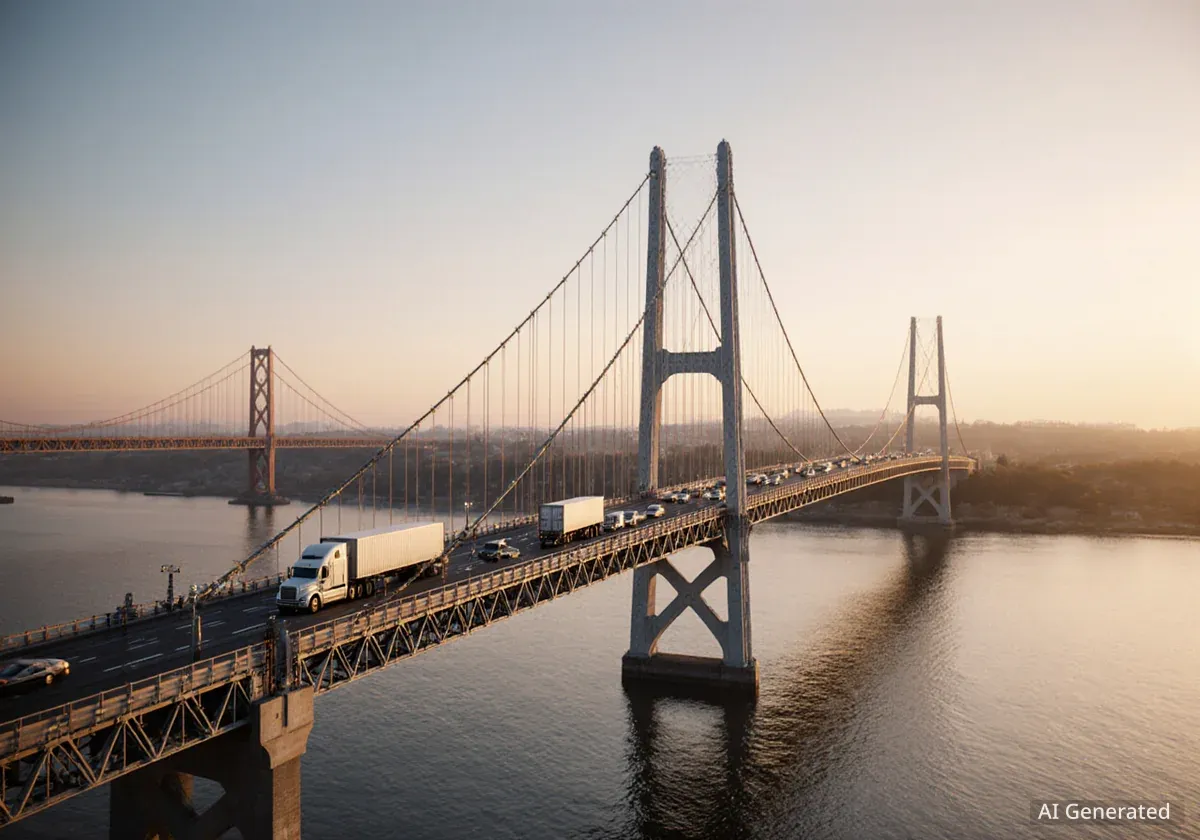
Tolls at MTA-controlled bridges and tunnels are increasing by about 7.5 percent. For example, most vehicles using the Queens-Midtown Tunnel will now pay $7.46, up from $6.94.
MTA Budget Overview
The Metropolitan Transportation Authority operates with an annual budget of approximately $21 billion. This budget primarily covers worker salaries, benefits, utility costs, and borrowing expenses. Fares contribute more than a quarter of the authority's operating budget.
Impact on Commuters and Affordability Concerns
The MTA anticipates these fare and toll increases will generate an additional $350 million in revenue each year. This revenue helps support the authority's extensive operations.
Janno Lieber, the MTA's chief executive, acknowledged Governor Kathy Hochul's financial support. He stated this support helped keep the fare increase relatively small. Historically, the MTA has raised fares by up to 4 percent every two years, with the exception of 2021 due to the COVID-19 pandemic.
"The latest fare increase will nevertheless make travel less affordable for a large share of commuters," according to a 2024 report by the Community Service Society.
The Community Service Society, an anti-poverty group, reported that one in five New Yorkers struggle to afford public transit. This highlights ongoing challenges for many residents.
Fair Fares Program and Future Proposals
New York City offers the Fair Fares program, which provides half-price trips to eligible low-income New Yorkers. However, transit advocates have criticized the program. They argue its application process is burdensome and its income requirements are too restrictive.
For instance, a family of four must earn around $48,000 or less to qualify for the discount. This figure is significantly below the city's median household income, limiting access for many who need assistance.
Debate Over Free Bus Fares
The fare increase comes as Mayor Zohran Mamdani is exploring proposals to fully subsidize bus fares for all riders. Mamdani campaigned on a promise to make the city's buses "fast and free."
Any plan for free bus fares would require cooperation with Governor Hochul, who oversees the transit system. Such a proposal would likely necessitate tax increases to fund the subsidies. This discussion occurs while the MTA focuses on reducing fare evasion and increasing fare revenue.
Ridership Recovery
Subway ridership in 2025 reached approximately 85 percent of its pre-pandemic levels. The MTA projects annual bus fare revenue, including paratransit, could exceed $1 billion by 2028. Finding alternative funding for this amount from the state budget could prove challenging.
The city continues to navigate the complexities of funding its vast transit network while striving to balance operational needs with commuter affordability.