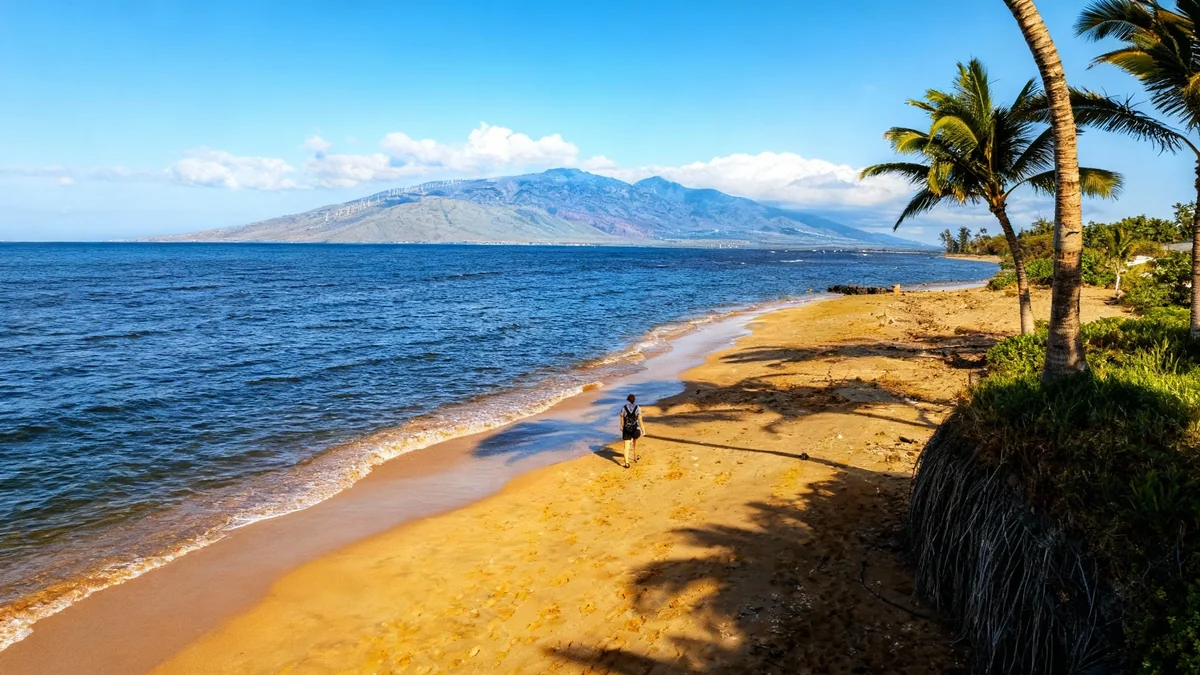
Hawaii faces a growing public safety concern as ocean drowning incidents involving visitors continue to rise. New data from the state's Water Safety Plan reveals that nearly 69% of all ocean drowning victims in Hawaii are tourists. Maui County, a popular destination, now experiences a drowning rate more than double that of Oahu, raising urgent questions about safety measures and infrastructure.
Key Takeaways
- Visitors account for 69% of Hawaii's ocean drownings.
- Maui's drowning rate is twice that of Oahu.
- Snorkeling is the leading activity for visitor drownings.
- Funding for ocean safety varies significantly across counties.
- Many popular resort beaches lack lifeguard coverage.
Hawaii's Drowning Crisis: A Closer Look at the Numbers
The Hawaii Water Safety Plan 2025 highlights a critical issue that has been overlooked. Drowning is the leading cause of injury-related death for visitors to the Hawaiian Islands. This trend occurs as tourism levels return to pre-pandemic numbers, putting more people at risk.
From 2020 through 2024, Hawaii saw 362 ocean drownings. Oahu recorded 183 fatalities, Hawaii Island had 42, and Kauai reported 40. Maui, despite its smaller population, experienced 97 drownings during this period.
Important Statistic
Maui's ocean drowning rate, when adjusted for population, is more than double Oahu's rate. This disparity points to significant differences in safety resources.
Kalani Vierra, president of the Hawaii Lifeguard Association and a contributor to the Water Safety Plan, described the situation as a public health crisis. He emphasized the disconnect between aggressive tourism marketing and underfunded safety systems.
"We’re marketing these beaches aggressively while underfunding the systems that keep people alive," Vierra stated.
Maui's Underfunded Ocean Safety
Maui County manages only 12 lifeguard towers along its 120 miles of coastline. This limited coverage stands in stark contrast to the island's popularity among tourists.
A planned lifeguard tower for Black Rock, a well-known snorkeling spot near the Sheraton Maui Resort, has faced delays since 2019. County officials now suggest construction might begin in 2026, a timeline that raises questions given the beach's history of incidents.
Background Information
Volunteer-maintained rescue tubes often fill the gap left by insufficient government action. These tubes provide a critical, immediate resource in emergencies on many unguarded beaches.
The financial commitment to ocean safety also varies significantly across the islands. Oahu allocates approximately $20 million annually for its ocean safety programs. In comparison, Maui spends just over $4.3 million each year.
This means Maui receives roughly five times less funding per mile of coastline than Honolulu. This funding gap directly impacts response times and the ability to expand lifeguard coverage.
Jurisdictional Challenges
Disputes between county authorities and resort properties complicate the issue further. Hotels often argue that the county should fund lifeguards, while the county insists resorts bear responsibility for the safety of their guests, who make up most rescue incidents.
Snorkeling: A Hidden Danger for Visitors
Most visitor drownings in Hawaii involve middle-aged individuals from the mainland. These incidents often occur while snorkeling, with victims caught unaware by strong currents or sudden fatigue.
Key Finding
State data indicates that snorkeling incidents outnumber all other ocean activities combined as a cause of visitor drownings.
Calm morning ocean conditions can often mask dangerous hazards that emerge later in the day due to wind or tides. Several factors compound the risk for visitors.
- Lack of familiarity with snorkeling equipment.
- Preexisting health conditions.
- Limited local knowledge of ocean currents and hazards.
- Effects of recent air travel, including fatigue and dehydration.
For many families, these tragedies unfold quickly, often within minutes of entering seemingly gentle waters.
Unguarded Resort Beaches
Many of Hawaii's most iconic and heavily promoted resort beaches lack permanent lifeguard presence. Kaanapali's Black Rock, a prime example, sits directly in front of major resorts but has no dedicated tower.
Wailea, another high-end area, also operates without lifeguards. Guests staying at luxury oceanfront resorts can walk directly into unguarded surf.
While hotels may post warning signs, they often do not fully disclose the area's drowning record or actively direct guests to nearby lifeguarded beaches. This absence of visible safety infrastructure can undermine traveler trust, especially in a destination centered on ocean recreation.
Unfunded Safety Plan Raises Concerns
The Hawaii Water Safety Plan 2025 outlines crucial recommendations. These include mandatory water safety education in schools, unified ocean safety standards across all counties, and multilingual signage for both residents and visitors.
However, funding for the plan has been minimal. Less than 2% of the necessary funds have been secured to build even one new lifeguard tower or expand protection at popular visitor beaches.
A specialty vehicle license plate honoring Duke Kahanamoku is set to become available in late 2025. It aims to help raise funds for ocean safety initiatives.
Officials cite environmental reviews, cost overruns, and staffing shortages as reasons for the slow progress. Despite years of public concern, significant action on these critical safety measures remains delayed.
Moving Forward: Priorities and Accountability
Hawaii invests tens of millions of dollars in promoting its beautiful beaches to the world. Yet, it spends only a fraction of that on programs designed to keep people safe in those same waters. This imbalance reflects where current priorities lie.
Maui's high drowning rates serve as a stark example of what happens when well-intentioned plans fail to be implemented. The Hawaii Water Safety Plan clearly defines what is needed, but its progress is stalled in administrative processes and budget discussions.
Without increased urgency and public demand for change, the number of preventable drownings will likely continue. For travelers, the message is clear: do not assume safety is standard. Ask questions about beach conditions and lifeguard presence before entering the ocean.
The ongoing challenge for Hawaii is to align its marketing of paradise with a robust commitment to visitor and resident safety.