
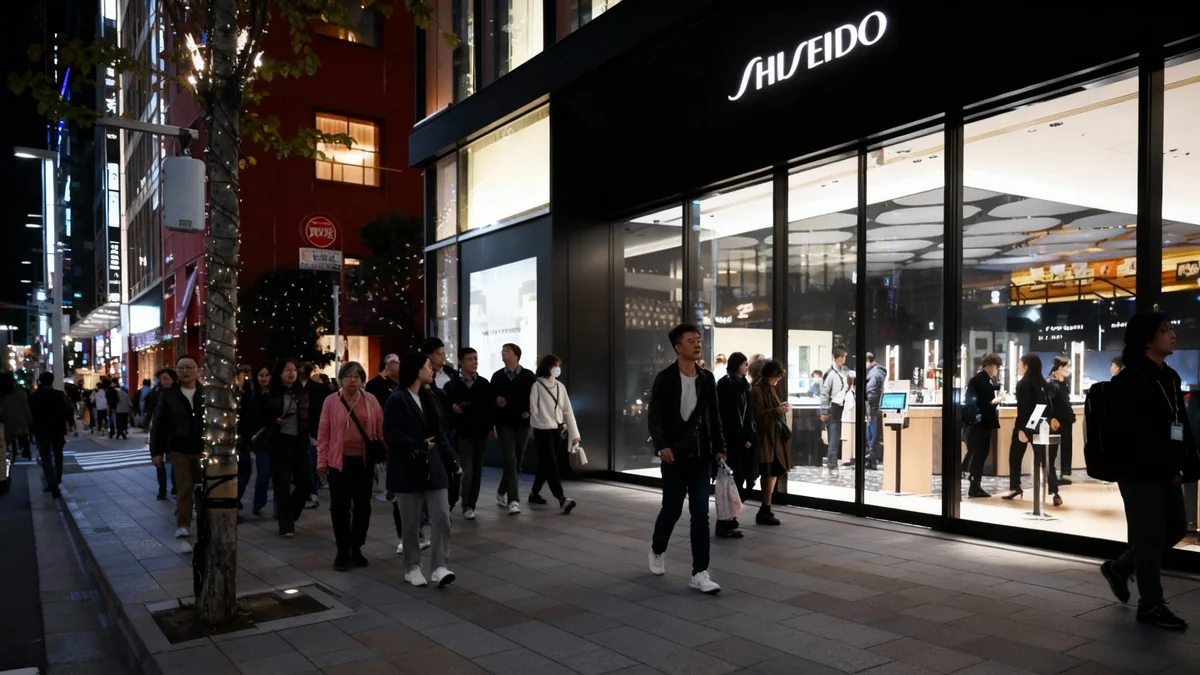
Japan's tourism sector and key consumer industries are experiencing significant challenges following a recent travel advisory issued by Beijing. This advisory, warning Chinese nationals about visiting Japan, has led to a noticeable decline in Chinese tour groups and has begun to impact Japanese companies heavily reliant on Chinese consumer spending.
The shift comes amidst renewed geopolitical tensions between the two nations. This situation is already creating ripples through Japan's economy, with beauty and luxury goods sectors feeling the immediate effects.
Key Takeaways
- Beijing issued a travel advisory against Japan, citing heightened risks.
- Japanese consumer stocks, especially beauty brands like Shiseido, have seen significant declines.
- Chinese visitors are the highest spenders among foreign tourists in Japan.
- Past diplomatic disputes show similar patterns of reduced Chinese tourism and economic impact.
- Major Chinese travel agencies have already canceled December group tours to Japan.
Geopolitical Tensions Drive Travel Advisory
The recent downturn began last week after Beijing issued a travel advisory. This guidance warned Chinese nationals about increased risks when traveling to Japan. The advisory followed remarks by Japanese Prime Minister Sanae Takaichi, who suggested that any military action around Taiwan could be considered a "survival-threatening situation" for Japan.
This diplomatic exchange quickly escalated into economic consequences. The travel advisory has directly affected inbound tourism from China, a crucial market for Japan.
"The once familiar sight of Chinese tour groups in Tokyo’s shopping districts risks becoming a thing of the past," according to market analysts. This shift could have long-term implications for Japan's economic recovery.
Impact on Japanese Consumer Stocks
Japanese consumer stocks have been among the hardest hit by these developments. The beauty sector, in particular, shows significant exposure to Chinese consumers.
Fact Check
- Shiseido's shares have fallen by almost a fifth.
- China and travel retail account for more than a third of Shiseido's global sales.
- Revenue from this segment was already shrinking earlier this year.
Shiseido, a major Japanese beauty group with a market capitalization of $5.6 billion, has seen its shares drop significantly. This underperformance stands in contrast to the broader market trends. The company's reliance on Chinese demand, both within China and through travel retail, makes it particularly vulnerable.
Companies with high exposure to Chinese consumers are now facing increased investor scrutiny. The market is showing concern that these diplomatic issues will directly translate into reduced sales and profits.
China's Role in Japan's Tourism Economy
Chinese visitors are an essential part of Japan's tourism economy. They represent the highest spending group among all foreign tourists.
- Chinese visitors account for over a quarter of all inbound consumption.
- China also makes up about one in every four visitors to Japan this year.
- This ratio has seen a significant surge in recent months, based on data from the Japan National Tourism Organization.
Tokyo has responded by sending a senior diplomat to Beijing. This move aims to stabilize relations and prevent further economic fallout. The stakes are high for Japan's economy, which has increasingly relied on Chinese demand as a key growth engine.
Historical Precedents of Economic Fallout
History offers a cautious perspective on the current situation. Previous diplomatic disputes between China and its neighbors have shown similar patterns of economic impact.
Past Incidents
In 2017, South Korea faced severe economic restrictions from China. This occurred after South Korea agreed to deploy the US Thaad missile system. China responded with sweeping restrictions and a ban on group tours to South Korea. Chinese arrivals collapsed, and share prices of Korean beauty groups like Amorepacific and LG Household & Health Care slumped. Amorepacific's stock fell nearly 70 percent from its peak.
A similar scenario unfolded in 2012. A dispute over islands known as Diaoyu in China and Senkaku in Japan led to a sharp decrease in Chinese visitor numbers. Within four months, Chinese tourist arrivals to Japan more than halved.
These historical examples highlight the potential severity of the current situation. The economic consequences of diplomatic tensions can be swift and substantial, especially for industries dependent on tourism and consumer spending.
Immediate Repercussions and Future Outlook
The effects of Beijing's travel advisory are already visible. At least two major state-owned Chinese travel agencies have reportedly canceled group itineraries for December. These cancellations include pre-booked flights and hotel stays, indicating immediate disruptions.
What started as a diplomatic exchange is now evolving into a serious threat to Japan’s economic recovery. The reliance on Chinese demand, once a major strength, now poses a significant risk. Investors are concerned that these hopes for growth may be rerouted, much like the canceled flights.
The coming months will show the full extent of this fallout. Companies in Japan are closely monitoring the situation as they adjust their strategies to a changing market landscape.